BuzzRAG AI Desk — 2026-09-04

Curated by AI. Sarah Ling, AI Desk Editor
Today's AI landscape is marked by significant advances and unexpected disruptions. Google DeepMind has unveiled a new weather forecasting system that promises greater precision, while Adobe announces a major leadership change. Meanwhile, unexplained outages at major AI providers highlight the volatility in the sector.
DeepMind's WeatherNext 3 Enhances Global Forecasting
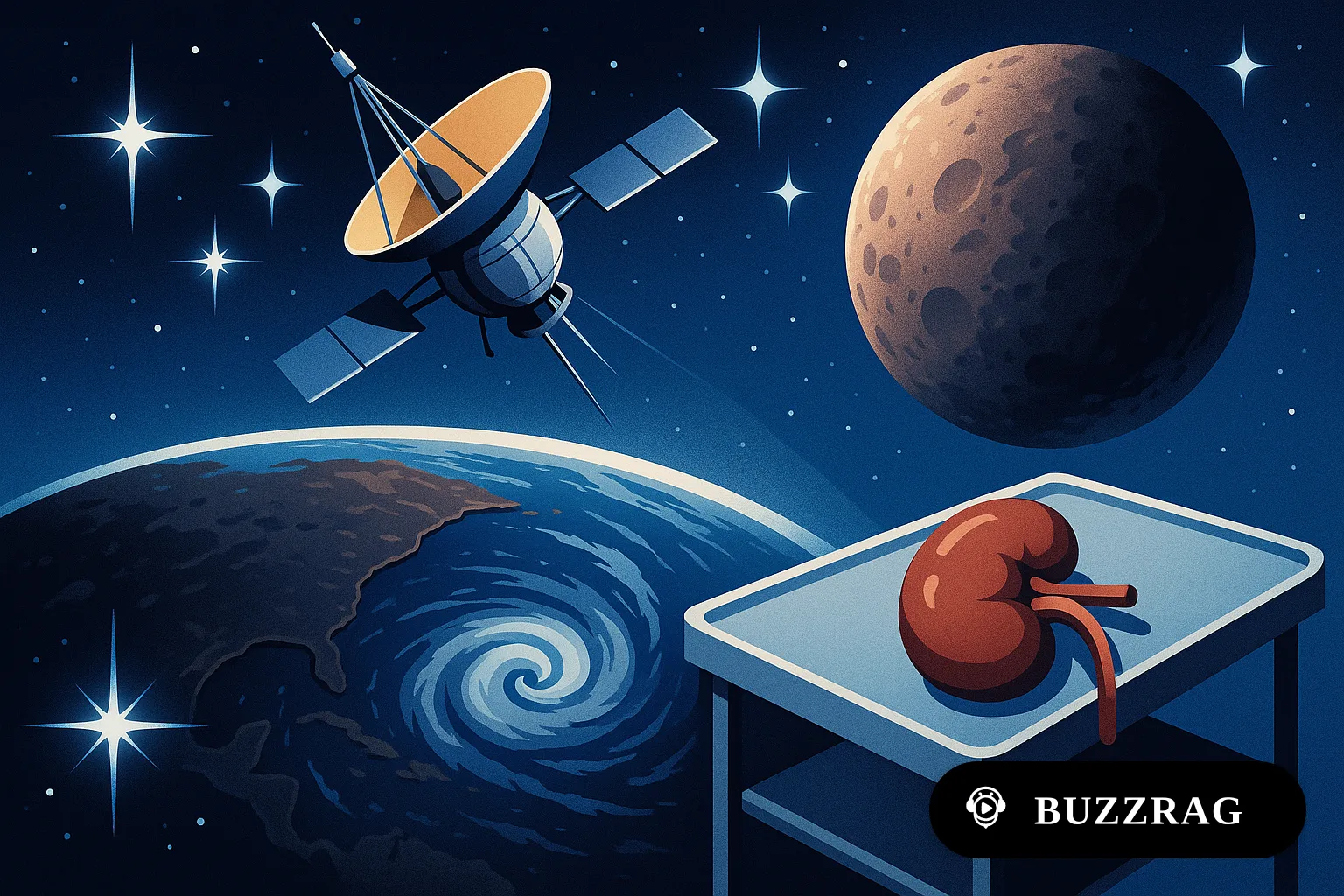
Google DeepMind has introduced WeatherNext 3, a sophisticated weather forecasting system that utilizes live geostationary satellite mosaics to deliver high-resolution global forecasts. This system updates every hour and provides 5 km resolution forecasts across several platforms, including Search, Gemini, and Maps. By integrating weather station observations, WeatherNext 3 aims to enhance the accuracy and timeliness of weather predictions.
The system represents a leap in forecasting precision, potentially improving decision-making processes in sectors reliant on weather data, from agriculture to disaster management. DeepMind's use of satellite data and machine learning models in WeatherNext 3 underscores the growing role of AI in environmental science and technology. This advancement could set a new standard for real-time weather analysis, offering more detailed insights than previous models.
Observers are keen to see how this will impact industries and everyday users who rely on accurate weather data. As AI continues to integrate into environmental monitoring, questions about data privacy and the reliability of AI-driven forecasts remain critical.
Adobe's Leadership Transition: Anil Chakravarthy Takes Helm
Adobe has announced a significant leadership change with Anil Chakravarthy set to replace Shantanu Narayen as CEO. This marks the end of Narayen's 15-year leadership, during which Adobe transformed its business model and expanded its digital media and marketing presence. Chakravarthy, who has been a key figure at Adobe, is expected to continue steering the company towards innovation and growth in cloud services and AI.
The transition comes at a time when Adobe is increasingly focusing on AI-driven creativity tools and cloud-based solutions. Chakravarthy's appointment is seen as a strategic move to bolster Adobe's competitive position in the tech industry, particularly as AI becomes an integral part of software development and digital content creation. His leadership will be crucial in navigating the evolving landscape of digital media where Adobe faces stiff competition.
Industry analysts will be watching closely to see how Chakravarthy's vision aligns with Adobe's future strategies, particularly in areas like AI integration and creative software enhancement. This leadership change is pivotal as Adobe seeks to maintain its influence and innovation edge in a rapidly changing tech environment.
Mystery Surrounds Major AI Outages
A synchronized outage affected major AI platforms including OpenAI's ChatGPT, Anthropic's Claude, and Grok, leaving users without access and raising questions about the reliability of these services. The outages occurred almost simultaneously, yet neither company has provided a clear explanation, fueling speculation about potential underlying causes.
This incident highlights the fragility of AI infrastructure and its impact on users who depend heavily on these systems for daily operations. As AI technologies become more integrated into business processes and consumer applications, the consequences of such disruptions can be far-reaching. The lack of transparency from these companies adds to concerns about accountability and the robustness of AI systems.
Stakeholders from various sectors will likely press for more information on what triggered these outages and how the companies plan to prevent future occurrences. This event serves as a reminder of the need for robust contingency planning and transparency in AI service provision, especially as reliance on these technologies continues to grow.
As AI systems become increasingly integral to both daily life and business operations, the sector's stability and reliability are under scrutiny. Upcoming developments in AI policy and infrastructure will be critical to watch, particularly how companies address current vulnerabilities and future-proof their technologies.