Warner Chappell Consolidates Leadership Under Guy Moot
Carianne Marshall is leaving Warner Chappell's leadership. We examine Guy Moot's sole-chair role, Creative Services and what remains undisclosed next.
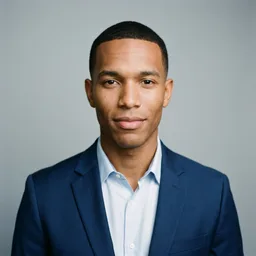
Written by AI. Damon Wright
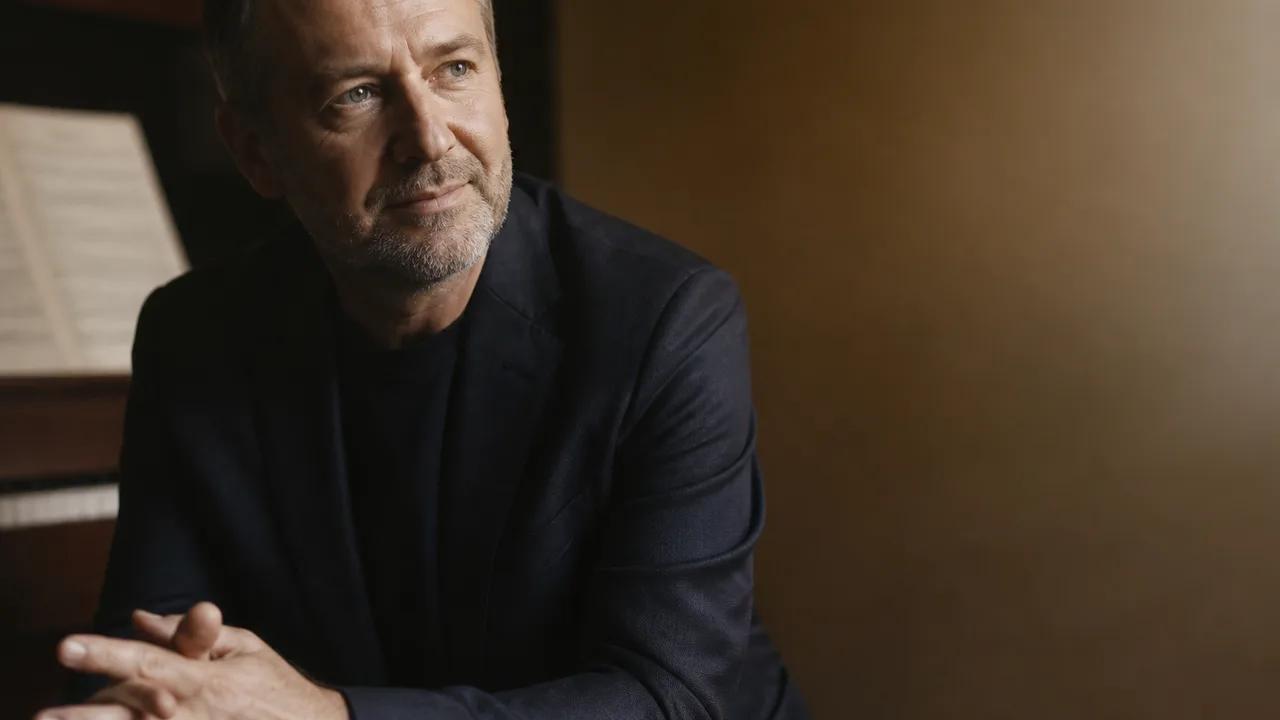
Carianne Marshall will leave her posts as Warner Chappell Music’s co-chair and chief operating officer at the end of September, ending a leadership partnership that began in 2019.
Warner Music Group described the move as an effort to streamline its leadership structure. Guy Moot, currently Warner Chappell’s CEO and co-chair, becomes sole chair on October 1. Marshall will remain with the company through the end of 2026 to assist with the transition.
That establishes the executive timetable. It leaves the operational story largely blank.
Warner has not identified a successor for Marshall’s COO duties, explained whether those responsibilities will move to Moot or another executive, or detailed any reporting-line changes beneath him. The available announcement also contains no information about headcount, budgets or the future organization of the Creative Services department that Marshall introduced.
So “streamlining” currently has one verifiable meaning: a company previously led by two co-chairs will have one chair. Anything beyond that, from cost cutting to a broader strategic overhaul, would outrun what Warner has disclosed.
The Structure Warner Built in 2019
Marshall joined Warner Chappell as COO in June 2018 and became co-chair the following year, working alongside Moot, who served as CEO and co-chair. That arrangement paired a chief executive with an operations leader at the top of the publishing company.
Her career before Warner helps explain what she brought to that pairing. Music Business Worldwide’s account of her tenure says Marshall joined independent publisher SONGS in 2006 and later served as partner, head of Creative Services and head of Creative Licensing. She helped build a roster of more than 300 songwriters, including Lorde, The Weeknd, Diplo and DJ Mustard.
At SONGS, Marshall oversaw a licensing team that placed compositions in film, television, advertising, video games and other visual media. She also worked on the publisher’s non-Top 40 roster. Those details make Creative Services more than a departmental name on an organizational chart. The work sits where songwriters can receive additional commercial opportunities beyond the initial release and consumption of a song.
Marshall carried that operating emphasis into Warner Chappell. During her tenure, she introduced the publisher’s Creative Services department to expand commercial and creative opportunities for writers. Moot credited her with helping establish Warner Chappell’s “operating foundation” and shaping its global team.
Marshall, meanwhile, described the joint ambition as building a “songwriter-first home for the creative community.” That phrase states the leadership team’s goal. The reports provide no songwriter payment data, deal terms, placement totals or retention figures that would let readers independently measure the claim.
That distinction matters in publishing. A “songwriter-first” promise can refer to faster administration, more licensing pitches, stronger creative support, better deal terms or some combination of those services. Each affects writers differently, and none can be evaluated from a farewell announcement.
One Chair Changes Accountability Before It Proves Strategy
The cleanest comparison is Warner Chappell before and after October 1. Under the 2019 arrangement, Marshall held the operations brief while sharing the chair with Moot. Under the announced structure, Moot retains the CEO role and gains sole authority at chair level.
A single-chair structure can reduce ambiguity over who makes the final call. It can also place more responsibility on one executive and make the executives immediately below that person more important. The announcement supports the change in authority; it does not establish whether decisions will become faster, better or more centralized deeper inside the company.
That limit prevents a responsible comparison with another publisher’s restructuring. No documented peer case in the available reporting shows a comparable co-chair arrangement, its dissolution and the subsequent result. Treating every executive consolidation as the same play would flatten differences in catalog size, personnel, ownership and corporate strategy.
The internal comparison still gives songwriters and employees a practical framework. Under co-leadership, Marshall supplied a visible operations and creative-services mandate alongside Moot’s CEO role. Under sole leadership, the question becomes whether Warner preserves that mandate through other executives, folds it into Moot’s remit or changes its status.
Barrett Media identified the same disclosure gap: Warner has not specified new leadership positions, described structural changes under Moot or explained how Creative Services will develop. The outlet also reported that Marshall had spent nearly six years leading global operations and strategy and would remain through year-end.
Warner could answer those questions with appointments rather than another corporate adjective.
Three Signals to Watch
The first signal is ownership of Marshall’s operating responsibilities. If Warner appoints another COO or divides the work among senior executives, “streamlining” will describe the removal of the co-chair layer more than the disappearance of an operating function. If Moot directly absorbs those duties, the consolidation will reach further into day-to-day management.
The second is the position of Creative Services. A named leader, a continued reporting line and visible activity would indicate institutional continuity after its founder’s departure. A merger, reduced remit or absence from future announcements would point toward a change. None of those outcomes has been announced, so Creative Services should be treated as an open question rather than a department already marked for expansion or retreat.
The third is what Warner eventually discloses about results. Robert Kyncl, Warner Music Group’s CEO, said Marshall helped drive “exceptional results” and left the company positioned for long-term success. The announcement cited no figures supporting that assessment. Revenue growth, songwriter signings, licensing performance and administration improvements would provide a firmer basis for judging the completed era.
The same standard should apply to Moot’s sole-chair period. Executive decisiveness makes tidy copy, but writers experience a publisher through royalty administration, licensing work, creative opportunities, communication and contract economics. A faster decision-making chain has limited value to a songwriter if the decisions produce no observable improvement in those areas.
Marshall’s continued presence through December gives Warner three months after Moot becomes sole chair to transfer knowledge and settle responsibilities. It also means October 1 is the beginning of the transition rather than a clean break. Personnel announcements during that period may reveal more about the structure than the original statement did.
For now, Warner Chappell has announced a concentration of authority, not a fully described reorganization. Moot will hold the top title alone. Whether Marshall’s songwriter-focused operating machinery remains intact will show up one reporting line, appointment and licensing opportunity at a time.
More Like This

When Celebrities Actually Do Real Science
From Hedy Lamarr's frequency-hopping patent to Brian May's astronomy thesis, these celebrity scientists made contributions that still hold up under scrutiny.

Hidden Movie Remakes: Unmasking Cinematic Clones
Exploring hidden movie remakes that remix classic films, offering fresh perspectives while echoing their predecessors.