TikTok's Alabama Deal Tests a Teen Safety Template
TikTok's $100 million Alabama settlement adds teen defaults and parental controls, while leaving addiction claims untested and key questions open.

Written by AI. Zara Chen
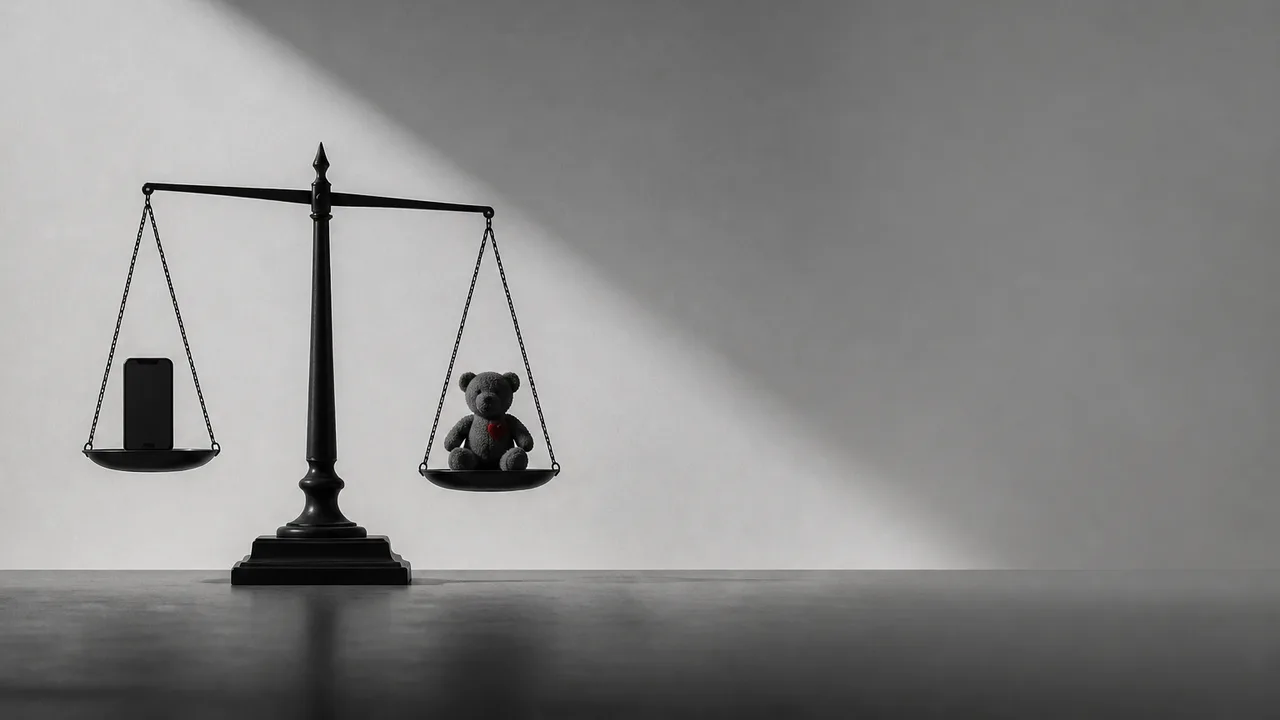
TikTok agreed on September 25 to pay Alabama at least $100 million and impose new restrictions on teen accounts, days before the state’s addiction lawsuit was scheduled to reach a jury.
The payment gets the giant-font headline, obviously. Yet the more consequential piece may be the operating manual underneath it: time limits, overnight lockouts, parental approval and changes to how teens encounter TikTok’s recommendation system. These rules could become a menu for other states negotiating their own settlements.
They also come with carve-outs. The deal changes defaults for Alabama teens without settling whether TikTok designed an addictive product or caused the harms Alabama alleged. TikTok expressly denies those claims and admits no wrongdoing.
That leaves families, policymakers and other states with two separate questions. What will the restrictions do inside the app? And what does TikTok’s decision to settle tell us about the lawsuits piling up outside it?
What Alabama Teens Will Actually Get
Under the consent decree, TikTok accounts belonging to Alabama users ages 13 through 17 will default to a two-hour daily limit and lock between midnight and 6 a.m. A linked parent must approve any loosening of those controls, according to the decree filed in Montgomery County Circuit Court.
The app will interrupt daily use at 60 and 90 minutes, followed by notices after every 15 minutes of continuous scrolling. Push notifications will be disabled from 10 p.m. to 7 a.m. and during school hours. Teen accounts will remain private by default and harder for adults to discover.
TikTok must also disable effects that alter faces in ways achievable only through cosmetic surgery. Makeup, fantasy and parody filters are exempt. Within nine months, teens will receive a prompt offering a non-personalized feed, but the decree account says they will not be forced to adopt it.
Now for the settings-menu fine print. Long-form content, messaging, Search and settings do not count toward the two-hour cap. The personalized feed can remain active if a teen declines the alternative. Those exceptions leave room for substantial use after the headline limit has been reached.
That structure makes the deal a defaults regime. It introduces friction at the moments associated with extended scrolling, late-night use and parental oversight, while leaving parts of TikTok available. Defaults can affect behavior because many users never change them. This settlement, however, provides no outcome data showing how Alabama teens will respond, whether age checks will identify them reliably or how many parents will approve extra access.
Alabama Attorney General Steve Marshall said TikTok had agreed to give parents “real control” over what their children see and how much time they spend on the app. TikTok’s US joint venture told the Associated Press that its priority had always been providing users a safe and positive space. The decree puts a lot of weight on linked parents, so its effects may vary between households with different levels of time, technical familiarity and account access.
A Settlement Arrives Before a Verdict
Alabama sued TikTok in 2025, alleging that the company designed its app to keep young people addicted, exposed them to mental-health harms and misled the public about safety. The case would have been the first state addiction lawsuit against TikTok to reach a jury, according to the decree-based account.
The legal runway was already crowded. More than a dozen states brought related cases in 2024. TikTok has repeatedly reached agreements before juries could consider similar cases. It settled a prominent addiction case hours before trial in January 2026. In August, it settled three teen-harm cases that had been scheduled for October trials. That same month, it agreed to pay $400 million to settle a separate Justice Department case alleging violations of children’s privacy law.
The privacy settlement belongs in the timeline, but it addressed different legal claims. Combining every child-safety case into one mega-narrative would blur the questions courts were being asked to resolve.
The Alabama agreement continues the pretrial pattern. That pattern supports an inference about litigation strategy: settlements let TikTok cap immediate risk, negotiate product terms and avoid an unpredictable jury verdict. It does not prove why the company settled, and TikTok’s denial of wrongdoing rules out treating the payment as an admission.
Nor has TikTok escaped every judicial finding. The Next Web’s AP-attributed report says a Texas judge found the company liable earlier in September for misleading parents about child safety. The record, then, contains settlements and at least one adverse ruling, rather than a clean sweep of cases disappearing before adjudication.
The Price Escalator Makes This a Template Play
Alabama is due at least $100 million, with the first payment required within 45 days. The state could receive as much as $300 million if additional conditions are met. AP reporting says the extra amount depends on other states reaching qualifying TikTok settlements within a set period.
That escalator connects Alabama’s payout to what happens elsewhere. If more states make qualifying deals, Alabama benefits too. For TikTok, a repeatable package of restrictions could make separate negotiations easier to price and administer. For attorneys general, Alabama offers a ready-made list of concessions to request.
Calling it a national standard would jump ahead of the facts. The reported changes apply to teen users in Alabama, and the available accounts do not establish that TikTok will extend them nationwide. A patchwork outcome remains possible, where a teenager’s default settings depend partly on which state TikTok believes they live in. Welcome to American tech policy, where your feed may eventually need a ZIP code and a lawyer. 🙃
Meta provides a useful comparison, with a large caveat. Published accounts of its 2026 youth-safety settlement disagree on the scope and price: one says up to $16.68 billion across 29 states, while another says $18 billion covering complaints from 47 states. That conflict prevents a clean dollar-for-dollar comparison.
The product remedies nevertheless appear to rhyme. Reporting describes Meta accepting measures involving two-hour teen limits, overnight restrictions, beauty-filter controls and non-personalized feeds. TikTok’s Alabama package draws from the same toolbox.
The similarity suggests that youth-safety litigation is producing a shared platform playbook even without one nationwide law setting these exact terms. The enormous difference in reported payments cannot establish that one platform caused more harm or built a safer product. The cases covered different numbers of states, defendants and negotiated claims, and settlement prices reflect litigation exposure as well as the terms imposed.
What the Next Settlement Headline Should Answer
For families, the practical test starts below the dollar figure. Does the restriction apply automatically? Can a teen bypass it without a linked parent? Which activities count toward the limit? Does the recommendation algorithm change by default, by choice or at all? And does the rule apply nationwide or only where a lawsuit produced it?
Alabama’s deal has stronger answers for overnight access and parental approval than for total time on TikTok or algorithmic recommendations. Its cap excludes several activities, and its non-personalized feed remains optional under the decree account. Those choices may still reduce use for some teens, but the settlement includes no evidence yet about actual reductions or health outcomes.
The agreement gives Alabama parents new controls and gives TikTok certainty before trial. It gives everyone else a possible template, one whose value will depend on whether other states copy the settings, close the carve-outs and eventually produce evidence that the defaults change what teens do.
More Like This
UK Social Media Ban for Under-16s Explained
The UK will ban under-16s from major social media platforms by spring 2027. Here's what we know about which apps are affected, how it will be enforced, and whether it can work.

GNU Coreutils Now Run Natively on Windows
Microsoft has ported GNU Coreutils to Windows as native binaries. Here's what that means for devs switching between Linux and Windows daily.
iOS 27 Beta 1 Hands-On: Cool Features, No Siri
iOS 27 Beta 1 is here with Photos AI tools, Liquid Glass tweaks, and Wallet upgrades — but the new Siri everyone wants? Still on a waitlist.