Navigating AI's Role in Ad Creation and Regulation
Exploring AI's impact on ad creation and the need for updated tech regulations.

Written by AI. Samira Barnes
Creating compelling advertisements has traditionally been the domain of well-funded production teams, equipped with actors, high-end cameras, and a fleet of creative professionals. In a recent tutorial by Content Creators, the narrative shifts dramatically with AI-driven tools promising to revolutionize this landscape by reducing costs and democratizing creativity.
AI's Revolutionary Promise in Advertising
The video claims that you can now create a $300,000 ad for less than $30, leveraging AI tools for scripting, character generation, and video editing. Such a claim, while bold, necessitates scrutiny. The underlying message is clear: AI's promise in advertising isn't just about cost-cutting; it democratizes creativity. But as we delve deeper, it becomes evident that this technological promise is fraught with both opportunities and regulatory challenges.
Unpacking the AI-Driven Process
The tutorial outlines a five-step process: scripting, character creation, storyboarding, video generation, and editing. For instance, scriptwriting is simplified using AI tools like ChatGPT, which can swiftly churn out engaging narratives. Yet, the video's claim of a company leaping from $5 million to $100 million in sales within a year remains unsubstantiated—a reminder of the necessity for credible sources when such significant transformations are touted.
For character creation, the video introduces tools such as Nano Banana Pro, accessed via Higsfield.ai. These tools allow creators to generate consistent character designs, a task traditionally reliant on casting and artistic direction. However, the capabilities of these tools, as well as the platform Higsfield.ai, are not verified by external sources, raising questions about their reliability and effectiveness.
Regulatory Implications and Challenges
As AI tools increasingly infiltrate creative domains, they challenge existing regulatory frameworks. The rapid evolution of AI capabilities in advertising brings to the fore questions about intellectual property rights, data privacy, and ethical considerations.
Consider the European Union's General Data Protection Regulation (GDPR), a robust framework for data protection. As AI tools like those described in the video generate data and content, regulatory bodies must evaluate whether existing laws sufficiently cover these new realities or if amendments are necessary to address AI-specific challenges.
The Global Context: Learning from International Approaches
On the international stage, regulatory approaches vary. The European Union's AI Act, for instance, proposes a risk-based framework to manage AI's potential harms, setting a precedent for balancing innovation with regulation. In contrast, the U.S. regulatory approach remains fragmented, often lagging behind technological advancements.
This disparity underscores the need for a cohesive strategy that not only safeguards digital rights but also fosters innovation. Policymakers must engage with technologists and industry stakeholders to craft regulations that address the unique challenges posed by AI in advertising and beyond.
A Call for Thoughtful Regulation
The tutorial's exploration of AI-driven ad creation opens a broader dialogue about the future intersection of technology and regulation. As AI tools become more entrenched in creative processes, the regulatory landscape must adapt to ensure these innovations do not compromise ethical standards or consumer rights.
Ultimately, the video's narrative serves as both a testament to AI's potential and a clarion call for thoughtful regulation. As we navigate this evolving terrain, it is imperative that we balance the excitement of technological advancement with the responsibility of safeguarding public interest.
More Like This
When Developer Tools Move Faster Than Compliance Frameworks
Quarkus evolved through 13 versions during one book's writing. What happens when frameworks innovate faster than organizations can regulate them?
Anthropic's Computer Control: What the Tech Actually Does
Anthropic's Claude can now control your entire computer through Dispatch. A look at how the permissions work, what it can do, and what it can't.
Workflows vs. Code: Navigating Tech Regulations
Explore how workflows in software development impact tech regulations and industry standards.
What YouTube's Algorithm Reveals About Platform Power
VidIQ's growth signals expose how YouTube's recommendation system shapes creator success—and the asymmetric power relationship at the heart of the platform.
Anthropic's API Shift: Impact on OpenCode Users
Anthropic limits Claude API to Claude Code, impacting OpenCode users. Explore the implications and future of AI coding tools.
Crafting Linux: Exploring Open-Source Empowerment
Building Linux distributions illustrates open-source power and security implications.

AI Chip Smuggling and the US-China Tech Divide
FT's Eleanor Olcott investigates the black market for Nvidia AI chips reaching China despite US export controls — and what it reveals about the tech race.
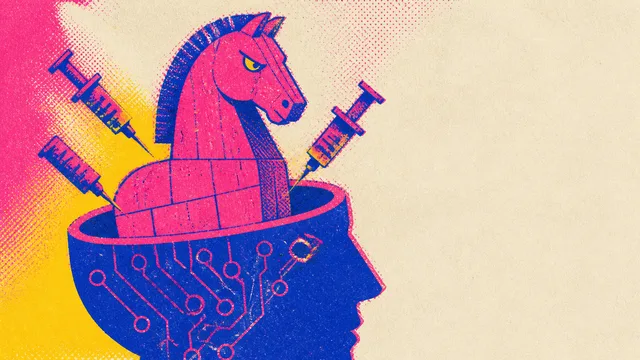
Promptware: When AI Agents Become Attack Vectors
Prompt injection attacks on AI agents follow a structured kill chain — and existing legal frameworks have almost nothing to say about who's liable when it works.