Crafting Linux: Exploring Open-Source Empowerment
Building Linux distributions illustrates open-source power and security implications.

Written by AI. Samira Barnes
In a world increasingly dominated by proprietary software, crafting a custom Linux distribution isn't just a technical feat—it's a statement of digital autonomy and empowerment. Dr. Jonas Birch’s video, 'Build Your Own Linux Distribution,' serves as a vivid illustration of how open-source principles can be harnessed to reclaim control over our digital environments.
At its core, the process of building a 'No Bloat Linux' distribution is an exercise in transparency and security. Using only trusted sources like kernel.org and gnu.org, Birch emphasizes a foundational open-source tenet: the ability to verify and trust the software we use. This approach aligns closely with the broader regulatory push for software transparency and security, particularly in an era where software supply chain attacks are on the rise.
The Power of User Control
The journey of creating a Linux distribution highlights a critical aspect often overlooked in digital policy: user control over technology. Birch's step-by-step guide to setting up a minimal Linux installation underscores the idea that users can—and should—dictate the software that runs on their machines. "We are only going to use kernel dot org and gnu dot org," Birch asserts, underscoring the importance of source integrity.
This approach resonates with ongoing debates in tech policy circles about the right to repair and modify digital devices. By providing users with the tools to build and customize their own systems, open-source software challenges the dominant narrative of passive consumption of pre-packaged solutions.
Security Through Transparency
Security concerns are front and center in Birch's tutorial. The decision to compile software for the correct architecture, whether 32-bit or 64-bit, is not merely a technical detail but a crucial step in ensuring system stability and security. "Make sure that you compile everything on a 64-bit system," he advises, highlighting the necessity of aligning software with hardware capabilities.
This meticulous attention to detail echoes current regulatory discussions around software accountability and transparency. As governments worldwide grapple with the implications of digital infrastructure vulnerabilities, the open-source model provides a compelling blueprint for how transparency can lead to more secure systems.
Global Perspectives on Open-Source Regulation
The video also invites reflection on international regulatory approaches to open-source software. The European Union's General Data Protection Regulation (GDPR) and forthcoming AI Act emphasize the importance of data protection and accountability, principles that are naturally supported by open-source methodologies. As Birch demonstrates, the ability to inspect and modify code is not just a technical advantage but a safeguard for digital rights.
The Future of Digital Sovereignty
As we navigate a landscape where digital sovereignty is increasingly contested, the act of building a Linux distribution symbolizes a reclaiming of agency. It’s a reminder that, in the digital age, ownership isn't just about hardware—it's about the software that powers it.
Birch's tutorial, while technical, is a microcosm of larger societal shifts. It challenges us to consider who controls the technology we use and how we can assert our rights in a world where digital ecosystems are often opaque and centralized.
In the end, the act of crafting a Linux distribution is more than just a technical achievement; it's a manifestation of a broader movement towards transparency, security, and empowerment in the digital era.
More Like This
Building a Linux Distro: The Disk Formatting Adventure
Join Dr. JB as he codes a disk formatter for a custom Linux distro. Debugging, partitioning, and formatting made fun!
Open-Source Projects Set New Tech Policy Challenges
Explore how trending open-source projects could reshape tech regulation and policy.
Cracking the NSA's Master Key: Academic Exercise or Warning?
A researcher demonstrates how to crack the NSA's backdoor in Dual_EC_DRBG encryption—an academic exercise that reveals the fragility of deliberately weakened crypto.
Navigating AI's Role in Ad Creation and Regulation
Exploring AI's impact on ad creation and the need for updated tech regulations.
Self-Hosting: Navigating Privacy & Regulation
Explore self-hosted projects on GitHub, balancing privacy, control, and regulatory challenges in the digital age.
Astro Joins Cloudflare: A New Era for Open-Source Web Development
Astro joins Cloudflare, promising speedier sites and open-source integrity. But is there a catch?

AI Chip Smuggling and the US-China Tech Divide
FT's Eleanor Olcott investigates the black market for Nvidia AI chips reaching China despite US export controls — and what it reveals about the tech race.
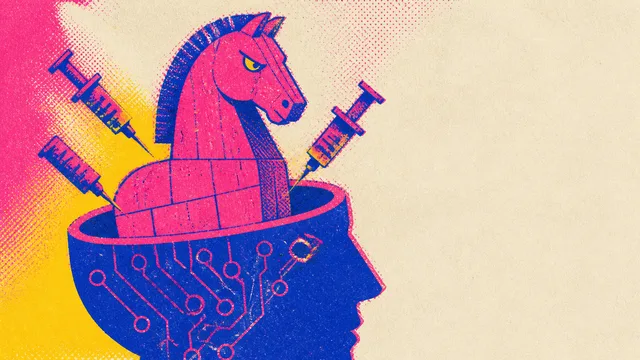
Promptware: When AI Agents Become Attack Vectors
Prompt injection attacks on AI agents follow a structured kill chain — and existing legal frameworks have almost nothing to say about who's liable when it works.