How Trauma Shapes the Way We Love and Receive Love
Trauma doesn't just affect the past—it rewires how we connect with others. Here's what the psychology of love after trauma actually looks like.

Written by AI. Samir Patel
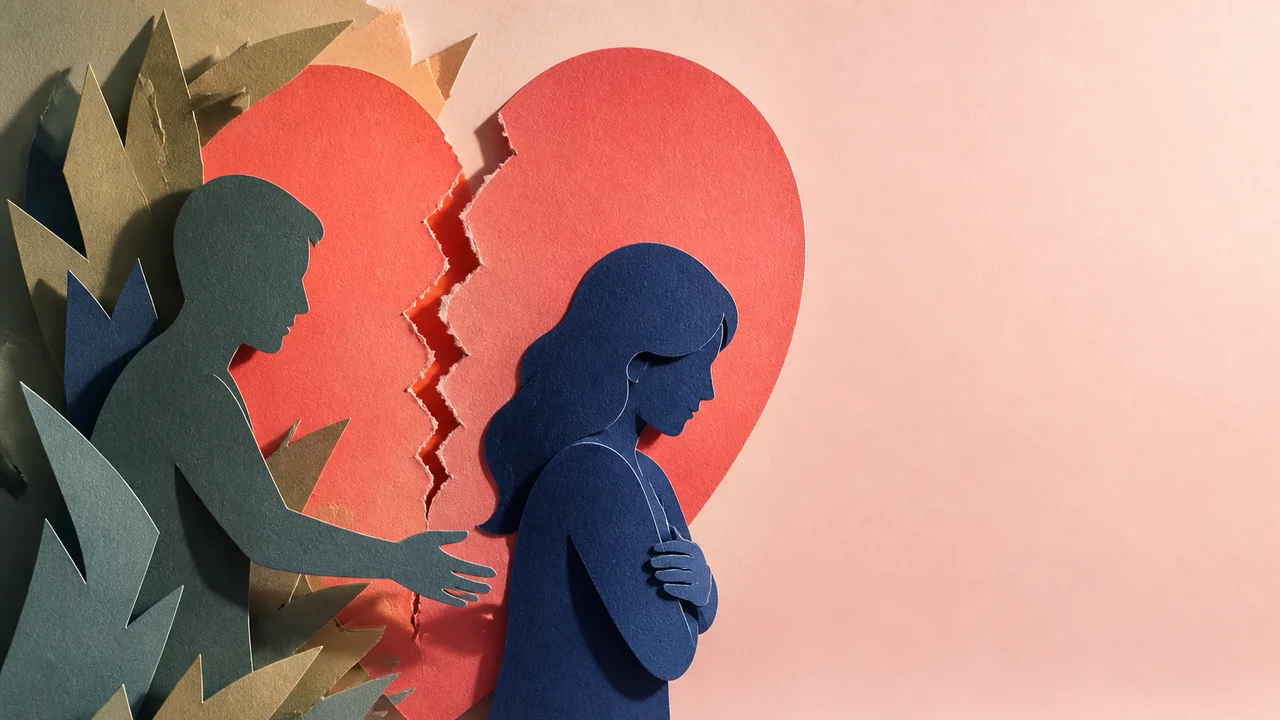
Photo: AI. Lila Bencher
There's a particular kind of loneliness that doesn't come from being alone. It comes from being close to someone—someone kind, consistent, even patient—and still not being able to let them in. You want to. Part of you is desperate to. And another part of you is already calculating the exit.
This is the experience that Psych2Go's recent video, The Unspoken Rules of Loving Others (As a Trauma Survivor), tries to put language to. And it's worth sitting with, because the video is doing something that a lot of mental health content doesn't bother to do: it's talking to the person with trauma, not just about them.
The channel's previous video addressed how to love someone with a difficult past. The comment sections apparently lit up with a different question—not "how do I love them better?" but "how do I stop pushing people away when I'm the one who's been hurt?" That pivot matters. It's the difference between treating trauma as someone else's problem to manage and acknowledging that many of us are both the person who needs support and the person trying to figure out how to give it.
When safety feels like a trap
The video's first and probably most clinically grounded point is about hypervigilance—what happens when your nervous system has spent years in threat-detection mode and then suddenly encounters something safe. According to the DSM-5-TR (American Psychiatric Association, 2022), hypervigilance is a recognized symptom of post-traumatic stress, characterized by a state of heightened alertness and sensitivity to potential danger, even in objectively low-threat environments.
The video describes it this way: "After experiencing emotional pain, your nervous system learns something important. Stay alert. So when things start to feel close, safe, or even good, your body sometimes reacts the only way it knows how, by creating distance."
That framing—the nervous system reacting not to actual danger but to the absence of familiar danger—maps onto what researchers like Bessel van der Kolk have described in the trauma literature. In The Body Keeps the Score (2014), van der Kolk documents how trauma reorganizes the brain in ways that make safety feel threatening, because the nervous system has been trained to treat calm as the moment before something goes wrong. The Psych2Go video doesn't cite this directly, but the underlying idea is consistent with that body of work.
What I find useful about how the video frames it is the reframe it offers: instead of "why am I like this?" it suggests asking "what part of me is trying to feel safe right now?" That's not a cure. It's not even a coping strategy, exactly. It's more like a compassion prompt—a way of not adding self-condemnation to an already difficult moment.
The unfamiliarity of being loved well
One of the more counterintuitive points the video makes is that consistent, genuine care can feel actively destabilizing. As the video puts it: "Kindness can feel suspicious. Consistency can feel confusing. Affection can feel overwhelming. Because when love hasn't always been safe, your brain doesn't recognize it as something to relax into. It recognizes it as something to question."
This connects directly to attachment theory, originally developed by John Bowlby and later extended by researchers like Mario Mikulincer and Phillip Shaver. Their work—particularly in Attachment in Adulthood (2016)—documents how early relational experiences create internal working models that shape how we expect relationships to unfold. When those early experiences were inconsistent, frightening, or absent, the template for "love" gets built around unpredictability. Steady, reliable affection from a partner doesn't just feel new—it can feel like a category error.
The video's analogy here is simple but effective: it compares receiving love after trauma to breaking in a new piece of clothing that fits but doesn't yet feel like yours. A little stiff, a little strange. Not wrong, just unfamiliar. Over time, it softens.
That's a gentle image, and I don't want to oversell it. For people with more severe or complex trauma histories—particularly those who experienced childhood abuse or neglect—the process of internalizing the reality of safe love is rarely just about giving it time. Judith Herman's Trauma and Recovery (2022) and Cloitre, Cohen, and Koenen's work on treating survivors of childhood abuse both suggest that this kind of relational rewiring often happens most effectively within a therapeutic relationship, with a trained clinician, not just through waiting and hoping a partnership holds.
That's not a knock on the video—it's eight minutes on YouTube, not a treatment protocol. But it's a tension worth naming.
Testing versus telling
The video's treatment of what it calls "testing" behavior is where things get most practically useful. Many trauma survivors engage in what attachment researchers would call protest behaviors or proximity-testing: pulling away to see if someone notices, going quiet to see if someone reaches out, creating situations that function as implicit loyalty tests. The person doing it usually isn't consciously aware of the strategy. They're not being manipulative—they're being afraid.
The video puts it plainly: "Tests don't build trust. They create confusion because the other person doesn't see your fear. They just feel the distance."
That's accurate, and it matters. Relational testing is one of those patterns that tends to confirm the fear it's designed to investigate. If someone pulls away and their partner—confused, hurt, or just tired—doesn't respond the way the test requires, it reads as abandonment. The wound deepens. The next test gets higher stakes.
The alternative the video proposes—naming what's happening, even partially, even uncertainly—is consistent with what emotionally focused therapy (EFT) practitioners describe as making attachment needs explicit rather than expressing them through behavioral demands. "I think I'm pulling away right now and I don't fully understand why" is a vulnerable sentence to say. It's also considerably less damaging than designing a situation that your partner doesn't know they're supposed to pass.
What this video does and doesn't do
Psych2Go has built a substantial audience—millions of subscribers—by translating psychological research into accessible, emotionally warm content. The references in this video's description are real and credible: the DSM-5-TR, Bowlby, Mikulincer and Shaver, van der Kolk, Herman, Cloitre. The video doesn't go deep into any of them, but it doesn't misrepresent them either.
What the video does exceptionally well is hold space for the reader who is simultaneously struggling and trying. Its closing is worth quoting in full: "Loving others as a trauma survivor isn't about doing everything perfectly. It's about learning slowly how to feel safe in something that once didn't."
What it doesn't fully reckon with—and this is worth saying directly—is the structural reality of who can access help. The video, at its end, recommends reaching out to a licensed mental health professional. That's the right recommendation. It's also, for a significant portion of the people watching, a recommendation that runs straight into a wall: therapists who take insurance are scarce, waitlists are long, and out-of-pocket therapy in most of the United States runs $100–$300 a session. The research on trauma-informed care is robust. The access to it is not equally distributed.
That gap—between what we know helps and what people can actually get—is the part that a YouTube video, however thoughtful, can't close.
The Psych2Go video is genuinely useful. It names real patterns, draws on real clinical literature, and speaks to a population that often feels more ashamed of their relational struggles than curious about them. Shifting from shame to curiosity is, in itself, valuable work.
But if the patterns it describes feel familiar—if you recognize the pull away, the testing, the way good love feels wrong—the question worth sitting with isn't just why do I do this? It's what kind of support would actually help me, and is that support something I can realistically reach?
Those are different questions. Both deserve an answer.
If you're struggling with trauma-related symptoms, the SAMHSA National Helpline (1-800-662-4357) offers free, confidential support 24/7, and can help connect you to local treatment resources regardless of your insurance status.
More Like This
The Emotional Resonance of Sound: Teresina's Journey
Explore how Teresina Kerubo uses sound to navigate love and grief, finding peace through recorded memories.

Small Behaviors That Build Genuine Respect
A YouTube channel breaks down 7 micro-habits for earning respect. The science is real—but the framing raises questions worth sitting with.
The Psychology Behind Habits Linked to High Intelligence
Talking to yourself, craving solitude, obsessing over random topics—psychology research suggests these "weird" habits may signal a sharp, curious mind.
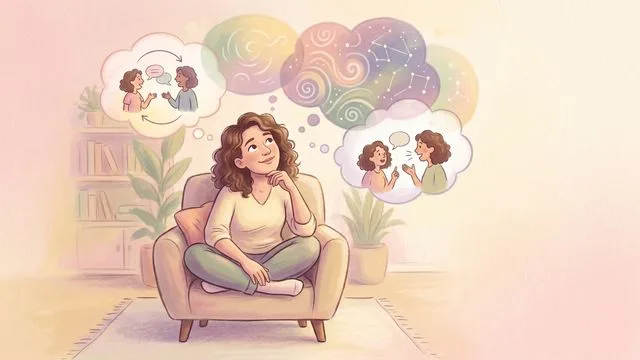
Your Weird Habits Are "Genius"—Or Are They?
Psych2Go says replaying conversations and laughing alone proves you're highly intelligent. The science says: it's more complicated than that.
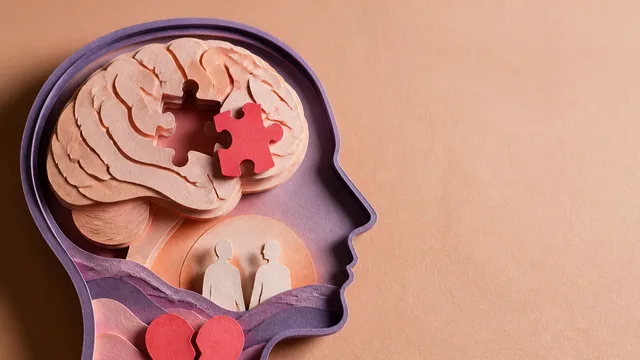
What Huberman Gets Right About the Grief in Your Body
Huberman's grief episode has real neuroscience in it. It also has a protocol called "rational grieving." Both things are true and worth sitting with.
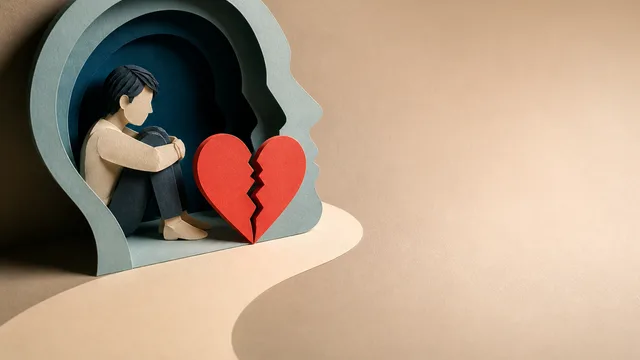
The Psychology Behind Avoidant Lovers, Explained
Alain de Botton's viral School of Life video on avoidant attachment is everywhere on TikTok. Here's what it gets right — and what it leaves out.

Why You Keep Second-Guessing Decisions You've Already Made
The psychology of post-decision doubt—what research says about indecision, counterfactual thinking, and how to actually close a choice.
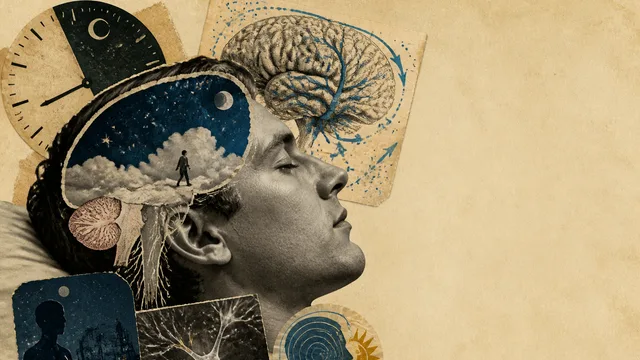
Matt Walker on Sleep Science, Dreams, and Mental Health
Sleep researcher Matt Walker joins StarTalk to explain what dreaming actually does, how the brain cleans itself at night, and why sleep is the foundation of mental health.