ChatGPT Wallet Puts AI Agents at the Checkout Counter
ChatGPT Wallet lets AI agents shop while users approve each purchase. Its payment tokens protect card details, but merchants and shoppers still control the sale.

Written by AI. Yuki Okonkwo
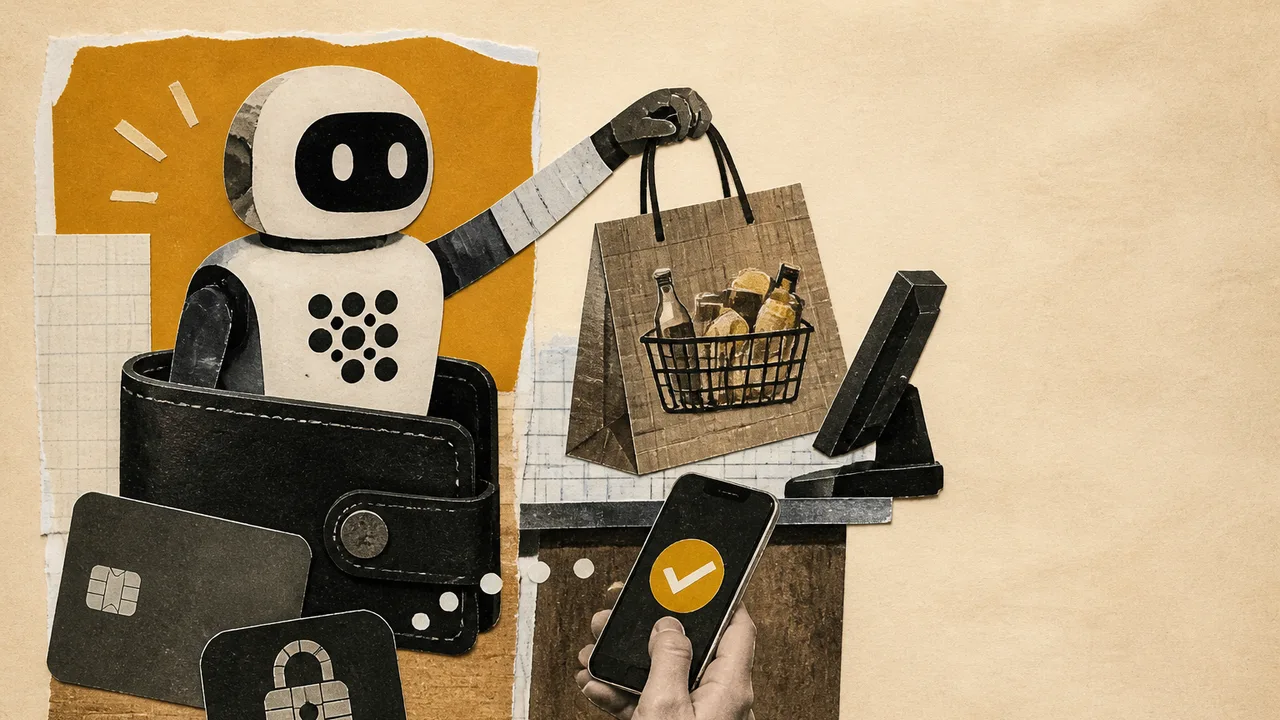
OpenAI launched ChatGPT Wallet on Friday, giving its dots AI agents a way to complete purchases after a person approves them. The feature asks: how much of a purchase can you hand to software before you want to inspect its cart?
The initial rollout is narrow. Wallet is starting with US ChatGPT Pro subscribers aged 18 and older; eligible users also need a US-issued card. OpenAI built the feature with American Express, Mastercard and Visa. That limited opening gives the company a chance to learn how its system behaves, but it says little yet about how many people will use it, how often purchases will succeed or which merchants will welcome an agent at checkout.
A user saves a card once, then asks a dot to find something to buy. Before each purchase, the person reviews the items, total and selected card, then approves the transaction with a security check such as Face ID or a fingerprint scan. The approval creates a record of what the person authorized. The dot can do the shopping work; at launch, the human still has to press the button.
After approval, the payment network generates a token for that transaction. Think of it as a stand-in credential with its own card number, security code and expiration date. OpenAI says the agent and merchant do not see the underlying card details. The token lets the agent submit a payment without giving it the original card number, while the approval check determines whether that proposed purchase can proceed. Those are two different jobs, and Wallet needs both.
The Card Number is Only One Piece of the Puzzle
Tokenized payments already have a familiar cousin. Digital wallets such as Apple Wallet and Google Wallet also use tokenization, and using a saved card can preserve its existing rewards and protections. ChatGPT Wallet similarly promises that cardholders retain those benefits. That comparison helps explain the payment layer: replacing a card number during a transaction is an established idea. It does not establish that these products have identical security designs or approval controls.
Wallet adds an agent upstream of the payment. In an ordinary wallet transaction, you generally arrive at checkout having chosen what to buy. With a dot, your request can start earlier: find an item that fits what I want, then bring me a purchase to approve. That shifts some product selection and checkout preparation from the shopper to a system interpreting the shopper’s instructions. A token can limit exposure of card credentials; it cannot tell whether the shoes in the cart are the right size.
The review screen is therefore doing more than asking, “Is this your card?” It is where a person can catch a wrong item, an unexpected quantity or a total they dislike before authorizing payment. A fingerprint check confirms an approval step in the reported flow. On its own, it does not judge whether the agent understood the request. That is an inference from how the controls divide the work, not a measured failure rate for Wallet.
This design has a clear appeal. If the dot finds a useful product and assembles the right cart, the shopper could skip repetitive searching and payment entry while keeping a final say over each purchase. The cost is attention at the last step: anyone using the feature still needs to examine what the agent put forward. “Approve” is a short button label for a fairly long responsibility.
OpenAI Has Tried to Shorten Checkout Before
Wallet follows several changes to shopping in ChatGPT. OpenAI introduced Instant Checkout in autumn 2025, then quickly pivoted away from it. By March 2026, it had rolled out a redesigned shopping experience aimed at helping users find and compare products. The company introduced dots later that year. Wallet now connects an agent’s product-finding work to a payment method it can use after approval.
That sequence explains why this launch goes beyond adding another place to store a card. Product discovery asks whether ChatGPT can surface something a shopper wants. Checkout asks whether a selected item, a merchant’s site and a payment can all line up. Moving between those jobs creates more opportunities for a useful handoff, and more places for a purchase to stall. OpenAI’s earlier pivot is a reminder that a smooth product demo and a routine shopping habit are different things.
The company says it is not taking a cut of Wallet purchases at launch. Its immediate work includes building relationships with merchants and payment networks. For a shopper, that means the experience depends on more than the dot finding an attractive listing: the seller’s systems still have to accept and fulfill the order.
Merchants retain control over pricing, delivery, returns and customer service. They also decide how their sites handle automated shoppers. United Airlines said this week it would block agents from accessing its systems to book tickets, while Amazon prevents agents from purchasing products on its platform. Those are examples of limits at two companies, not a verdict from every retailer. OpenAI has issued guidance to help merchants avoid inadvertently blocking its agents, and legitimate agent purchases can also run into fraud checks that cause declines or cancellations.
Picture the handoff as a relay with three runners. The agent finds and prepares the purchase; the person checks and authorizes it; the merchant processes the sale and handles what happens after checkout. The token helps at the payment handoff, but it cannot make a merchant allow agent traffic or fix a delivery problem. Each participant controls a different part of the trip.
OpenAI has described a possible later version in which people set spending limits, categories or time periods and pre-approve purchases for an agent to make. That would move the human decision earlier, from inspecting each cart to defining the boundaries within which carts can be bought. It is a plan, not a feature of this launch. The tougher question would then be whether those boundaries capture what someone actually meant by “buy the right one.”
For now, Wallet’s proposition is deliberately smaller: let the agent do more of the shopping, keep a person at the final approval, and shield the original card details during payment. If you try it, the item and total on that approval screen deserve at least as much attention as the fingerprint prompt. The card number has a stand-in; your judgment doesn’t.
More Like This
Personal Agent Protocol Proposes Rules for AI Access
Meta and Sierra propose a way for AI agents to access businesses with clearer permissions. Detailed action limits and payments remain on the roadmap for now.

Amazon’s Muse Block Makes AI Shopping a Contract Fight
Amazon’s block on Meta’s Muse exposes a contract fight over AI shopping, merchant consent, user agency, account security and control of online commerce.

United Bars AI Travel Agents From Booking Its Flights
United won't let personal AI agents book flights. Its policy raises questions about privacy, traveler consent and who controls airline ticket transactions.
Banks Face a New Security Test as AI Agents Access Accounts
US banks are reportedly blocking unvetted AI agents in customer accounts. The dispute over consent, control and transaction limits could shape safer banking tools.
OpenAI's Reported ChatGPT Wallet Puts Agents at Checkout
OpenAI's reported ChatGPT Wallet would let AI agents shop with cards. Purchase approvals, refunds, fraud and responsibility will determine how useful it is.

Amazon's World Product Graph Plan Targets Shopping Search
Amazon is exploring a World Product Graph covering items beyond its store. The plan could change product search, merchant visibility and how AI shopping tools work.

AI Agents Need Live Web Data, Not Bigger Models
LLMs freeze at training cutoff while the world keeps moving. Here's why real-time web data infrastructure matters more than model size for reliable AI.

NVIDIA's $96B Quarter and the AI Circular Economy
NVIDIA hit $96.2B in a single quarter. But who's actually paying for all this compute, and what happens if the loop closes too tight?