Airbnb's New Checkout Rules Limit Chores, Not Fees
Airbnb's November checkout rules limit cleaning requests but leave cleaning fees intact. Here's what guests may still be asked to do and how to compare stays.

Written by AI. Tomas Reyes-Kim
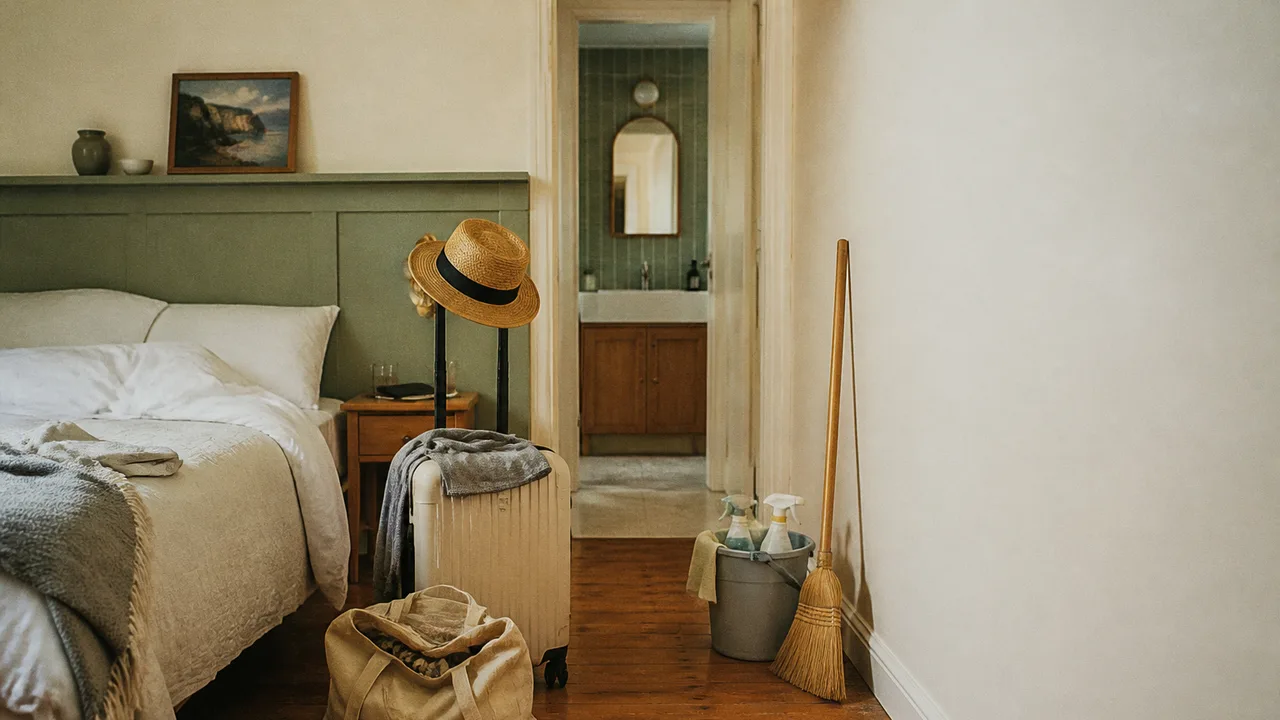
Airbnb will generally stop hosts from asking guests to strip beds, wash and put away dishes, or take garbage off-site under a new house-rules policy. The rule applies to reservations booked on or after November 20, 2026, rather than every stay taking place after that date. If your departure morning falls in November, the date you made the reservation is the detail to check.
The policy draws a line you can use while reading a listing: putting used dishes in the sink is an acceptable request; washing and putting them away generally isn't. Gathering used towels is okay; stripping the bed or starting laundry generally isn't. Separating trash and recycling into indoor bins is okay; taking garbage off-site generally isn't. Those examples come from Airbnb's instructions to hosts. You can still be asked to lock up at checkout, including returning keys as instructed.
Airbnb also allows exceptions based on the property and local conditions. It gives the examples of putting trash in an animal-proof container in bear country and limiting shower time during local drought-related restrictions. So a request involving trash isn't automatically forbidden because it mentions an outdoor container. The property and the reason for the request count.
A cleaning fee can still appear on the bill. Airbnb is changing the work a host may ask a guest to do, while hosts can still set a once-per-stay cleaning fee. That pairing explains why the announcement can feel bigger than its immediate effect on your wallet: it may change the checkout list without changing the price of the reservation.
Two Problems, Two Different Fixes
Airbnb has been adjusting what guests see before they pay for years. In November 2022, it added a search-results toggle showing a total that included cleaning and service fees but excluded taxes. In April 2025, it moved to showing that fee-inclusive total up front across listings worldwide, still excluding taxes. Those changes addressed an obvious budget problem: a low nightly figure could look attractive until the fees arrived.
The 2026 rule deals with another cost of a stay: your time. Seeing the cleaning charge before booking tells you what the rental costs. Seeing reasonable checkout requests before booking tells you what the host expects you to do. A price display cannot answer whether you'll be loading a dishwasher on the way to the airport. A chore rule cannot tell you whether the rental fits your budget. Taken together, the changes make two different parts of the deal easier to inspect; neither makes the other unnecessary.
Airbnb has moved house rules and requests into one area of the listing editor instead of keeping checkout instructions in a separate tab. It says guests can see them more prominently on listings, in their Trips tab and in reservation reminders. Hosts should put their rules and requests in the designated listing section, rather than add new ones in messages or signs inside the home. That gives a traveler a practical question to ask before paying: what does this listing say I'll need to do when I leave?
The wording deserves attention. Airbnb says guests must follow house rules and are encouraged to comply with requests. A host can choose from seven standard categories of rules, including locking up at checkout, and add reasonable requests for the stay. The chore examples describe what guests generally should not be asked to do, rather than granting permission to ignore every other checkout instruction. If an expectation looks out of place, check whether it's in the listing's house-rules-and-requests section and whether it resembles Airbnb's examples of a reasonable request.
The Fee is Still in the Room
Hosts set their own cleaning fees, which are charged once per stay rather than per night. That setup makes trip length unusually important. A weekend guest bears the full fee over a short stay; someone booking longer spreads the same charge across more nights. You don't need a spreadsheet with seventeen tabs to see why two listings can swap places in your budget ranking when you change the dates.
Use your actual dates and guest count, then compare the full payable totals for the listings you're considering. Open the price breakdown too: the host-set cleaning fee and Airbnb's service fee are separate charges. The checkout policy gives you a second comparison to make alongside the bill. A place with a good total and a modest request to gather towels may suit you differently from one with an unclear departure list, even if the prices match.
Hosts have a practical concern here. Turnover work still has to happen between bookings. René, a Berlin host, raised the prospect of dishes left with food on them attracting pests after a long stay; a San Francisco host named Adam said he expected to raise his cleaning fee by 30 to 50%, in comments reported by CNET. Those are individual reactions and a prediction, not a measured increase in cleaning costs. Airbnb's approach leaves hosts able to request light tidying and seek exceptions for local conditions, while drawing a general boundary around tasks it considers cleaner's work.
The boundary may also take some sorting out in practice. Airbnb says it will flag requests that don't follow the policy in the listing editor, notify hosts and let them appeal. Guests may see an alert on a listing if an issue goes unresolved. For travelers, a rule written on a refrigerator after arrival could still create an awkward conversation, even though Airbnb tells hosts not to add rules on signs. Keeping the listing's stated requests handy gives you something concrete to refer to.
Why a Hotel Comparison Only Gets You Halfway
A hotel and an Airbnb rental both sell you a place to sleep, but their service setups often differ. Airbnb stays commonly involve self-check-in and a host reached by message; hotels generally have a front desk, staff on-site and housekeeping during the stay. A rental may instead give a group a kitchen or several bedrooms. Those differences can change which option works for your trip, even when the displayed lodging totals look similar.
The useful comparison is who handles the work and when. Hotel housekeeping is part of a staffed service model. In a rental, guests can still be asked to handle small departure tasks, while the new Airbnb policy generally assigns bed stripping, dishwashing and off-site garbage removal outside the guest's checkout requests. It gives you a more precise question than 'Which one is cheaper?': what am I paying, what space am I getting, and what will I need to do before I hand back the key?
For a reservation booked from November 20 onward, check the cleaning fee and the checkout requests before you commit. The new rule should narrow the latter. The former still comes down to the listing you choose.
More Like This

Cruise Travel Insurance: What It Covers and What It Doesn't
Before you click "add insurance" at cruise checkout, here's what cruise travel insurance actually covers—and where it quietly leaves you exposed.

Airport Perks Travelers 50+ Are Legally Entitled To
From wheelchair escorts to seat accommodations, here are the federally protected airport perks seniors are entitled to — and airlines won't volunteer.