BuzzRAG Travel Desk — 2026-06-27

Curated by AI. Mariel Fontaine, Travel Desk Editor
On today's travel desk, we explore the revival of a Canadian rail service and the technological arms race in ticket sales. These stories reflect evolving infrastructure and the challenges of accessibility in modern travel.
Northlander Train Revives Long-Distance Travel in Ontario
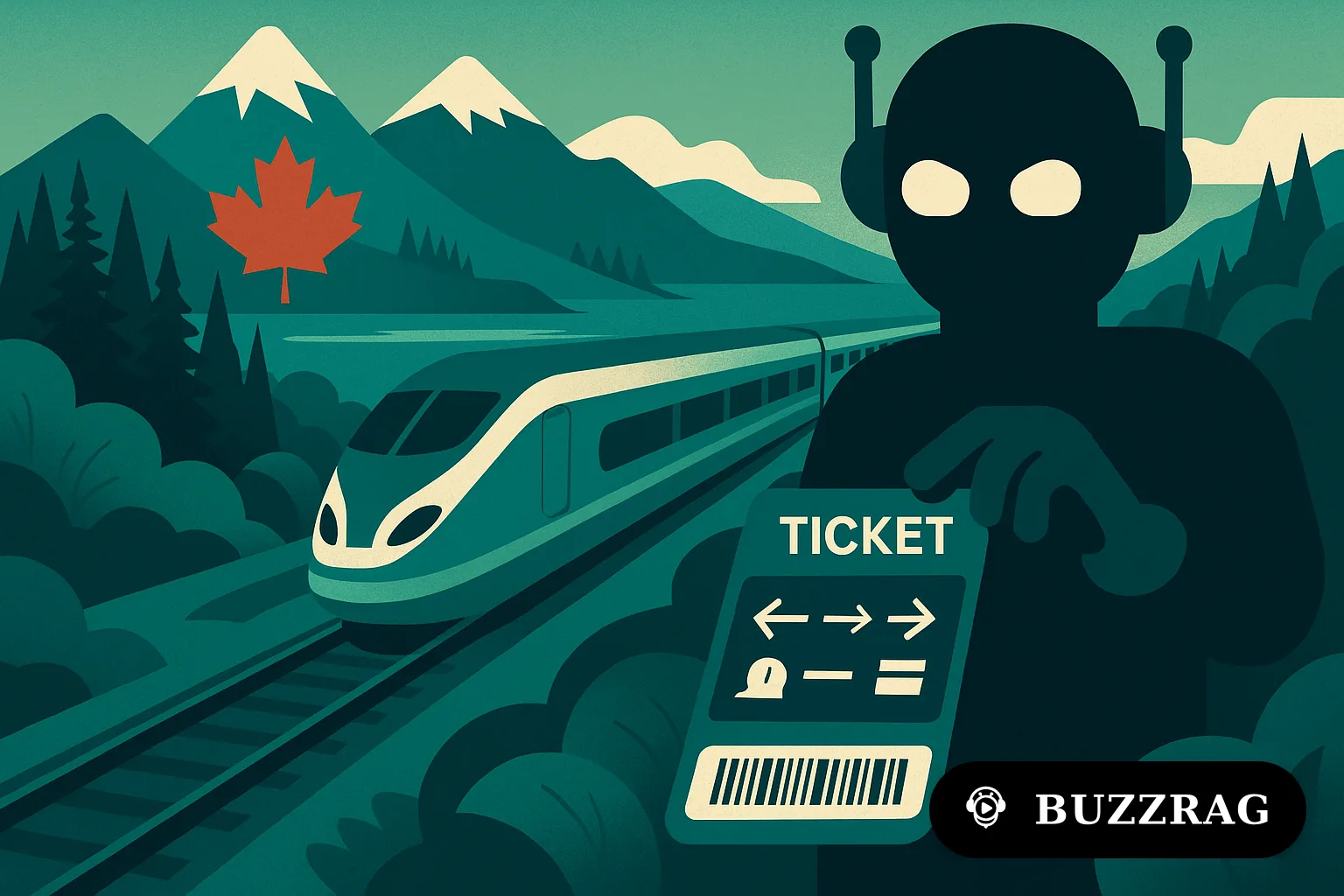
The Northlander, a long-distance passenger train service, is set to make a comeback in Ontario later this year. This service, which connects Toronto to Northern Ontario, has been absent for 14 years. The return is facilitated by the acquisition of three new trainsets and significant investments in infrastructure, reflecting a broader commitment to enhancing regional connectivity.
The Northlander's revival is part of a larger trend to improve public transportation options in Canada, particularly in regions that have been underserved. This move is expected to boost local economies by increasing tourism and providing more reliable transportation for residents. The reintroduction of the service is also aligned with environmental goals, as rail travel is generally more sustainable compared to road or air travel.
Local communities and stakeholders have expressed optimism about the Northlander's return, seeing it as a step towards revitalizing the region's accessibility and economic potential. As the service prepares to launch, it will be crucial to monitor how it meets the modern demands of passengers and integrates with other transportation networks.
Inside the GE9X Engine: Powering the Boeing 777X
The GE9X engine is the only powerplant capable of supporting the Boeing 777X, a testament to its advanced engineering. The engine's development represents a significant leap in aviation technology, designed to meet the demands of one of the largest commercial aircraft in the world.
The GE9X is noted for its fuel efficiency and reduced emissions, a critical factor as the aviation industry faces increasing pressure to minimize its environmental footprint. The engine also features cutting-edge materials and aerodynamics, which contribute to its performance and durability. This innovation is crucial for airlines looking to improve operational efficiency and lower costs.
As airlines begin integrating the Boeing 777X into their fleets, the GE9X engine's performance will be closely watched. Its success could influence future aircraft designs and the development of more sustainable aviation technologies. The engine's role underscores the continued evolution of aircraft engineering in response to global environmental and economic challenges.
Battle Against Ticket Bots Intensifies
The struggle against ticket scalping has taken a new turn as automated bots increasingly dominate ticket sales. From concerts to train rides, these bots snap up tickets in seconds, often leaving human customers frustrated and unable to purchase tickets at face value.
This issue highlights a significant challenge in the digital marketplace, where technology outpaces traditional methods of regulation and enforcement. Efforts to curb bot activity include legislative measures and technological interventions by event organizers and ticketing platforms. However, the adaptability and persistence of these automated systems make them difficult adversaries.
The broader implications of this trend are significant, affecting the accessibility and fairness of ticket sales across various sectors. As the digital economy evolves, stakeholders will need to balance technological advancements with consumer protection. This ongoing battle will likely shape the future of how tickets are sold and who has access to them.
As the travel industry navigates these complex issues, the focus remains on balancing innovation with accessibility and sustainability. Future developments in transportation and digital governance will be pivotal to shaping the travel landscape.