BuzzRAG Travel Desk — 2026-06-22

Curated by AI. Mariel Fontaine, Travel Desk Editor
Today's travel insights delve into the transformation of hotel dining experiences and the pivotal role of travel operators during crises. We also examine the evolving dynamics of international rail travel and urban housing challenges.
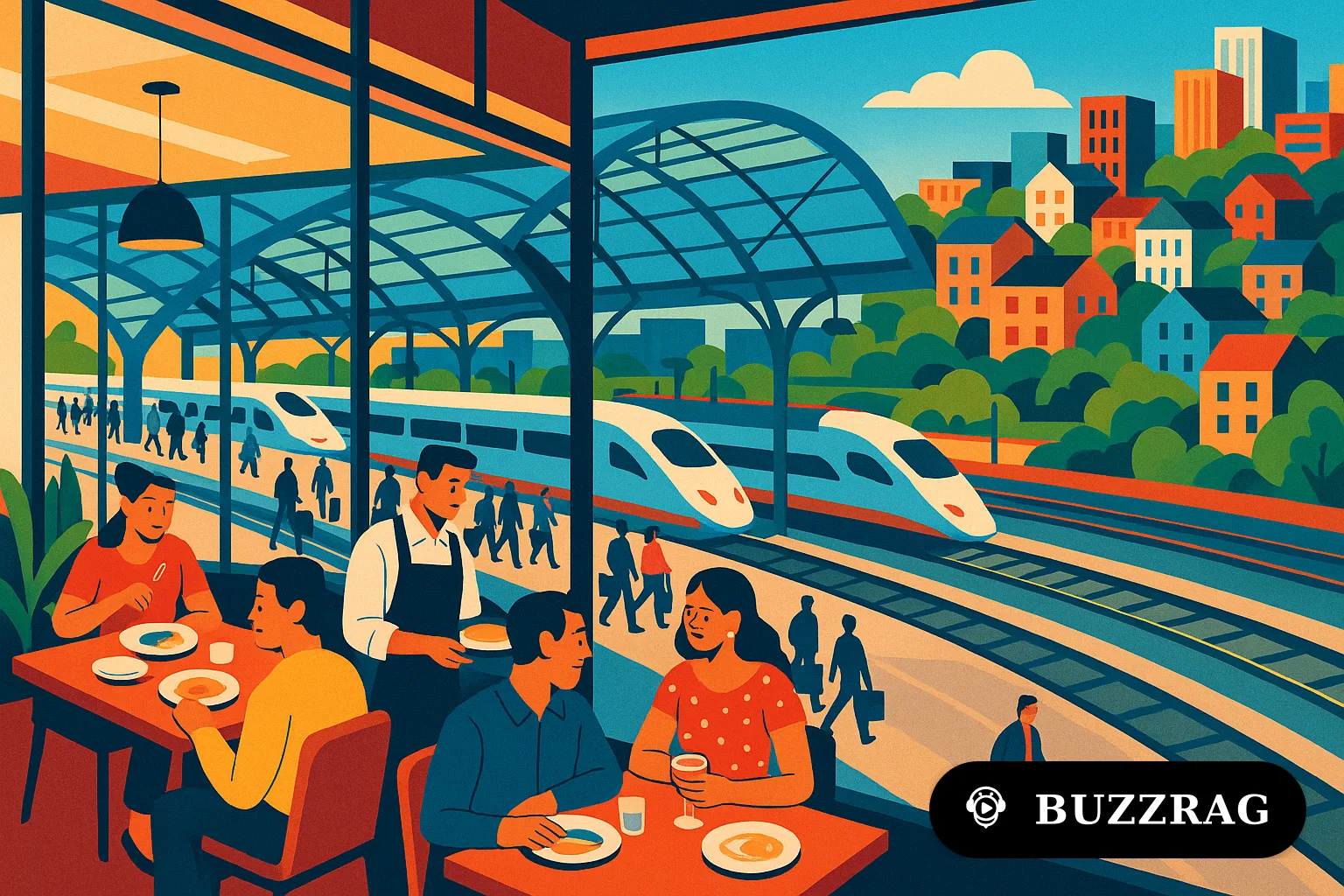
Hotels Elevate Dining with Local Partnerships
Hotels worldwide are redefining their dining experiences to become key brand differentiators. By focusing on approachable menus and forming local partnerships, hotel restaurants are moving beyond being mere amenities. Integrated guest experiences, such as farm-to-table initiatives and chef collaborations, are increasingly popular.
This trend is driven by travelers seeking authentic local culinary experiences within the convenience of their accommodations. Hotels are responding by curating menus that reflect regional tastes and by hosting events that draw in both guests and locals. This approach not only enhances the guest experience but also strengthens the hotel's ties to the community.
The shift towards more thoughtful dining options represents a broader industry trend emphasizing personalization and locality. As competition intensifies, hotels that succeed in offering unique culinary experiences may find themselves at a distinct advantage.
Castlelake's Pursuit of EasyJet Amid Resistance
Investment firm Castlelake has made multiple offers to acquire EasyJet, a leading UK budget carrier, but has faced resistance from the airline's board. The firm has submitted three proposals, yet the board remains unwilling to engage, raising questions about the future direction of EasyJet.
Castlelake's interest underscores the growing appeal of budget airlines in a post-pandemic travel landscape focused on affordability and efficiency. However, the board's reluctance suggests concerns about the implications of such an acquisition, including potential changes in operational strategy or company culture.
This standoff highlights the delicate balance between shareholder interests and corporate governance in the aviation industry. As Castlelake presses for consideration of its proposals, the outcome could set a precedent for similar negotiations within the sector.
South Korea's Rail Collaboration Revolution
In a significant move, South Korea's national operator Korail has partnered with Supreme Railways to operate joint high-speed services. This collaboration involves coupling trainsets from both operators, optimizing capacity and efficiency on popular routes such as Suseo to Gwangju-Songjeong.
This initiative reflects a broader trend of collaboration in the rail industry, aimed at enhancing service delivery and maximizing resources. By working together, these operators can offer more frequent and reliable services, responding to increasing passenger demand for high-speed travel.
The partnership between Korail and Supreme Railways may inspire similar cooperative efforts globally, as rail networks look to adapt to changing travel patterns and sustainability goals. Observers will be keen to see if this model can be replicated elsewhere to improve rail connectivity and customer satisfaction.
As travel landscapes continue to evolve, stakeholders must focus on innovation and collaboration to meet emerging challenges. The actions taken today will shape the experiences of tomorrow's travelers.