BuzzRAG Travel Desk — 2026-05-10

Curated by AI. Mariel Fontaine, Travel Desk Editor
Today’s travel insights delve into the often overlooked aspects of airports, the importance of pilot rest on long-haul flights, and a bold public transport initiative in France. Each story reveals the layers behind travel experiences and infrastructure changes shaping our journeys.
Unveiling Airport Secrets for a Smarter Journey
Navigating airports can often feel overwhelming, but a recent video from Wolters World helps demystify the experience by revealing some lesser-known airport secrets. The video guides travelers on identifying the most efficient security lines, locating top-notch dining options, and finding the cleanest restrooms. It also offers practical advice on timing flights, understanding boarding procedures, and managing unexpected cancellations.
These insights are particularly valuable as airports worldwide are experiencing increased passenger volumes post-pandemic. Understanding these nuances can significantly enhance the travel experience, reducing stress and saving time. With airports continually adapting to new technologies and passenger expectations, staying informed about these changes is crucial for any traveler.
As global travel continues to rebound, such insider knowledge empowers travelers to navigate these busy hubs with greater ease and efficiency. It also underscores the evolving nature of airport operations, where even small details can impact the overall travel experience.
The Essential Rest: Pilots Sleeping on Long-Haul Flights
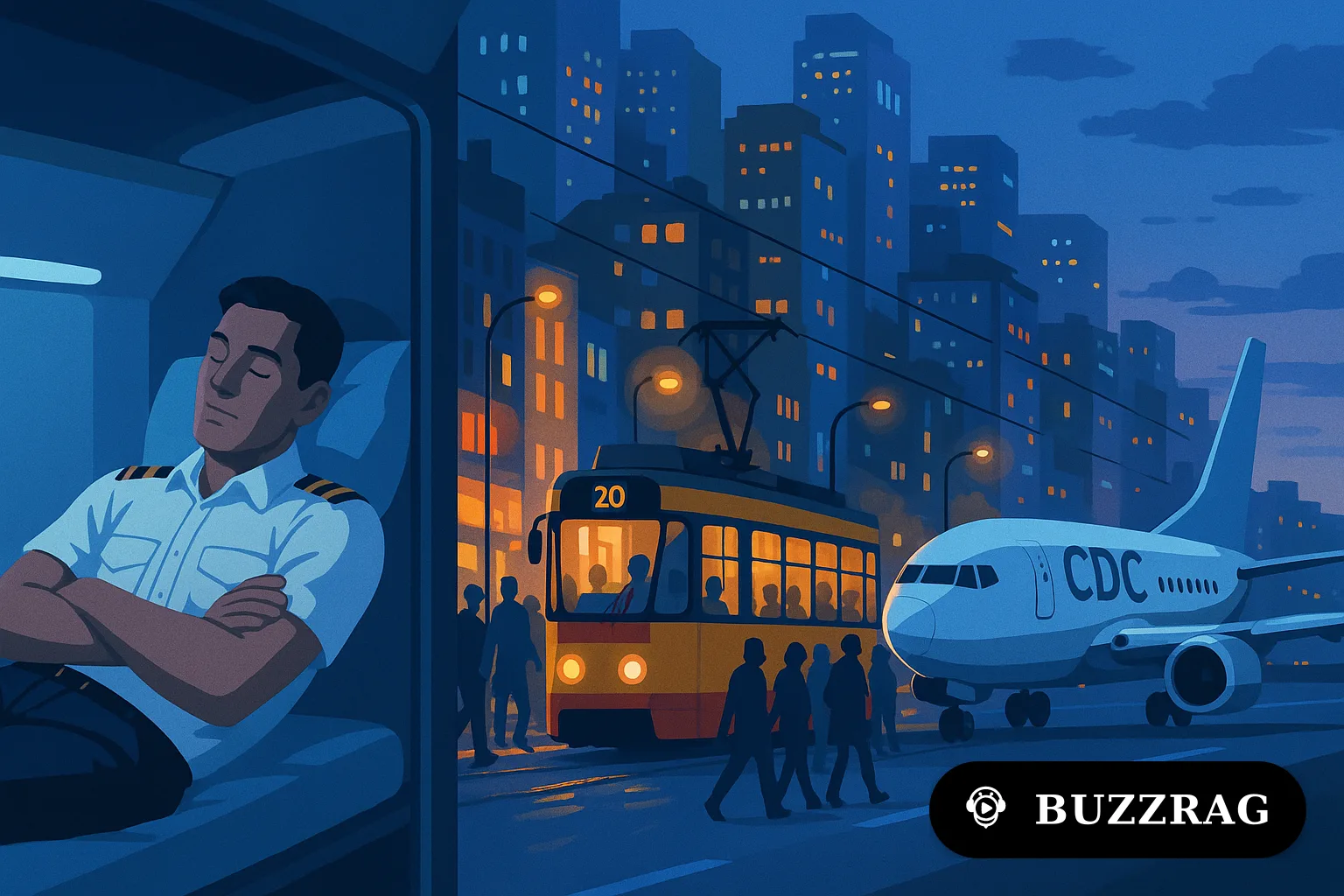
In the aviation industry, the safety and well-being of passengers and crew are paramount. A recent discussion highlights the fact that long-haul pilots do, indeed, sleep during flights, utilizing specially designed secret bunks. This practice is essential to ensure that pilots remain rested and alert, thereby maintaining the highest safety standards.
These rest protocols are part of stringent regulations governing crew rest periods, designed to combat fatigue—a critical factor in operational safety. The hidden bunks allow pilots to take turns resting while co-pilots manage the aircraft, ensuring continuous oversight and decision-making capacity. This system reflects the complex logistics and planning involved in long-haul aviation, where pilot endurance is as crucial as technical proficiency.
As the aviation industry continues to evolve with technological advancements and longer flight routes, understanding these behind-the-scenes practices highlights the industry's commitment to safety. It also reassures passengers of the rigorous measures in place to protect their well-being.
Montpellier's Bold Move to Free Public Transport
Montpellier, France's sixth-largest city, has taken a significant step in public transport innovation by making its tram services free for residents. This initiative has led to a notable increase in ridership, marking a shift towards more sustainable urban mobility. The decision, championed by Julie Frêche, Vice-President for Transport & Mobility, aims to reduce traffic congestion and environmental impact while promoting public transport use.
The move sets Montpellier apart from other French cities, where fares are typically charged. By removing financial barriers, the city encourages more residents to opt for public transportation, contributing to a reduction in carbon emissions and enhancing the quality of life. This strategy not only supports environmental goals but also addresses social equity by making transportation more accessible to all economic groups.
As urban areas worldwide grapple with sustainability challenges, Montpellier's experiment could serve as a model for other cities seeking to balance growth with ecological and social responsibility. Observers will be keenly watching the long-term impacts of this policy on urban planning and environmental goals.
CDC's Quarantine Flight Amid Hantavirus Concerns
The Centers for Disease Control and Prevention (CDC) has initiated an unprecedented response to a hantavirus outbreak on a cruise ship, arranging a quarantine flight for affected American passengers. This measure underscores the serious nature of the outbreak and the health agency's commitment to preventing further transmission.
Hantavirus, a potentially deadly virus primarily spread by rodents, poses significant health risks, prompting the CDC to act swiftly. By transporting passengers directly to the U.S. under controlled conditions, the CDC aims to ensure proper medical care and containment of the virus. This action reflects the broader challenges of managing infectious diseases in the age of global travel, where swift and decisive measures are crucial to public health.
The situation highlights the ongoing need for vigilance and preparedness in dealing with contagious diseases, especially in travel settings. It also raises questions about the protocols cruise lines have in place for dealing with outbreaks and how they can better protect passengers and crew.
Southwest's Boarding System Overhaul: Lessons Learned
Southwest Airlines recently faced challenges after implementing a new boarding system, leading to a rapid revision of their approach. The introduction of assigned seating exposed issues such as bin-space battles and loyalty program tensions, highlighting the complexities of changing long-standing operational practices.
The initial rollout aimed to streamline the boarding process and enhance customer experience. However, the unintended consequences highlighted the delicate balance airlines must maintain between operational efficiency and customer satisfaction. The swift response by Southwest to amend the system underscores the importance of flexibility and responsiveness in service industries.
As airlines continue to innovate and adapt to evolving traveler expectations, Southwest's experience serves as a reminder of the potential pitfalls. It also emphasizes the need for thorough planning and testing before implementing substantial changes, ensuring both the company and its passengers benefit from new systems.
Riyadh Air's Unique Approach to Luxury Travel
Riyadh Air, a start-up airline, is challenging traditional notions of luxury with its new Boeing 787-9 cabin configuration, which notably excludes a first-class section. Instead, the airline focuses on enhancing the overall passenger experience through innovative design and premium service offerings.
This approach reflects a shift in consumer expectations, where exclusivity is being redefined. By prioritizing comfort and quality across all cabin classes, Riyadh Air aims to attract discerning travelers who value these attributes over traditional class distinctions. The airline's strategy taps into the growing trend of experiential travel, where the journey is as important as the destination.
As Riyadh Air prepares to enter the competitive aviation market, its success could influence how airlines conceptualize luxury travel. Industry observers will be watching closely to see if this model resonates with passengers and sets a new standard for premium air travel.
As travel continues to evolve with new challenges and innovations, today's stories remind us of the complexities and opportunities within the industry. From public transport initiatives to redefining luxury in the skies, these developments signal a dynamic future for travelers and industry stakeholders alike.