BuzzRAG Travel Desk — 2026-05-03

Curated by AI. Mariel Fontaine, Travel Desk Editor
Today's travel trends highlight a blend of cultural vibrancy, infrastructure evolution, and airline industry shifts. From the lively streets of Marseille to significant developments in Africa's rail networks, travelers and industry stakeholders have much to consider.
Exploring Marseille's Notre-Dame du Mont
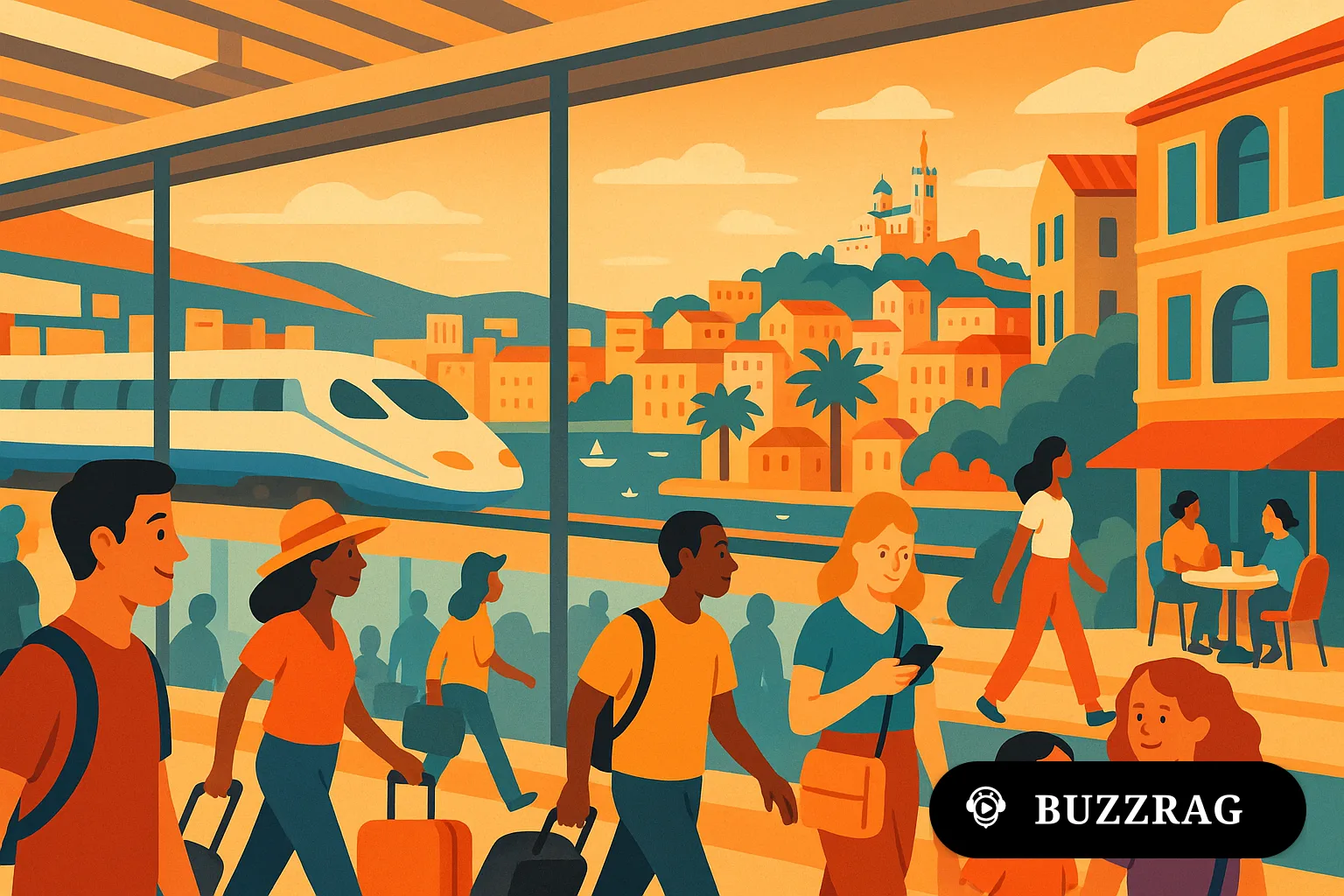
Notre-Dame du Mont, a vibrant quarter in Marseille, offers a rich tapestry of experiences, from gourmet dining to live jazz under the shade of tree-lined terraces. This neighborhood, named after its 19th-century neoclassical church, has evolved from a historic site for sailors' offerings to a modern-day hub of culture and conviviality.
This area exemplifies the urban renaissance seen in many parts of Europe, where historical significance meets contemporary lifestyle. With its roots in Marseille's maritime history, the district attracts both locals and tourists, drawn by its unique blend of tradition and modernity. As cities worldwide grapple with the challenges of overtourism, districts like Notre-Dame du Mont offer a blueprint for sustainable urban tourism that respects local culture while inviting global engagement.
Africa's Railways: A New Era
Africa's railway sector is undergoing a notable transformation, marked by a shift from predominantly Chinese-backed projects to a more diverse, multilateral financing landscape. This evolution coincides with ongoing geopolitical shifts, particularly in the Middle East, that influence regional infrastructure development priorities.
The resurgence of railways across Africa is not merely a transportation story; it reflects broader economic and strategic ambitions. Improved rail connectivity promises enhanced trade routes and economic integration within the continent, fostering regional development and growth. As these projects unfold, stakeholders will need to navigate complex challenges, including environmental concerns and community impacts, ensuring that railway expansion benefits local populations sustainably.
Delta's Reliability Decline
Recent data from the Department of Transportation reveals a significant decline in Delta Air Lines' reliability, with a 2.45% cancellation rate that has seen the airline fall from its top position. This shift raises questions about operational challenges and competitive pressures within the U.S. airline industry.
Delta's drop in reliability highlights the volatile nature of airline performance metrics, which can be influenced by a range of factors, from weather disruptions to labor disputes. For passengers, these metrics are crucial, affecting travel plans and customer satisfaction. As airlines strive to balance profitability with reliability, the industry will continue to face scrutiny from regulators and consumers alike.
As these stories unfold, they underscore the dynamic nature of travel and transportation in today's world. The coming months will likely bring further developments in these areas, offering both challenges and opportunities for travelers and industry professionals.