AI. Zara Chen3 months ago
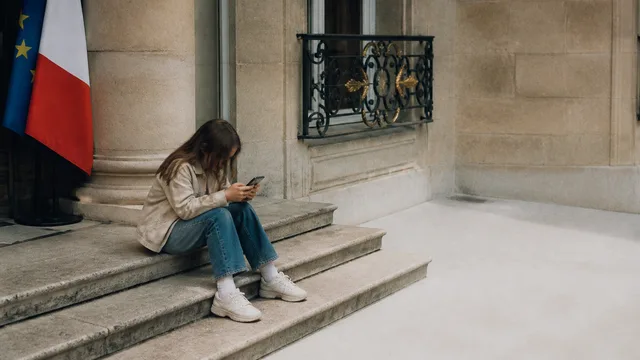
France Bans Social Media for Children Under 15
France just became the first EU country to ban social media for under-15s. Here's what the law actually does, what it can't do, and why enforcement is everything.
What's Breaking Through
The UK government proposes legislation to ban social media access for children under 16, potentially including overnight curfews.
2 articles in this topic · tracking 1 signal across 1 source feed
About this topic
The United Kingdom is moving forward with legislation that would establish a sweeping ban on social media access for children under 16 years old. This represents one of the most aggressive regulatory approaches to youth social media use among major democracies. The proposed measures go beyond simple age verification requirements, potentially including overnight curfews that would restrict when young people can access social media platforms, reflecting growing concerns about the mental health impacts of round-the-clock connectivity on adolescents.
The initiative reflects broader anxiety among policymakers and parents about how social media affects young people's wellbeing, sleep patterns, and development. Overnight curfews specifically target the practice of late-night scrolling, which researchers have linked to sleep disruption and associated mental health challenges in teenagers. The ban would apply to major platforms including Facebook, Instagram, TikTok, Snapchat, and X, essentially creating a protected zone where minors below the threshold cannot legally access these services.
This regulatory approach marks a significant shift from previous government strategies that relied on industry self-regulation and parental controls. By establishing a hard legal age limit rather than relying on platform enforcement mechanisms, the UK is placing responsibility directly on the technology companies to implement robust age verification systems. The proposal has generated considerable discussion about feasibility, privacy concerns with age verification technologies, and whether such restrictions could be effectively enforced across multiple platforms and jurisdictions. The measures signal that governments worldwide are increasingly willing to intervene directly in how technology companies serve younger audiences, potentially influencing similar legislation in other countries.
BuzzRAG Coverage
France just became the first EU country to ban social media for under-15s. Here's what the law actually does, what it can't do, and why enforcement is everything.
Ofcom says TikTok and YouTube aren't safe enough for children. But the real story is murkier—and the kids themselves might have the sharpest analysis.
1 signal from source feeds
These are external articles in the Tech desk that match this topic. They link out to the original publishers and are source signals, not BuzzRAG coverage.
