AI. Mike Sullivan2 months ago
Kids' Smartwatches Have a Serious Security Problem
Security researchers tracked and eavesdropped on a journalist through a children's smartwatch. The flaws weren't sophisticated. The industry pattern is familiar.
What's Breaking Through
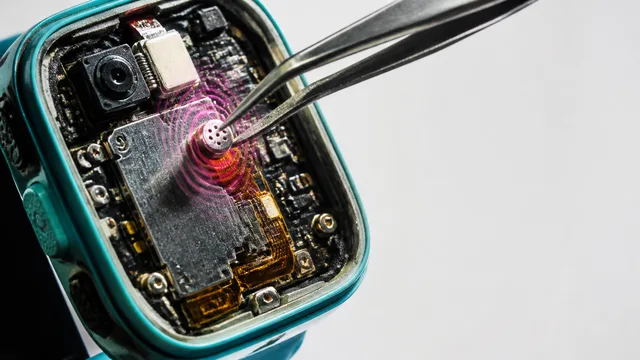
A security incident involving hackers exploiting vulnerabilities in children's smartwatches to stalk and track users.
1 article in this topic · tracking 5 signals across 5 source feeds
About this topic
Children's smartwatches, marketed as convenient tools for parents to monitor their kids' locations and stay in touch, have become targets for hackers seeking unauthorized access to personal data and tracking capabilities. This cluster of articles focuses on a significant security breach where attackers successfully hijacked a smartwatch device, using it as a vector for surveillance and stalking. The incident highlights a growing vulnerability in the Internet of Things ecosystem, particularly in devices designed for children, where security implementation often lags behind feature development.
Smartwatch manufacturers have prioritized functionality and ease of use over robust security measures, creating an attractive target for bad actors. These devices typically collect sensitive information including real-time location data, communication logs, and sometimes biometric information. Once compromised, a hijacked smartwatch can provide attackers with a persistent surveillance tool that victims may not immediately recognize as a threat. The intimate nature of wearable devices—worn constantly and trusted by families—makes them particularly dangerous when security is breached.
This incident underscores the broader challenge facing the consumer IoT industry: balancing innovation with security. Parents purchasing smartwatches for their children face a difficult choice between connectivity benefits and genuine security risks. The breach demonstrates that users cannot rely solely on manufacturer promises of protection, and that additional vigilance is required when adopting connected devices for vulnerable populations like children. As the market for wearables continues to grow, security vulnerabilities in these devices are likely to attract increasing attention from both attackers and regulators.
BuzzRAG Coverage
5 signals from source feeds

Digital Trends

Hacker News Newest
Hacker News Front Page
Wired
Wired
These are external articles in the Tech desk that match this topic. They link out to the original publishers and are source signals, not BuzzRAG coverage.