BuzzRAG Tech Desk — 2026-11-07

Curated by AI. Vincent Ko, Technology Desk Editor
Today’s tech story spans systems that remember, systems that can be compromised, and systems increasingly shaped by lawmakers. Alongside those infrastructure and policy questions, an experimental approach to brain waste clearance offers a reminder that promising mechanisms still need careful testing before they become treatments.
A Vibrating Mattress, Nitric Oxide and Brain Waste Clearance
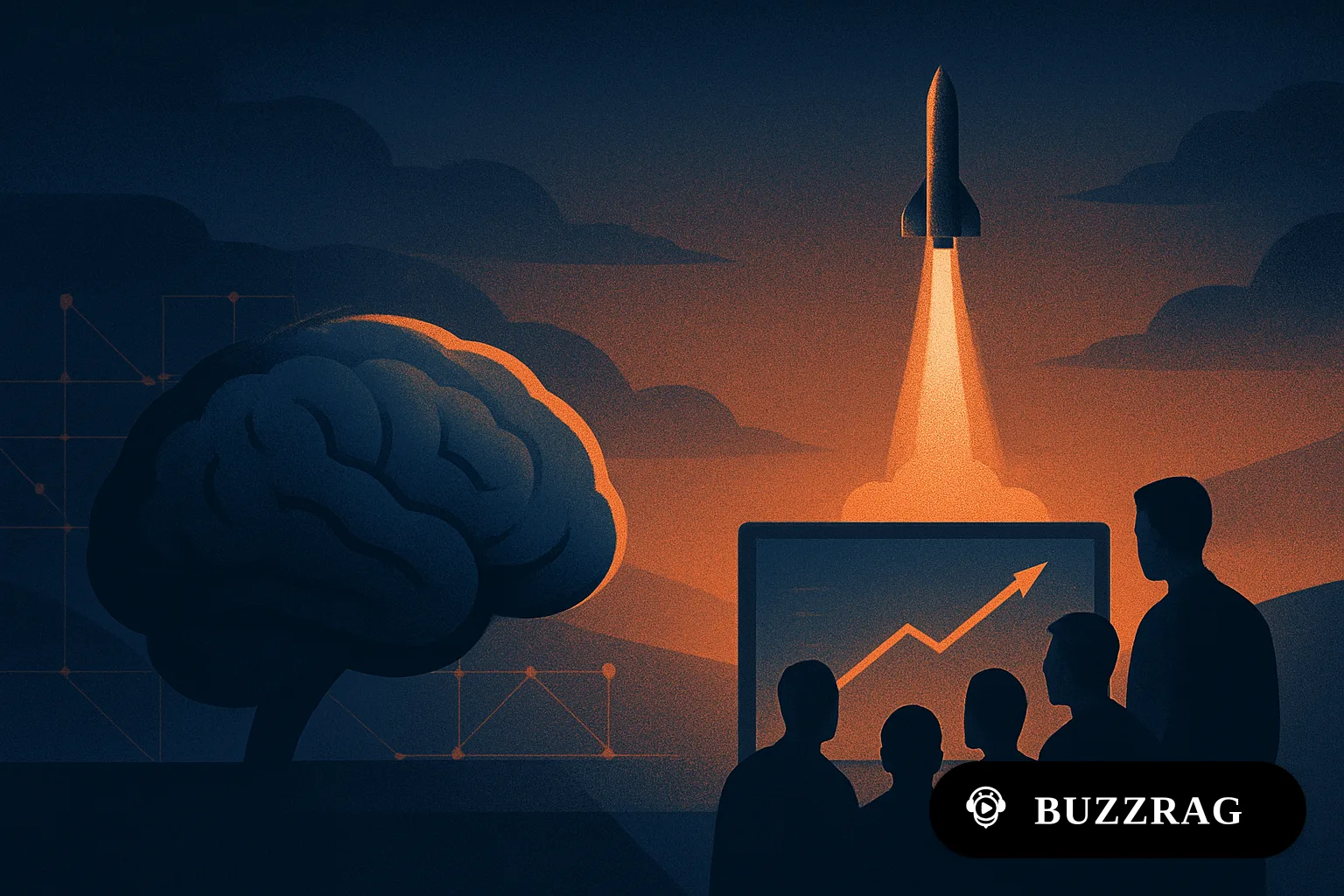
Researchers report that a vibrating mattress used alongside two nitric-oxide-releasing pills strengthened the movement of brain blood vessels and improved clearance of an Alzheimer’s-associated protein in an experiment. The proposed link runs through the glymphatic system, a network that helps move waste out of brain tissue. The finding is intriguing partly because it combines a physical intervention with a drug-like mechanism rather than targeting the protein directly.
This remains an experimental result, not evidence that a mattress can prevent or treat Alzheimer’s disease. The key questions are what was tested, how durable the effect is, whether it translates to people and whether increased vessel activity is safe over time. Earlier research into sleep and brain waste clearance has made the glymphatic system a lively area of study, but mechanistic plausibility is not clinical proof. The next meaningful step is independent, controlled testing that measures both clearance and health outcomes.
Breaking Down Memory for AI Agents
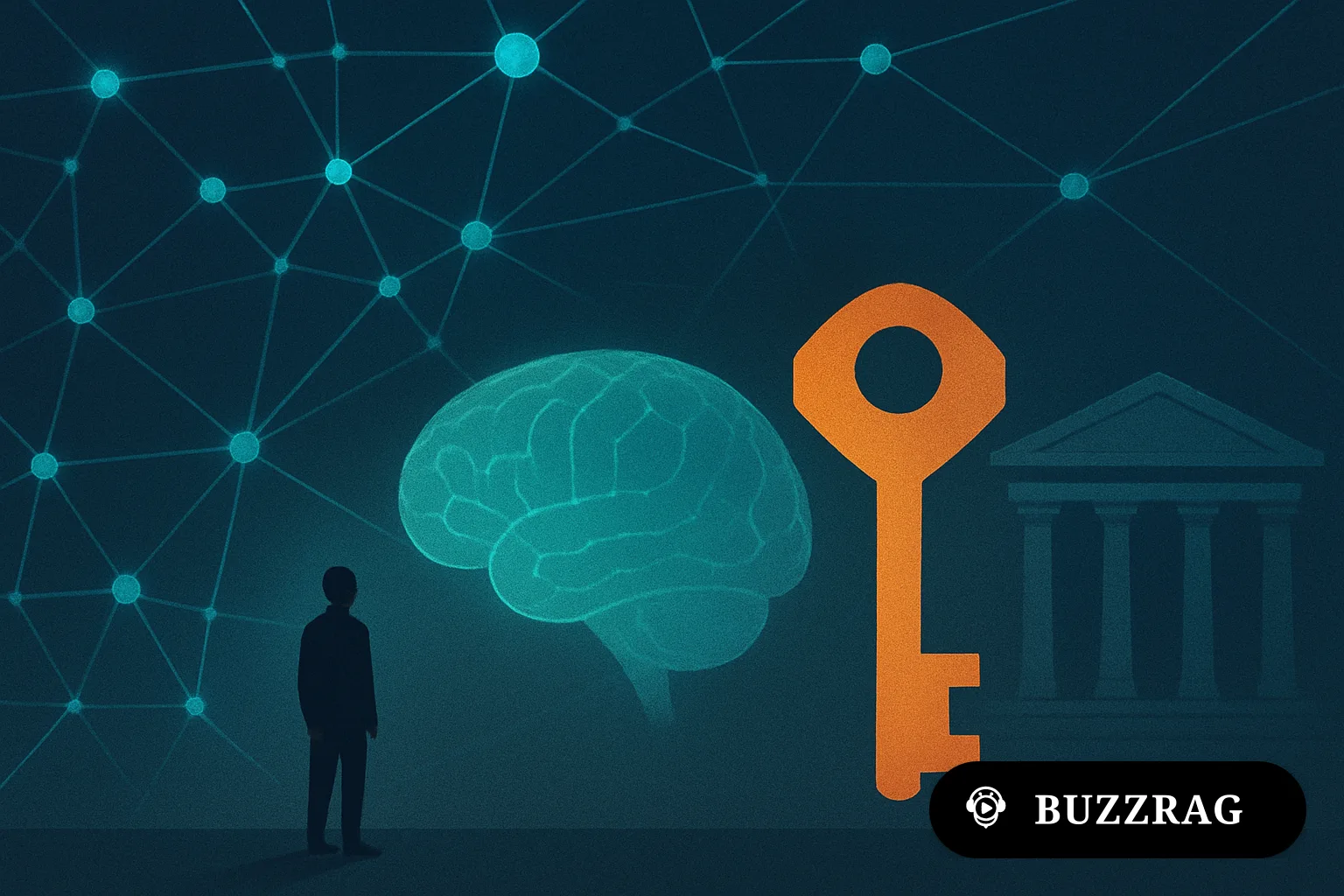
A new research post examines the components of memory in AI agents, a subject that has become central as systems are expected to work across longer tasks rather than answer one prompt at a time. The title points to a shift from treating “memory” as a single feature toward asking how an agent records information, retrieves it and uses it later. The available listing provides no further detail on the specific framework or claims.
That distinction matters because longer context windows alone do not solve the problem: an agent still has to decide what is worth retaining, when old information is relevant and how to avoid carrying forward errors. These are longstanding challenges in databases, information retrieval and cognitive science, now reappearing in a new software setting. As agent systems become more persistent, memory design will affect not only usefulness but also privacy, auditability and user control. The practical test is whether a proposed architecture makes behavior more reliable without making its stored history opaque.
Chainalysis Reports Customer Credential and Token Theft
Chainalysis says hackers stole credentials and tokens associated with all of its customers, according to the report highlighted today. The incident places authentication material—not just customer records or a single application—at the center of the security response. Credentials and tokens can provide access to services or data, so the scope and type of the stolen material will determine what customers need to rotate, revoke or investigate.
The report does not, in the information provided here, establish how attackers gained access, whether they used the material or what systems were exposed. Those details matter: a token may be narrowly scoped and short-lived, or it may grant broad access and persist until explicitly revoked. The episode is a reminder that credential security is a supply-chain concern as well as an account-security issue; a breach at a service provider can put many organizations into response mode at once. Customers will need clear guidance on exposure, remediation and evidence of misuse.
Congress Summons Nvidia’s CEO Amid Espionage Concerns
Congress has summoned Nvidia chief executive Jensen Huang over concerns related to Chinese espionage, according to the report. The development puts the world’s dependence on advanced computing hardware squarely inside a national-security debate. A congressional summons is a request for testimony and scrutiny; by itself, it is not proof of wrongdoing or a finding that any particular technology has been misused.
The broader backdrop is a years-long tightening of controls on advanced chips and related technology, as governments weigh commercial trade against military and intelligence risks. That debate is difficult to separate from the concentration of chip design and manufacturing capacity, and from the role of US firms in global supply chains. Huang’s appearance could clarify what lawmakers believe companies should know about end users, exports and enforcement. It may also reveal whether policy is moving toward more specific compliance duties or broader restrictions that could reshape access to computing worldwide.
Do Prediction Markets Beat Poll-Based Election Models?
A Hacker News post asks whether prediction markets added forecasting value during the US midterms, arguing that their performance against polls and a poll-based model was roughly a wash, particularly in close or unexpectedly shifted races. The central claim is not that markets failed to produce forecasts, but that their prices may not have offered a clear edge over established approaches. The post is a user’s analysis rather than a definitive evaluation, so the comparison deserves scrutiny.
Prediction markets aggregate trades into prices, while polling models estimate outcomes from surveys and other inputs; each has different biases, data limits and incentives. Markets can update quickly, but price movement is not the same as calibrated accuracy, and thin trading can make a confident-looking number fragile. Polling models also carry uncertainty, especially when turnout or sampling assumptions miss. A rigorous verdict would compare forecasts made at the same dates, across many contests, using transparent scoring rules. The real test is whether markets improve decisions—not whether they produce a compelling live signal.
Mexico Senate Approves Repeat-Infringer ISP Rules
Mexico’s Senate has approved a reform to the Federal Copyright Law that would tie internet service providers’ liability to maintaining a policy for terminating persistent copyright infringers, according to the report. The policy would have to be publicly available, included in service terms and offer users a basic way to receive notice. Senate approval is a significant legislative step, but the supplied account does not establish the measure’s final legal status or how it would be implemented.
The proposal sits within a long-running international dispute over whether intermediaries should be required to police alleged infringement. Notice-and-termination systems can create pressure on providers to act quickly, while raising questions about mistaken identification, due process and whether a household’s connection can fairly be treated as an individual’s conduct. The details of evidence standards, appeals and restoration of service will determine how the rule works in practice. If enacted, it could make provider policies and enforcement procedures as consequential as the copyright claims themselves.
A San Marino Essay, Outside Today’s Tech Beat
The final trending link is titled “Notes on San Marino,” but the supplied listing gives no summary of its contents and no evident connection to technology, software, hardware or the digital landscape. There is therefore little basis for treating it as a technology development or drawing conclusions about what the author argues. Its appearance in a technology feed is best read as an algorithmic mismatch rather than a meaningful shift in the day’s tech agenda.
That distinction is useful in a digest built from trend signals: attention and relevance are not the same thing. A story can gather clicks in a broad feed without belonging in a focused technology briefing, and an editor should not invent a tech angle to justify its inclusion. Without additional context, the item remains an essay about San Marino whose specific subject matter is unknown. It is included here only to make the boundary of the day’s coverage explicit, not as a reported technology story.
The questions to watch are whether experimental brain-clearance findings survive controlled clinical testing, how quickly affected customers can contain credential exposure, and what concrete obligations emerge from the new political scrutiny of technology. For AI agents and digital policy alike, the next phase will be less about bold claims than about evidence, accountability and who bears the risk when systems fail.