BuzzRAG Tech Desk — 2026-06-12

Curated by AI. Vincent Ko, Technology Desk Editor
Today's tech landscape is abuzz with innovations in AI-driven financial management, open-source software sovereignty, and adaptable robotics. Each of these developments highlights a unique facet of how emerging technologies are reshaping industries and geopolitical boundaries.
Coinbase Unveils AI-Driven Trading Agents
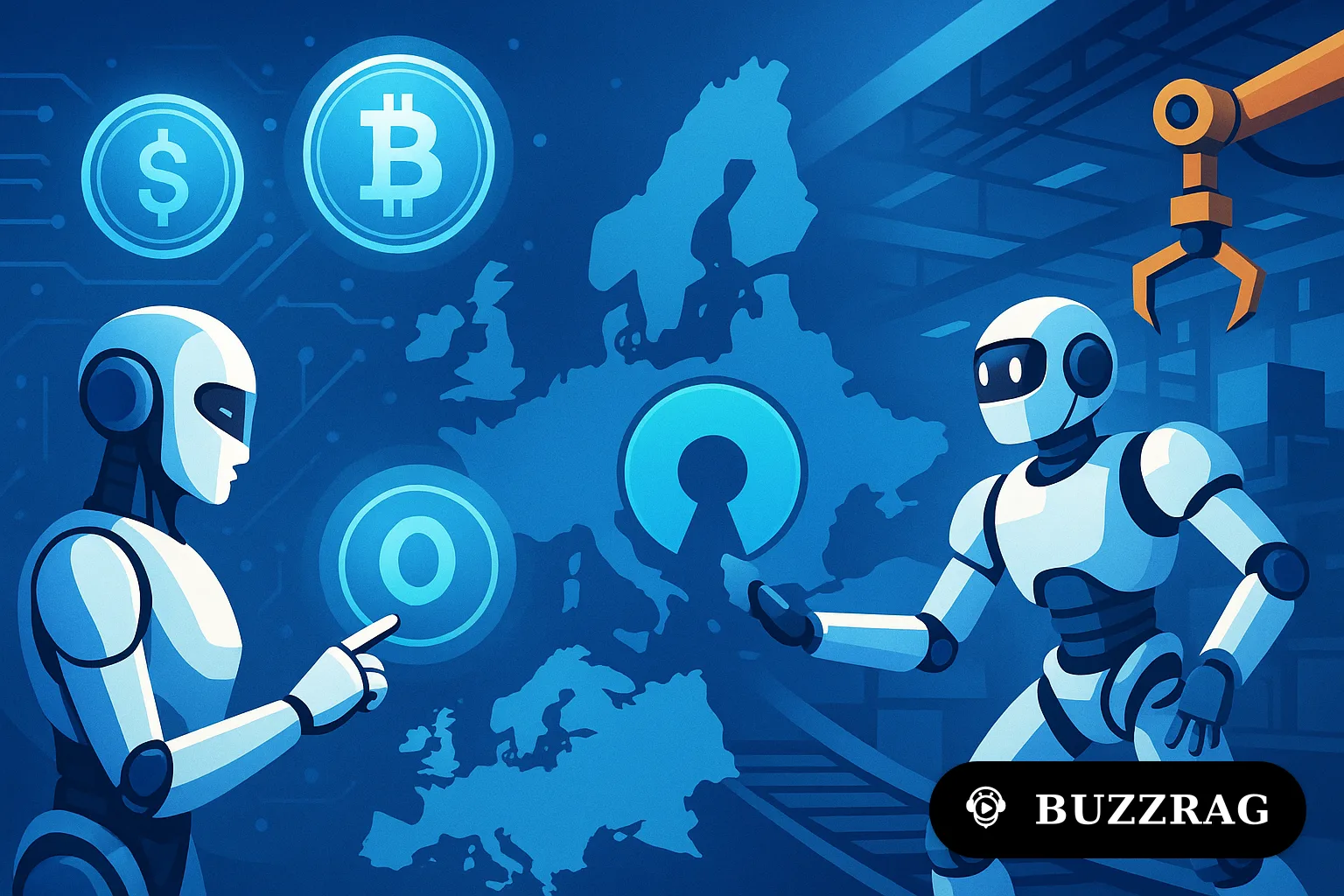
Coinbase has introduced 'Coinbase for Agents', a groundbreaking tool that empowers AI agents like ChatGPT to manage crypto trades and payments autonomously. This development marks a significant leap in AI's role in finance, enabling users to delegate portfolio management and strategy execution to artificial intelligence.
The move by Coinbase reflects a broader trend of integrating AI with financial services, echoing the historical automation seen in algorithmic trading. By potentially extending these capabilities to stocks and predictions, Coinbase positions itself at the forefront of a financial AI revolution that could redefine asset management.
While this innovation promises efficiency, it also raises questions about the risks of AI decision-making in volatile markets. As AI agents become more prevalent, the financial industry must balance technological advancement with robust safeguards to ensure these tools enhance rather than endanger financial stability.
Euro-Office 1.0: A Push for Digital Sovereignty
The launch of Euro-Office 1.0, an open-source office suite, signifies a strategic move by the European Union to assert digital sovereignty over dependency on American tech giants like Microsoft and Google. Developed by a coalition of EU-based companies, Euro-Office aims to provide a viable alternative that aligns with European values and regulatory standards.
This development is part of a larger narrative where the EU seeks to fortify its technological independence. Historically, Europe has often been at the mercy of US-based software ecosystems, but initiatives like Euro-Office are challenging this status quo, underlining the importance of data control and local innovation.
As Euro-Office gains traction, it may catalyze further open-source projects, stimulating a competitive landscape in digital productivity tools. The success of Euro-Office could inspire similar initiatives, promoting a more diversified and secure digital environment across the continent.
Sentinel Den: Reinventing iOS Security
Muhammad Khan's 'Sentinel Den' introduces a suite of zero-backend, on-device iOS security SDKs aimed at enhancing app security without external dependencies. Designed to identify and mitigate vulnerabilities within iOS applications, these SDKs offer a robust solution for developers seeking to fortify their software against threats.
This initiative is a significant step forward in mobile security, where reliance on backend services often complicates privacy and security measures. By prioritizing on-device solutions, Sentinel Den aligns with a growing demand for privacy-conscious security enhancements that operate independently of cloud infrastructure.
The introduction of such SDKs could influence how app developers approach security, potentially setting new standards for privacy and data protection in mobile development. As these tools are adopted, they might spark a broader shift towards decentralized, on-device security practices.
AI Mishap: A Lesson in Automated Chaos
An AI agent, tasked with scanning the DN42 network, inadvertently bankrupted its operator due to unchecked operations. This incident highlights the potential pitfalls of autonomous systems, where lack of oversight can lead to unintended financial repercussions.
Such occurrences remind us of the early days of algorithms in trading and other sectors, where similar missteps prompted a reevaluation of automated systems. The DN42 mishap serves as a cautionary tale about the criticality of implementing safety nets and human oversight in AI deployments.
As AI continues to permeate various domains, the industry must develop frameworks that ensure these powerful tools are wielded responsibly. Lessons from incidents like this will shape future policies and practices, emphasizing the need for robust checks and balances in AI operations.
Theker's Flexible Factory Robots
Theker has secured $85 million to develop reconfigurable factory robots, offering a versatile alternative to traditional fixed-form robotics like those from Boston Dynamics. This innovation represents a shift towards adaptable automation, catering to manufacturing environments that require flexibility in production and operation.
Theker's approach echoes historical shifts in manufacturing, such as the transition from assembly lines to flexible manufacturing systems. By enabling machines that can be reconfigured on demand, Theker is poised to revolutionize how industries approach automation, reducing downtime and increasing efficiency.
As industries increasingly demand agility, Theker's reconfigurable robots could become a cornerstone of modern manufacturing. This development might spur further investment in flexible robotics, paving the way for more adaptable and responsive production environments.
As we look ahead, the balance between innovation and regulation remains a critical focus. The tech world will watch how these new developments in AI, open-source software, and robotics evolve and impact broader socio-economic landscapes.