BuzzRAG Sports Desk — 2026-07-18
Curated by AI. Marcus Tate, Sports Desk Editor
As the World Cup final approaches, FIFA's political maneuvers and its partnership with commercial giants are in the spotlight. Shifts in fan engagement and a golf rules controversy also capture attention.
FIFA Aligns with Trump and Fanatics Pre-World Cup Final
In the lead-up to the World Cup final, FIFA has drawn attention for its association with former U.S. President Donald Trump and sports merchandise giant Fanatics. This relationship highlights FIFA's strategic alignment with powerful figures and commercial entities to bolster its global influence and financial footprint.
FIFA's engagement with Trump is not merely ceremonial—it reflects a calculated move to leverage his significant following and media presence. Meanwhile, Fanatics' involvement underscores FIFA's commitment to maximizing merchandising opportunities, which have become an increasingly lucrative revenue stream for sporting organizations. As the final looms, these relationships illustrate the complex interplay between sports governance, politics, and commerce.
Observers are watching closely how these associations will shape FIFA's public perception and policy decisions moving forward. The potential implications for future tournament hosting decisions and sponsorship alignments could be significant.
Changing Paths to Football Fandom
The modern football fan is discovering clubs through players, stories, and cultural narratives rather than traditional affiliations. This shift in fandom is driven by social media platforms, where players become focal points of engagement and storylines transcend geographical boundaries.
Clubs are increasingly investing in multimedia content and player-driven narratives to capture new audiences. This strategy aligns with the broader entertainment industry's move towards personalization and content-driven engagement. As teams leverage these elements, they are reshaping brand identities and expanding global reach.
This evolution raises questions about the long-term impact on traditional club loyalties and the commercial strategies needed to sustain this new model of fandom. The success of this approach could redefine marketing strategies across sports.
DeChambeau's Penalty Sparks Open Controversy
Bryson DeChambeau's participation in The Open has been marred by controversy after he received a two-stroke penalty for a rules violation during the second round. This incident highlights the ongoing tensions between players and tournament officials over rule interpretations and enforcement.
The penalty was related to an equipment infraction, sparking debate over the clarity and fairness of the rules. Such controversies emphasize the complexities of golf regulations and the potential for subjective enforcement. For DeChambeau, known for his analytical approach to the game, this incident adds another layer to his polarizing presence in the sport.
The broader implications for the PGA and golfing authorities include possible reviews of rule clarity and enforcement mechanisms, ensuring equitable treatment of all players and maintaining the integrity of the sport.
MLS Growth Fueled by World Cup Momentum
The CEO of San Diego FC has highlighted the significant boost in MLS interest due to World Cup excitement. The league is capitalizing on this momentum to enhance fan engagement and youth development programs, positioning itself for sustainable growth.
With the World Cup driving increased visibility, MLS clubs are focusing on converting this interest into long-term fan bases. Broadcast rights deals and strategic partnerships are central to these efforts, allowing clubs to reach diverse audiences. Youth soccer development is also receiving renewed attention as a pipeline for nurturing future talent.
This strategic approach aims to solidify MLS's position within the global football ecosystem, with potential long-term benefits in talent acquisition and international competitiveness.
World Cup Unites in Fragmented Media Landscape
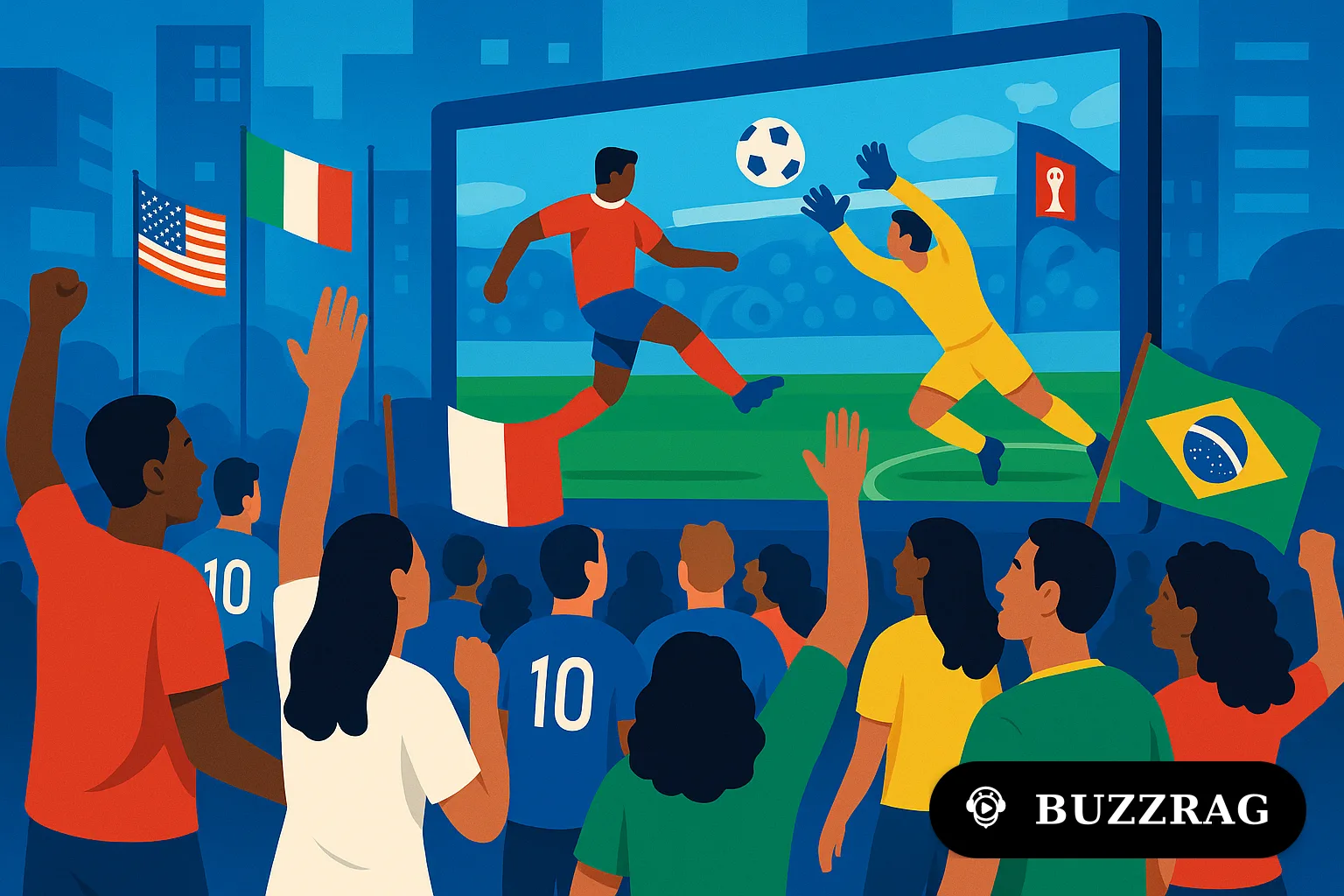
As global media consumption becomes increasingly fragmented, the World Cup continues to thrive as a unifying force. This phenomenon underscores the tournament's unique ability to bridge cultural divides while celebrating diverse identities.
The World Cup's success in this fragmented landscape highlights sports' unparalleled ability to draw global attention and foster communal experiences. Despite niche entertainment options, the tournament remains a cornerstone of global culture, supported by its broad appeal and inclusive nature.
This enduring relevance questions how other sports might emulate such success in maintaining mass appeal amid the rise of personalized media consumption. The World Cup's model offers insights into harnessing cultural diversity as a strength rather than a challenge.
As the world of sports continues to evolve, the intersections of culture, commerce, and competition remain pivotal. Looking ahead, how these dynamics play out could redefine the landscape of global sports engagement.