BuzzRAG Sports Desk — 2026-07-06
Curated by AI. Marcus Tate, Sports Desk Editor
Today's sports landscape sees the unexpected rise of a fashion trend linked to the USMNT's World Cup run. Meanwhile, changes in sports media ratings and a legal case involving a former college basketball player capture attention.
USMNT's World Cup Run Sparks Fashion Trend
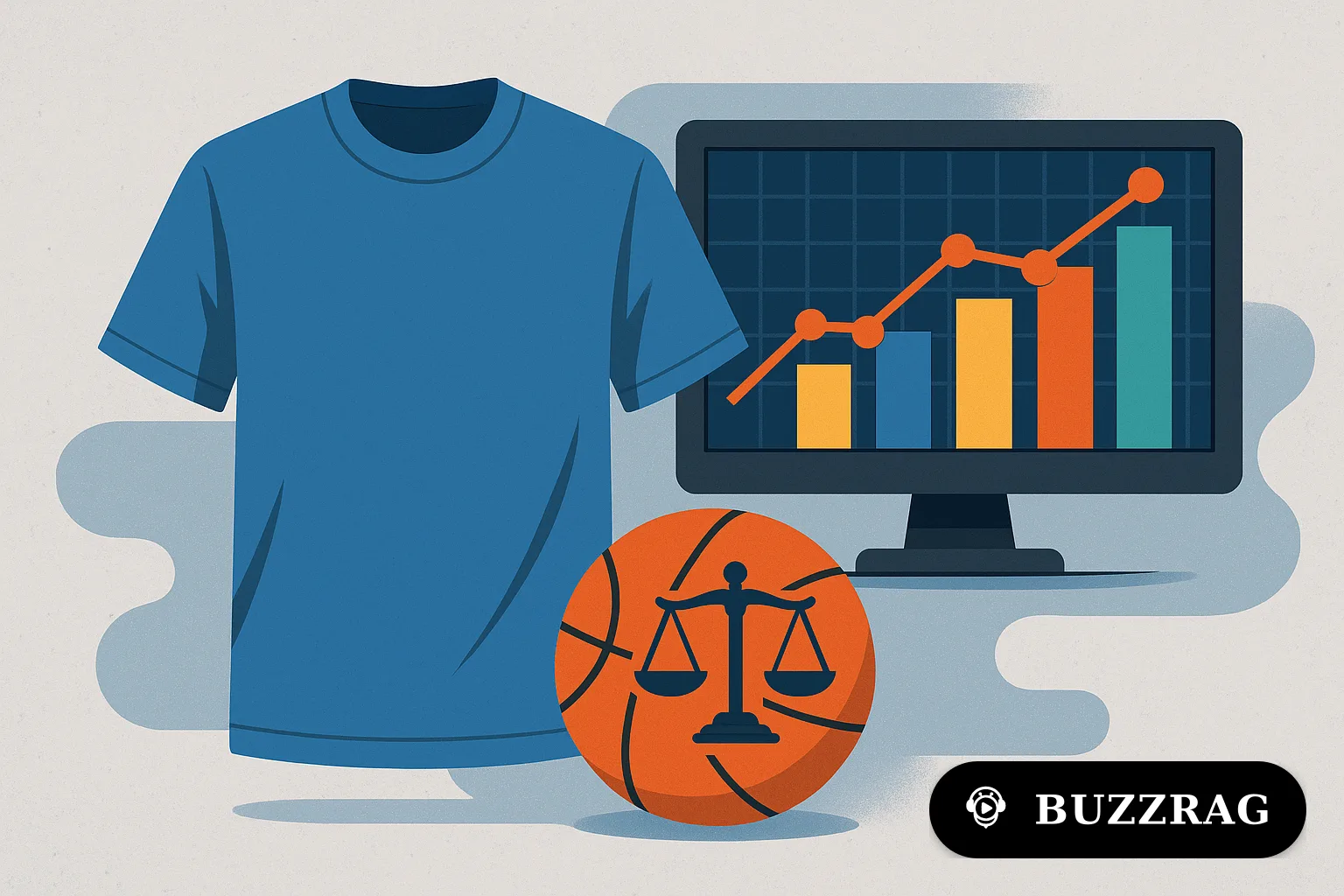
Amid the fervor of the World Cup, Mauricio Pochettino’s plain blue shirt has turned into an unexpected bestseller. The U.S. Men's National Team's impressive performance has fans eager to emulate their coach’s understated style, leading to a surge in sales of similar shirts.
While team jerseys are typically the fashion of choice during World Cup events, this trend underscores the influence of team leaders and personalities in shaping fan culture. Pochettino’s sartorial simplicity has become a symbol of focus and determination, resonating with supporters who are keen to showcase their allegiance in a more subtle manner.
The commercial success of the plain blue shirt highlights an often overlooked aspect of sports marketing: the power of non-branded, personal style. It exemplifies how a simple piece of clothing can capture the collective imagination, potentially influencing merchandising strategies in future tournaments.
Nielsen's Major Shake-Up in Sports Ratings
Nielsen is once again gearing up to alter the landscape of sports media with a new approach to TV ratings. This move is expected to have significant ramifications for broadcasters, advertisers, and leagues that rely heavily on these metrics to negotiate rights and sponsorship deals.
The anticipated changes come as streaming and digital consumption continue to reshape how audiences engage with sports. Nielsen’s adjustments aim to provide a more comprehensive view of cross-platform viewership, offering a clearer picture of audience behavior in an era where traditional TV viewership is declining.
Stakeholders in the sports media ecosystem are watching closely, as these changes could redefine how value is assessed in media rights deals. The industry will need to adapt quickly to maintain leverage in negotiations and ensure that advertising revenues align with actual viewership patterns.
Ex-College Hoops Player Arrested in Fraud Case
The FBI has arrested Kerr Kriisa, a former college basketball player, in connection with a multimillion-dollar fraud scheme. Kriisa, who played for several prominent universities including Kentucky and Arizona, is alleged to have orchestrated a complex financial fraud operation during his collegiate career.
Details of the scheme are still emerging, but the case highlights ongoing vulnerabilities in collegiate athletics where players, often facing financial pressures, may resort to illegal activities. The NCAA and universities may need to reassess how they support athletes financially and legally to prevent such incidents.
This arrest comes at a time when college sports are under scrutiny for their financial models and the treatment of student-athletes. The case could prompt renewed discussions on athlete compensation and oversight, potentially influencing future policy and governance in collegiate athletics.
Balogun Cleared to Play After FIFA Ban Reversal
FIFA has reversed a red-card ban on USMNT star Folarin Balogun, allowing him to participate in the upcoming match against Belgium. This decision is a significant boost for the U.S. team, which has relied on Balogun's offensive capabilities during its World Cup campaign.
The reversal comes after an appeal by the U.S. Soccer Federation, which argued that the initial suspension was unwarranted. FIFA's decision underscores the complexities of disciplinary actions in international tournaments where rules and interpretations can vary widely.
Balogun's return is expected to strengthen the USMNT's attacking lineup, adding pressure on Belgium's defense. This development not only impacts immediate team strategy but also highlights the importance of effective advocacy and negotiation in international sports governance.
As the sports world continues to evolve, the intersection of fashion, media, and law in athletics offers intriguing narratives. The implications of today's developments will be felt across multiple sectors, shaping future trends and policies.