BuzzRAG Sports Desk — 2026-06-27
Curated by AI. Marcus Tate, Sports Desk Editor
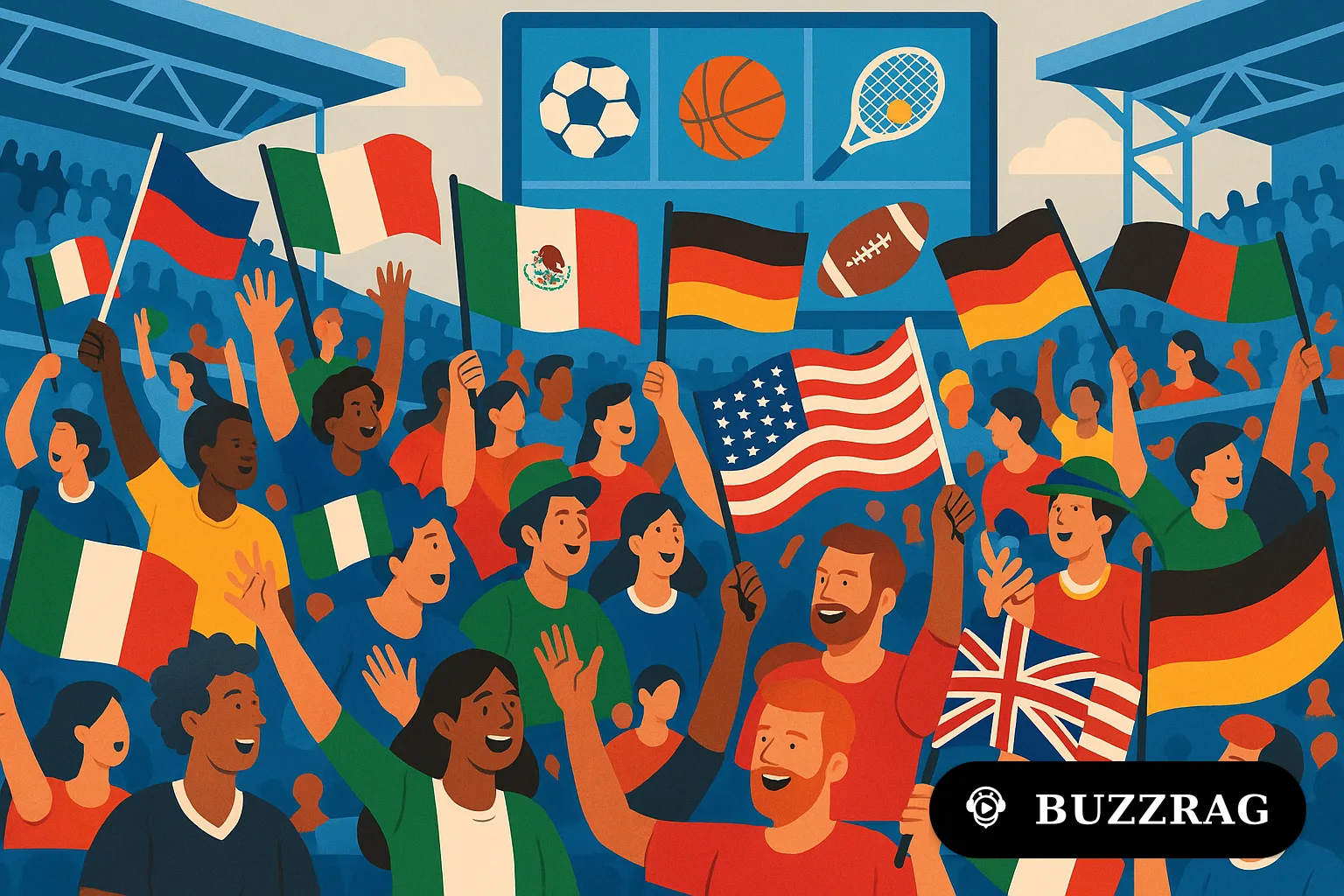
Today's sports landscape is marked by the intersection of global events and local impacts. The World Cup is not only drawing global attention but also boosting viewership for other sports like IndyCar. Meanwhile, legal challenges mount for Polymarket, highlighting the complexities of new market entrants.
World Cup Boosts IndyCar Ratings
Fox leveraged the global pull of the World Cup to significantly boost IndyCar viewership, achieving a 15-year high. The strategic scheduling of the Road America race immediately following the Spain vs. Saudi Arabia match attracted an impressive 1.8 million viewers.
This surge underscores the power of cross-promotional scheduling, particularly during international events with massive audiences. By positioning IndyCar in the slipstream of FIFA's global spectacle, Fox not only amplified the race's exposure but also potentially attracted a new demographic to motorsports.
With this tactic proving effective, networks may increasingly look to piggyback off international events to boost domestic sports ratings, potentially reshaping future broadcasting strategies.
Polymarket Faces Legal Challenges
Polymarket, a decentralized prediction market platform, is under scrutiny following a lawsuit alleging deceptive marketing practices. Since launching in the U.S. late last year, the platform has faced mounting legal challenges.
The lawsuit claims that Polymarket misled users about the risks and nature of their betting operations. This legal battle highlights the regulatory hurdles faced by new entrants in the financial tech space, particularly in a market as tightly controlled as the U.S.
As the case progresses, the outcome could set significant precedents for similar platforms, influencing both regulatory approaches and market strategies.
World Cup Fans Flock to MLB Games
The World Cup's presence in the United States has led to a unique crossover of sports fandom, with international fans attending MLB games in significant numbers. Notably, around 8,000 Scottish fans were present at a recent Miami Marlins game.
This influx demonstrates the World Cup’s capacity to draw diverse crowds to local sporting events, offering MLB teams a chance to reach international audiences. As these fans experience American baseball, MLB could explore strategies to convert this temporary interest into long-term support.
Such events highlight the potential for cross-cultural sports engagement, which may encourage leagues to develop initiatives that attract and retain global fans during major international tournaments.
Max McGee Discusses ESPN Departure
Former SportsCenter anchor Max McGee has publicly addressed his departure from ESPN, revealing that his firing followed an HR investigation. The details of the investigation remain undisclosed, but McGee’s comments have sparked discussions about employment practices in sports media.
This incident sheds light on the pressures and challenges faced by media professionals in a highly scrutinized field. ESPN, a major player in sports broadcasting, frequently finds itself navigating complex personnel issues amidst intense public and industry scrutiny.
The broader implications for ESPN and similar networks involve balancing transparency with privacy, especially as they manage high-profile talent and sensitive internal matters.
Exploring the U.S. During World Cup
As the World Cup group stage concludes, fans and analysts reflect on the tournament's impact across the United States. With the knockout stage imminent, the tournament's presence has transformed host cities into vibrant hubs of international culture and excitement.
This global event has not only showcased soccer's growing popularity in the U.S. but has also highlighted the logistical and cultural challenges of hosting such a massive undertaking. The infrastructure and organizational responses are critical as the country prepares for future international tournaments.
Looking ahead, the lessons learned from this World Cup could inform strategies for future events, ensuring both economic benefits and fan experiences are maximized.
As the World Cup continues to influence sports across the U.S., the intersection of global events and local markets remains pivotal. Looking forward, the strategies employed by leagues to leverage these events could redefine audience engagement and financial planning.