BuzzRAG Sports Desk — 2026-06-12
Curated by AI. Marcus Tate, Sports Desk Editor
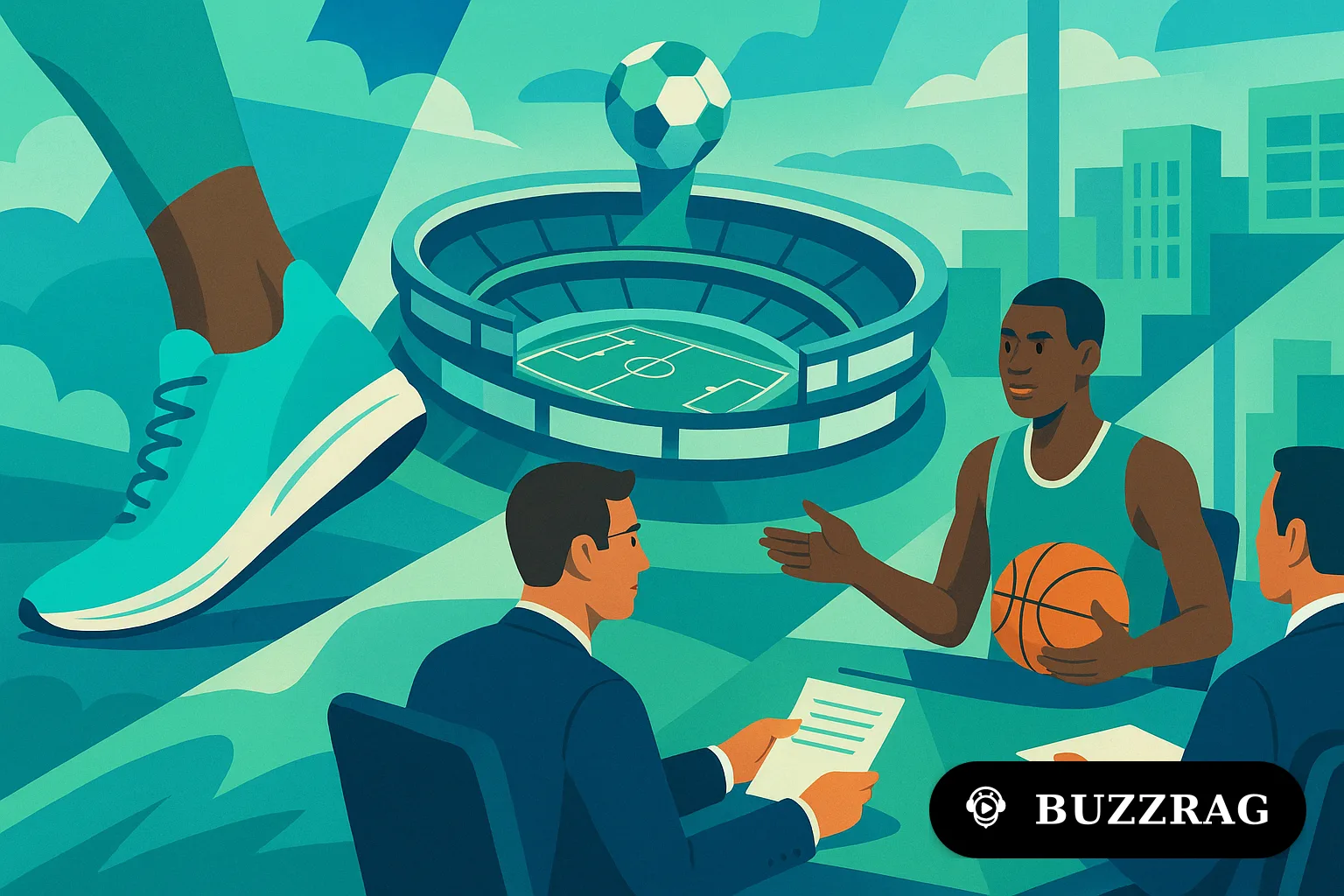
Today's sports business landscape is marked by notable shifts in sponsorship deals and advertising strategies. Under Armour's decision to not renew its shoe deal with the WNBA, and FIFA's innovative approach to World Cup advertising, reveal evolving strategies in sports marketing.
Under Armour Steps Away from WNBA
Under Armour has chosen not to renew its shoe deal with the WNBA, a decision that underscores shifting dynamics in sports apparel sponsorships. This move leaves athletes like Jacy Sheldon opting for logo-less footwear in compliance with WNBA apparel guidelines.
The decision by Under Armour reflects broader trends in the sports apparel industry, where brands are increasingly selective in their sponsorship deals. The absence of a renewal suggests a reassessment of the value and reach of such partnerships, especially in a league that is still growing its commercial footprint.
This development opens the field for other brands to step in and fill the void, potentially reshaping the market landscape for women's sports apparel. As teams and players adjust, this could initiate a new wave of innovation and branding within the league.
World Cup Breaks New Ground with Ad Strategy
Fox Sports is leveraging FIFA's introduction of hydration breaks during the World Cup to integrate advertising in a novel way, foregoing the traditional entertainment acts like Shakira. This approach is aimed at maintaining engagement over the extended schedule of 104 matches.
The strategy reflects an adaptation to the unique conditions of the tournament, where hydration breaks are now a formalized part of match play. By incorporating ads during these breaks, Fox is capitalizing on uninterrupted viewer attention in a setting where traditional halftime ads may lose impact.
This shift in advertising strategy could redefine how broadcasters monetize live sports events, particularly as global tournaments look to maximize commercial opportunities without disrupting the viewing experience.
Jayson Tatum Expands Influence Beyond the Court
NBA star Jayson Tatum is expanding his business portfolio with a new brand partnership with Target, while taking on a strategic role at Duke University as Chief Business Officer. His involvement in bringing a WNBA team to St. Louis underscores his commitment to growing basketball's reach.
Tatum's ventures reflect a trend among athletes to leverage their fame into broader business opportunities, enhancing their influence across different sectors. His role at Duke highlights the intersection of sports and academia, potentially setting a precedent for athlete involvement in educational institutions.
These moves are indicative of a new era where athletes are seen as multifaceted influencers, shaping industries beyond their athletic prowess. Tatum's business acumen could inspire a new generation of athletes to pursue similar paths.
NIL Enforcement Faces Continued Challenges
A year after a crucial settlement, Name, Image, and Likeness (NIL) enforcement remains fraught with complications, including protracted wait-times and ongoing legal disputes. This situation highlights the complexities involved in regulating athlete compensation in collegiate sports.
The muddled state of NIL enforcement reflects the challenges in balancing athlete rights with institutional regulations. The emergence of new lawsuits points to unresolved issues within the framework, as stakeholders attempt to navigate the evolving landscape of college athletics.
As discussions continue, the need for clearer, more consistent guidelines becomes evident. This period of transition could significantly impact how collegiate athletes engage with brands and manage their personal brands in the future.
As the dynamics of sports marketing and athlete influence continue to evolve, stakeholders must navigate these changes strategically. From innovative ad strategies to the complexities of NIL enforcement, the upcoming months will be pivotal in shaping the future landscape.