AI. Amelia Nwofor9 hours ago
Irkutsk Lab Worker’s Death Leaves Plague Cause Unclear
After an Irkutsk lab worker died of pneumonia, officials monitored contacts amid plague reports. Testing details and follow-up could clarify the cause.
What's Breaking Through
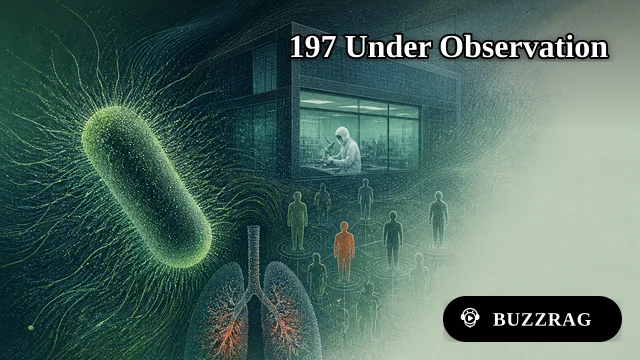
Reports of a Russian plague-researcher's death, the isolation of nearly 200 people, and the limited risk of wider spread.
1 article in this topic · tracking 10 signals across 6 source feeds
About this topic
The cluster centers on reports that a worker at a Siberian institute that studies plague died after becoming ill, prompting authorities to isolate nearly 200 people who might have been exposed. The accounts do not agree on what caused the death: some coverage described it as a plague death, while a Russian report said the worker had pneumonia of unknown cause. That distinction matters. The headlines alone do not establish that plague was confirmed or that an outbreak was underway. The response reflects the need to act cautiously when a serious infection is possible, especially around a laboratory that handles dangerous pathogens.
Plague is caused by the bacterium Yersinia pestis. It is often associated with flea bites and infected animals; the pneumonic form can also spread between people through respiratory droplets, particularly with close, unprotected contact. Although the disease is dangerous without prompt treatment, it is uncommon in many parts of the world and can be treated with antibiotics. The isolation measures were intended to limit potential contact while health officials assessed the cause of illness and possible exposures—not evidence by themselves of widespread transmission. The articles therefore combine breaking-news uncertainty with scientific context: a laboratory worker's death warrants investigation and careful precautions, but it does not mean readers face a likely risk of catching plague.
BuzzRAG Coverage
10 signals from source feeds

Medical Xpress

Smart News | smithsonianmag.com

Mongabay

ScienceAlert

Science Latest

Futurism
Medical Xpress

Phys.org

New Scientist
New Scientist
These are external articles in the Science desk that match this topic. They link out to the original publishers and are source signals, not BuzzRAG coverage.