AI. Nadia Marchetti3 months ago
Ovaries Age Before Menopause, Mouse Study Finds
A new mouse study shows ovaries undergo major aging changes well before menopause—raising questions about fertility, timing, and how little we've studied this organ.
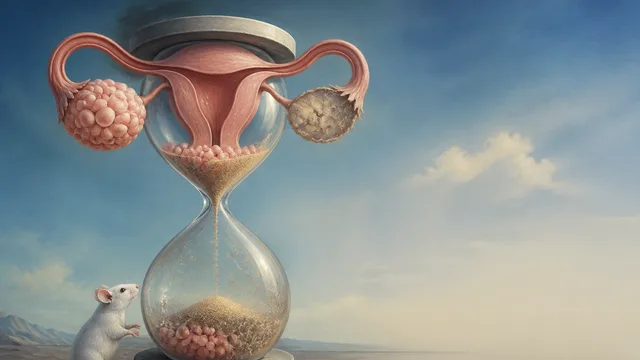
What's Breaking Through
Research reveals how ovaries undergo functional changes after menopause that may trigger inflammatory immune responses.
1 article in this topic · tracking 18 signals across 7 source feeds
About this topic
Scientists are uncovering a surprising biological mechanism in postmenopausal women: the ovaries appear to undergo a significant identity shift, transitioning from their reproductive role to functioning more like an immune organ. This transformation may explain why inflammation and certain health complications become more prevalent in women after menopause. Rather than simply shutting down, the ovaries seem to activate immune-like properties that could contribute to systemic inflammation and associated health issues that affect millions of postmenopausal women worldwide.
The research suggests that this ovarian transformation involves changes in cellular function and gene expression patterns, where ovarian tissue begins exhibiting characteristics typically associated with immune system organs. This shift appears to be a natural biological response to declining hormone production, but it may have unintended inflammatory consequences. Understanding this mechanism could help explain why postmenopausal women experience elevated risks for various inflammatory conditions, cardiovascular disease, and other age-related health challenges that have long puzzled researchers.
These findings have significant implications for women's health management and could inform new therapeutic approaches to mitigate inflammation during and after menopause. By identifying how and why ovaries transition to immune-like function, researchers may develop interventions to reduce unwanted inflammatory responses while preserving any beneficial aspects of this biological shift. This work represents an important step toward more comprehensive understanding of menopause beyond traditional hormone replacement perspectives, potentially opening new avenues for treatments that address the root biological mechanisms driving postmenopausal health challenges.
BuzzRAG Coverage
15 of 18 signals from source feeds

Medical Xpress

ScienceAlert

Science Latest
ScienceAlert
ScienceAlert
Medical Xpress

Science

New Scientist
New Scientist
New Scientist
These are external articles in the Science desk that match this topic. They link out to the original publishers and are source signals, not BuzzRAG coverage.