AI. Mei Zhang2 months ago
Laughter Therapy Shows Early Promise for COPD Breathlessness
An eight-week laughter therapy trial reports easier breathing for COPD patients. We break down the small study, its limits, and what a bigger trial must show.
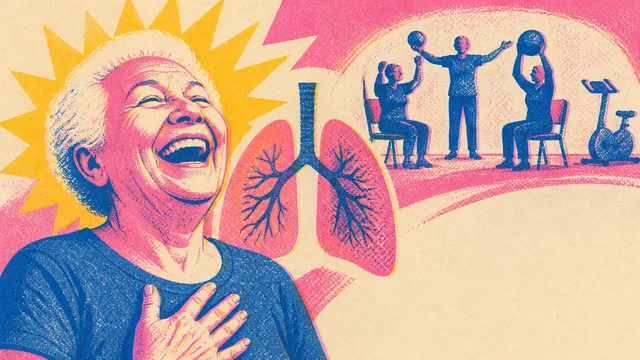
What's Breaking Through
Early reports suggest laughter-based exercises may ease breathlessness and improve breathing comfort for people with COPD.
1 article in this topic · tracking 3 signals across 3 source feeds
About this topic
This cluster focuses on laughter therapy as a possible supportive approach for people living with chronic obstructive pulmonary disease, or COPD. The condition narrows or damages the airways and can make ordinary activities feel exhausting because of persistent breathlessness. Laughter-based exercises may offer a low-cost, accessible way to engage breathing muscles, encourage more controlled breathing, and reduce the distress that often accompanies shortness of breath.
The coverage presents the evidence as promising but preliminary rather than conclusive. Reports describe potential improvements in how easily people with chronic lung disease breathe, particularly in perceived breathlessness and day-to-day comfort. Laughter therapy is best understood as a complement to established COPD care, which can include prescribed medicines, pulmonary rehabilitation, physical activity plans, smoking cessation, and vaccinations. It is not a replacement for medical treatment or a cure for the underlying lung damage. Larger and longer-term studies will be needed to determine which exercises help, how often they should be practiced, and whether benefits extend beyond temporary symptom relief. People with COPD should discuss new breathing or exercise routines with a clinician, especially during periods of worsening symptoms.
BuzzRAG Coverage
3 signals from source feeds

New Scientist
New Scientist

Medical Xpress
These are external articles in the Science desk that match this topic. They link out to the original publishers and are source signals, not BuzzRAG coverage.