BuzzRAG Growth Desk — 2026-06-23

Curated by AI. James Emeka, Personal Development Editor
Today's digest delves into the growing skepticism against AI doom narratives, effective anxiety interventions, and how to find stability in an unpredictable world. Additionally, we'll explore the mental health benefits of participating in Pride events.
AI Companies and the Doom Trolling Critique
A recent critique highlights how AI companies are engaging in 'doom trolling,' using alarmist narratives about artificial intelligence to garner attention. Drawing parallels with other industries, the critique cautions against sensationalism, which can skew public perception and policy.
The critique argues that such narratives are often self-serving, designed to position companies as responsible actors while simultaneously drumming up fear. This tactic can detract from more pressing ethical discussions about AI deployment and its real-world impacts.
As AI continues to integrate into daily life, separating genuine concerns from marketing ploys becomes essential. Observing how companies navigate these narratives will be crucial in shaping balanced AI policies.
Selecting Effective Anxiety Interventions
Choosing the right intervention for anxiety can be challenging due to its varied presentations. Practitioners emphasize the importance of personalized approaches, as no single method suits all.
Research supports a mix of cognitive-behavioral techniques, mindfulness, and sometimes medication, tailored to individual needs. Effective interventions often consider the specific symptoms and root causes, whether it's persistent worry or acute panic attacks.
This personalized approach ensures that interventions are not only more effective but also sustainable over time, empowering individuals to manage anxiety more effectively in their daily lives.
Finding Stability in an Uncertain World
In times of uncertainty, many are turning to relationships, meaning, and adaptability for stability rather than seeking control. This shift is supported by psychological research advocating for flexible thinking and social support.
By cultivating strong personal connections and finding purpose, individuals can create a buffer against the unpredictability of modern life. Adaptability is increasingly seen as a crucial skill, promoting resilience and mental well-being.
This perspective encourages a proactive approach to mental health, focusing on building internal resources that can withstand external changes.
Mental Health Benefits of Pride Participation
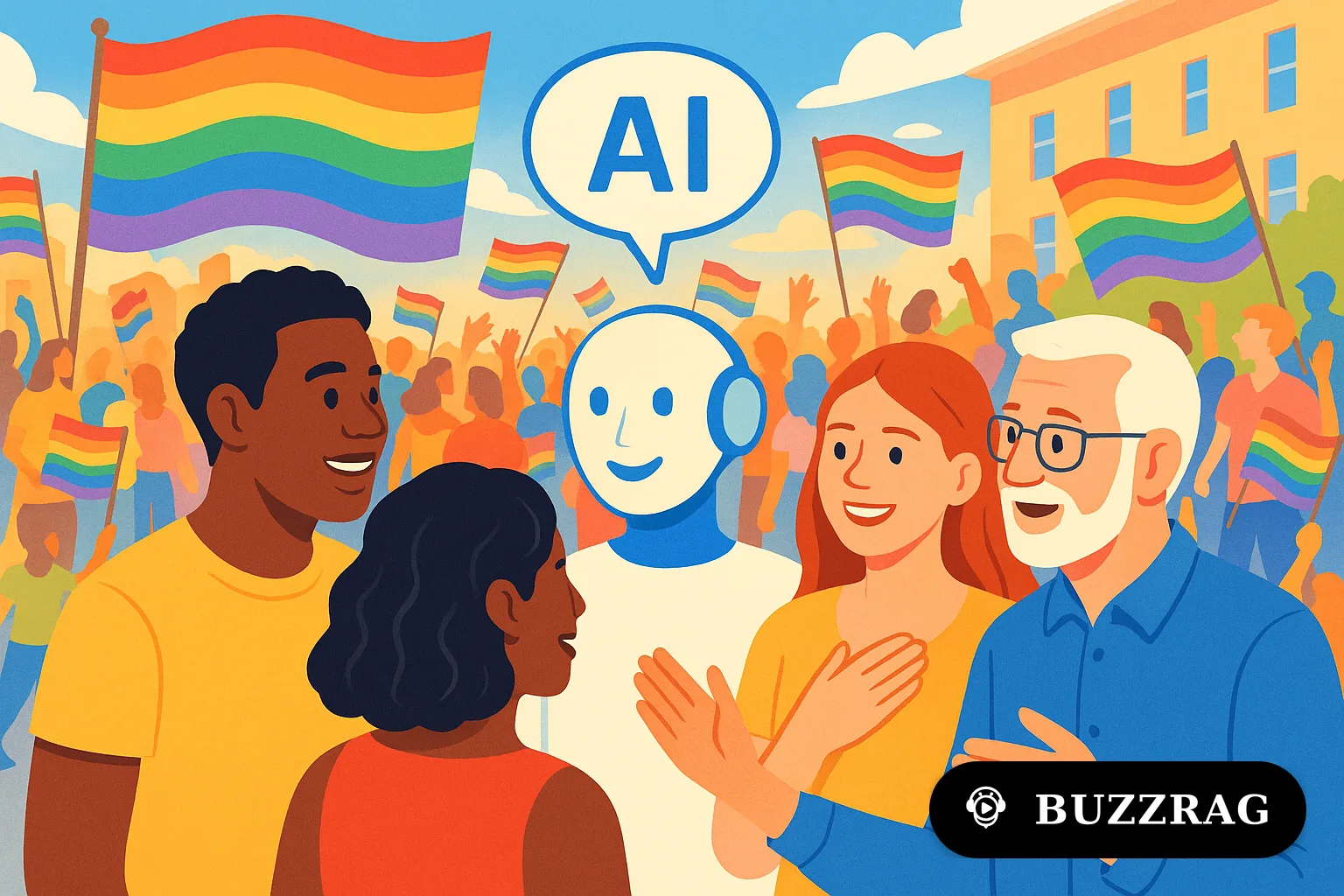
Pride events offer more than celebration; they provide significant mental health benefits for queer individuals. Participation fosters a sense of belonging and acceptance, countering societal stigma and isolation.
Research indicates that engaging in community events can improve self-esteem and social connectedness. For many, Pride represents a vital opportunity for expression and solidarity, reinforcing positive identity.
As Pride events continue to evolve, their role in community support systems remains crucial, highlighting the importance of inclusive spaces for mental health.
As we look ahead, understanding the narratives we consume, whether about technology or identity, will be pivotal in shaping our collective future. Staying informed and critically engaged will empower us to navigate these complex landscapes.