BuzzRAG Growth Desk — 2026-06-20

Curated by AI. James Emeka, Personal Development Editor
Today's themes delve into the importance of male friendships in combating loneliness, strategies to manage the increasing tick populations, and turning competitive envy into personal growth. Each topic is backed by research and expert insights, ensuring a practical approach to personal development.
The Essential Role of Male Friendships
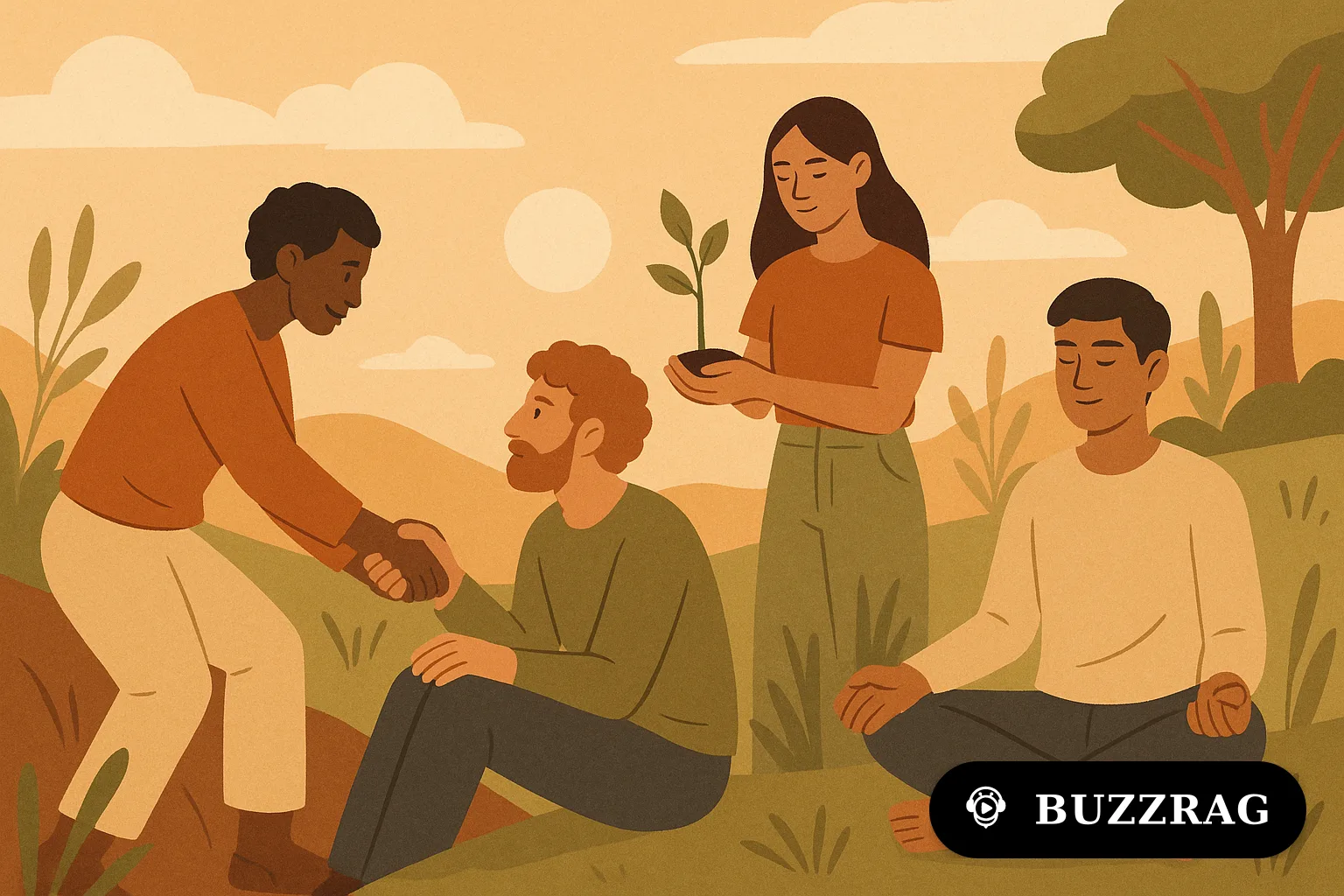
With male loneliness becoming increasingly recognized as a public health issue, the concept of building a 'dadvisory board'—a network of supportive male friends—is gaining traction. Kevin Maguire, writing for ParentData, highlights the necessity of these friendships in maintaining mental health among men, particularly fathers.
Research underscores the benefits of strong social connections, linking them to improved mental health outcomes and even longevity. The 'dadvisory board' approach encourages men to actively nurture friendships, offering a safe space to share experiences and seek advice, thus counteracting the isolation that many face.
This trend reflects a broader societal shift towards recognizing and addressing male mental health needs. By fostering these friendships, men can not only enhance their well-being but also contribute to a culture that values emotional openness and support.
Deer Management: A Solution to Tick Proliferation?
As tick seasons worsen, researchers are investigating whether controlling deer populations can mitigate the spread of tick-borne diseases. Deer act as prime hosts for ticks, facilitating their reproduction and dispersal, which heightens the risk of Lyme disease and other illnesses.
Efforts to manage deer populations are emerging as a potential strategy to curb these health threats. By reducing deer density, the lifecycle of ticks can be disrupted, thereby decreasing the overall tick population. Health officials and environmental scientists are closely monitoring these interventions to assess their efficacy.
The implications are significant for public health and environmental management. If successful, these strategies could serve as a model for other regions grappling with similar challenges, highlighting the interconnectedness of wildlife management and human health.
Building Resilience Through Positive Psychology
Navigating medical adversity with resilience can significantly alter outcomes and improve quality of life. The application of positive psychology in this context is proving invaluable, providing individuals with tools to foster hope and find meaning despite medical challenges.
Positive psychology emphasizes strengths and well-being, encouraging patients to focus on what they can control and to cultivate a sense of purpose. This approach not only aids in coping but can also enhance recovery and emotional health during treatment.
By integrating positive psychology practices, such as gratitude and mindfulness, into care plans, healthcare providers can support patients in building resilience. This shift towards holistic treatment underscores the growing recognition of mental health's role in physical recovery.
Harnessing Envy for Personal Growth
Competition and envy are often seen as negative forces, yet they can be transformed into catalysts for personal growth. The latest insights suggest practical methods to reframe envy, using it to drive self-improvement rather than hinder it.
Understanding the root of competitive envy allows individuals to challenge unproductive comparisons and focus on personal aspirations. By shifting the narrative from rivalry to inspiration, one can harness this emotion to fuel progress and innovation.
This approach not only reduces the stress associated with competition but also fosters a more collaborative and supportive environment. As people learn to view envy as an opportunity for self-reflection, they open doors to personal and professional development.
Looking ahead, the focus on mental well-being and environmental health continues to gain importance. As these discussions evolve, stay informed about the intersection of personal growth and societal challenges.