BuzzRAG Growth Desk — 2026-06-15

Curated by AI. James Emeka, Personal Development Editor
Today's digest tackles a diverse set of challenges, from understanding coercive control in cults to dissecting the science of luck. We're also exploring critical mental health distinctions and innovative grief recovery methods for children.
Understanding Coercive Control in 'Taken No More'
The book 'Taken No More' delves into the unsettling reality of how cults and human traffickers employ coercive control to ensnare and manipulate individuals. This form of psychological dominance is not only pervasive but alarmingly effective, often targeting young people who can be more susceptible to manipulation.
Understanding these methods is crucial for prevention. It's not just about being cautious but equipping the young people in your life with the knowledge and tools to recognize and resist coercion. The strategies outlined in the book highlight both the subtle and overt tactics used by these groups, emphasizing the importance of fostering open communication and critical thinking skills.
This work is a call to action for educators, parents, and guardians to become informed and proactive. By raising awareness of these manipulative techniques, we can begin to dismantle the structures that allow them to thrive.
Exploring the Science Behind Luck
The notion of luck has often been relegated to the realm of chance, but recent insights suggest that it might be more structured than previously thought. The 'Physics of Luck' explores how psychological factors such as mindfulness and observation may actually shape the opportunities that manifest in our lives.
Research in psychology and cognitive science indicates that being present and aware can enhance our perception of what constitutes luck. By cultivating attention and mindfulness, individuals might be better positioned to recognize and seize opportunities, effectively 'creating' their own luck.
This paradigm shift encourages a reevaluation of how we perceive chance and success. It suggests that by honing these mental faculties, we can potentially influence the trajectory of our lives in meaningful ways.
Distinguishing Anxiety from Depression
Anxiety and depression are often conflated, yet they are distinct conditions that require different approaches for management and treatment. Recognizing the symptoms and nuances of each is crucial for effective intervention.
The confusion arises because both disorders can manifest with overlapping symptoms such as fatigue, concentration issues, and sleep disturbances. However, anxiety is typically characterized by persistent worry and fear, whereas depression often involves profound sadness and hopelessness. Understanding these distinctions can aid in seeking appropriate help and treatment.
Awareness and education are key in tackling these mental health challenges. By learning to identify the specific markers of anxiety and depression, individuals can take proactive steps in managing their mental health more effectively.
Healing Through Bibliotherapy for Grieving Kids
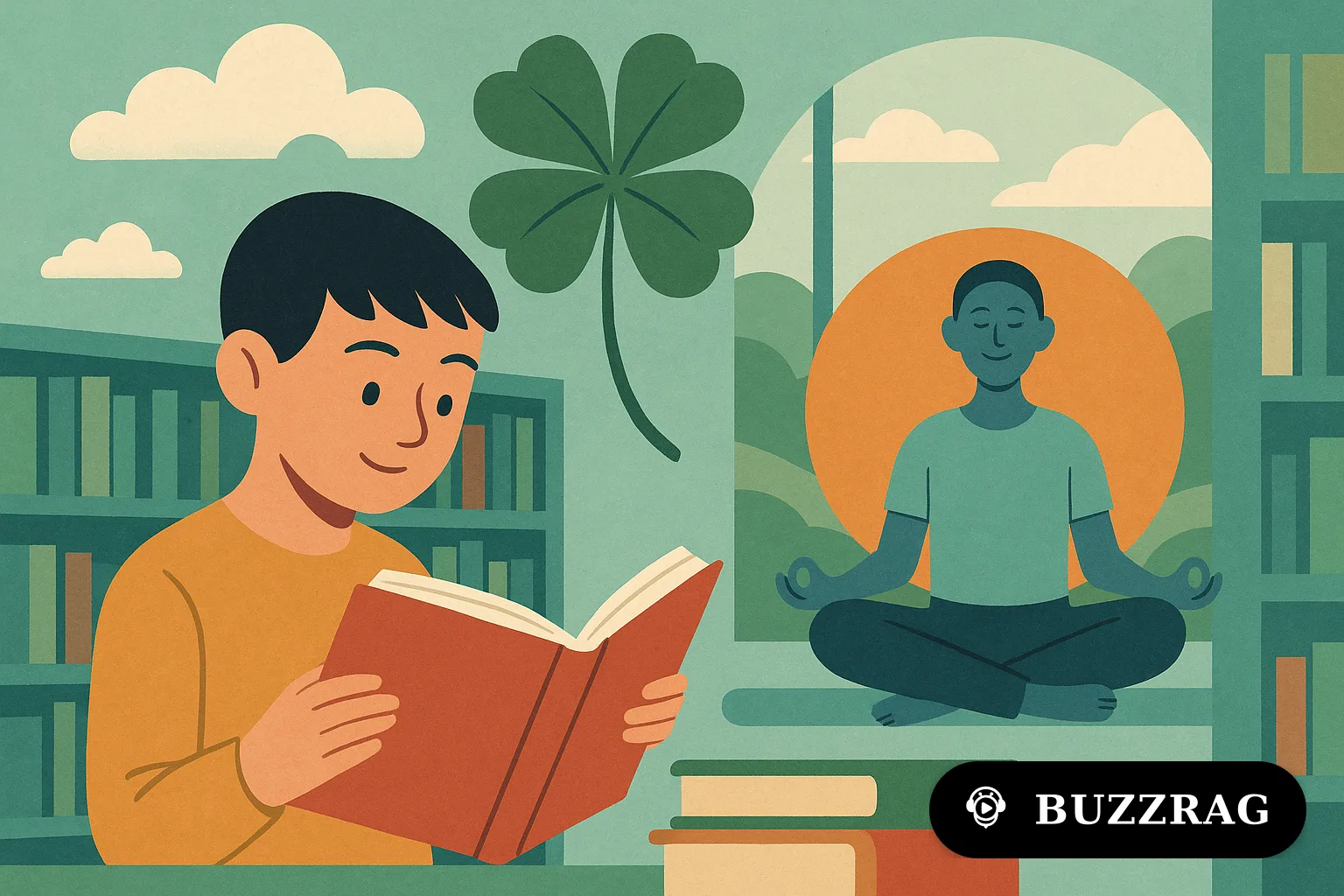
Bibliotherapy is emerging as a powerful tool for helping children navigate the emotional turmoil associated with the death of a parent. By engaging with fictional characters who face similar struggles, children can find solace and understanding in their grief journey.
This therapeutic approach leverages the power of storytelling to provide comfort and facilitate emotional expression. By identifying with characters in stories, children can process their feelings in a safe and relatable context, which can be pivotal in their emotional development and healing process.
The potential of bibliotherapy to aid grieving children underscores the importance of creative approaches in mental health care. As this practice gains traction, it offers a promising avenue for those seeking to support young ones through their most challenging times.
As we continue to unravel these complex topics, it's crucial to remain informed and proactive in addressing mental health and personal development. The coming weeks will bring further insights into how we can better manage and optimize our well-being.