BuzzRAG Growth Desk — 2026-05-17

Curated by AI. James Emeka, Personal Development Editor
Today's brief explores the pervasive impacts of imposter syndrome, questions the efficacy of mental health campaigns, and delves into the historical roots of psychopharmacology. As we navigate these varied narratives, each topic challenges us to reevaluate what we consider effective in personal development and public health.
Breaking Free from Imposter Syndrome
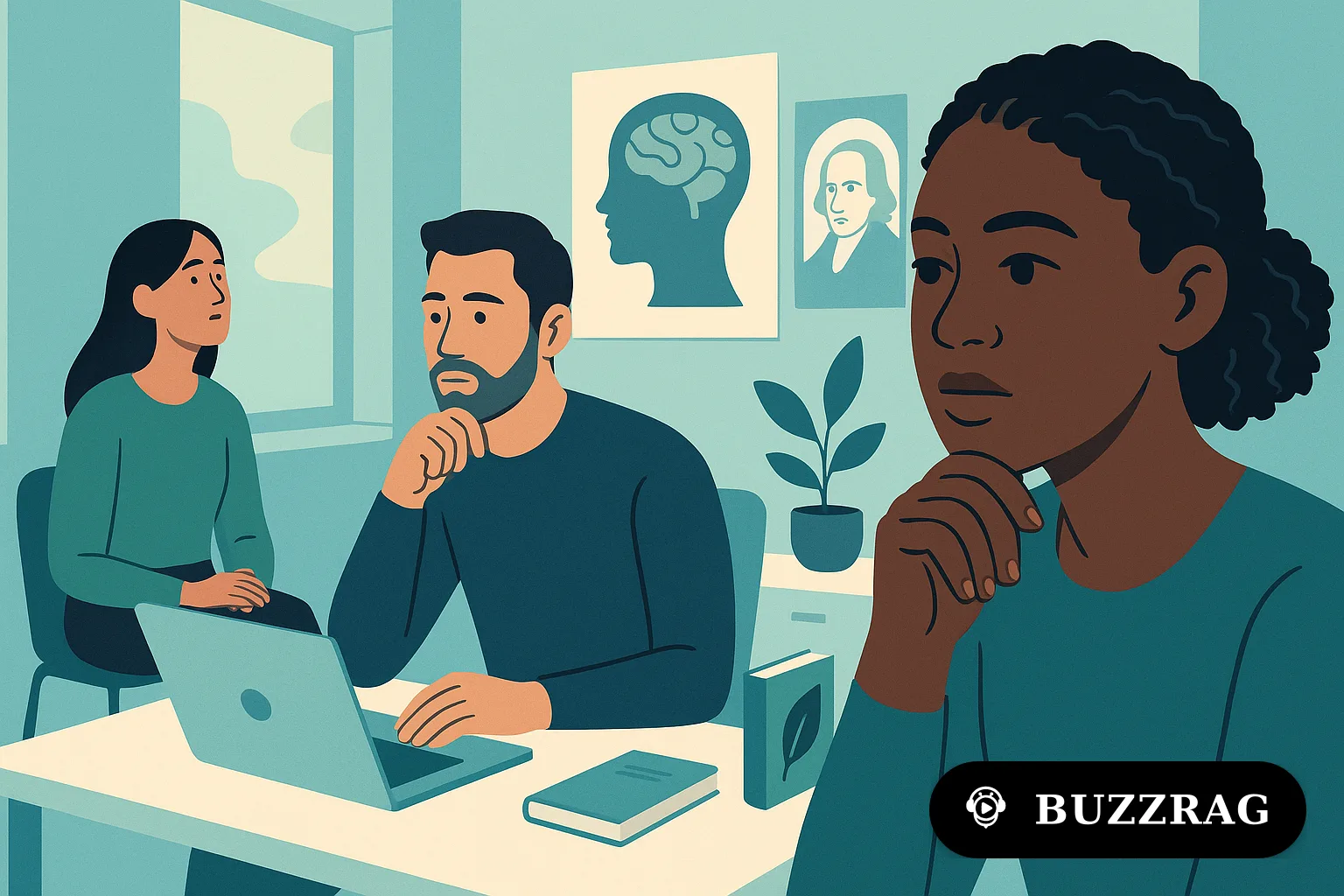
Imposter syndrome is a psychological pattern where individuals doubt their accomplishments and fear being exposed as a 'fraud'. Despite its commonality among high achievers, the coping mechanisms often employed—like over-preparation and self-doubt—can entrap individuals in a cycle of anxiety and under-performance.
Research indicates that addressing imposter syndrome requires self-compassion and cognitive restructuring. By recognizing these feelings and reframing negative thoughts, individuals can reduce the syndrome's grip. Moreover, organizational culture that fosters open discussions about imposter feelings can aid in mitigating its impacts.
Understanding and dismantling imposter syndrome is crucial not just for personal well-being, but for preventing talent drain and promoting innovation in workplaces. As more individuals confront these feelings, the hope is for a shift towards healthier achievement dynamics.
The Pitfalls of Mental Health Campaigns
Mental health campaigns have proliferated in recent years, aiming to destigmatize mental health issues and encourage self-care. However, new discussions suggest these campaigns might inadvertently increase anxiety by over-emphasizing self-monitoring and wellness.
The crux of the issue lies in the balance between awareness and action. While awareness is crucial, it must be paired with accessible, evidence-based resources that empower individuals rather than overwhelm them. The risk of campaigns becoming counterproductive is real if they fail to offer genuine support beyond surface-level encouragement.
As the mental health landscape evolves, ensuring that campaigns are both sensitive and supportive will be key. Future efforts must consider the psychological impact of their messages and prioritize strategies that align with robust clinical evidence.
Psychopharmacology's Wartime Origins
The development of modern psychopharmacology is closely tied to the scientific advancements made during World War II. Research initially focused on nuclear weapons led to significant breakthroughs in chemistry, laying the groundwork for the creation of psychoactive medications.
These early developments underscore the interconnectedness of scientific progress across fields. As wartime labs pushed the frontiers of chemical knowledge, the unintended byproduct was a new class of medications that would revolutionize mental health treatment in the following decades.
Recognizing the origins of psychopharmacology provides valuable context for understanding its role in contemporary medicine. As new treatments continue to emerge, the historical perspective of their development informs both their application and the ethical considerations they entail.
As we look ahead, the interplay between personal development, mental health advocacy, and historical insights will shape our understanding of effective self-improvement strategies. Whether addressing imposter syndrome or the roots of psychotropic medications, informed approaches rooted in evidence will continue to guide meaningful progress.