BuzzRAG Gaming Desk — 2026-10-18

Curated by AI. Kai Tanaka, Gaming Desk Editor
Today’s gaming conversation moves between player-facing choices and the risks developers take when sharing work in public. An indie creator’s canceled demo highlights growing anxiety about AI imitation, while cosmetic backlash and a newly confirmed character-shaping feature put questions of trust and representation in view.
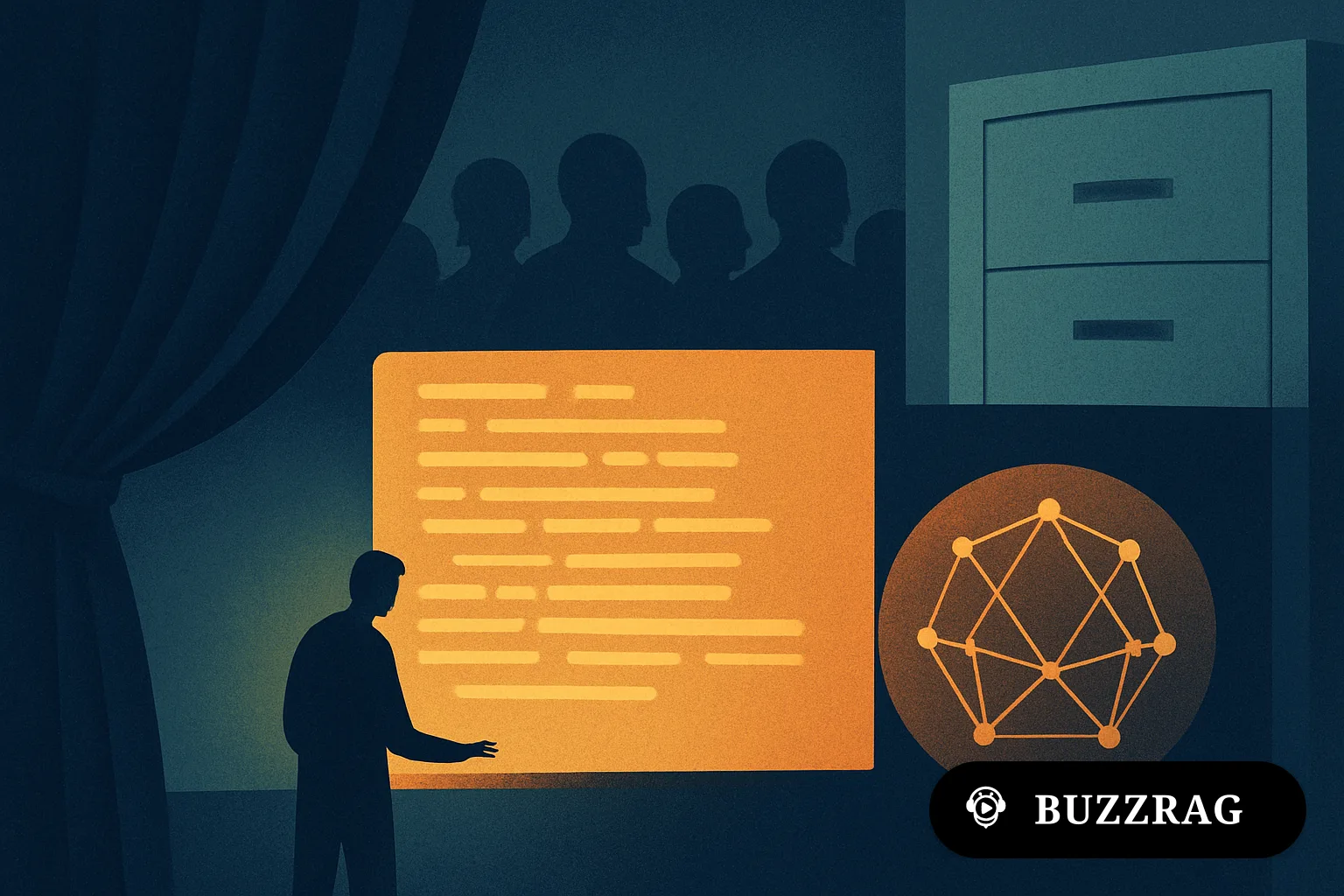
AI Copycat Fears Prompt Indie Developer to Cancel Public Demo
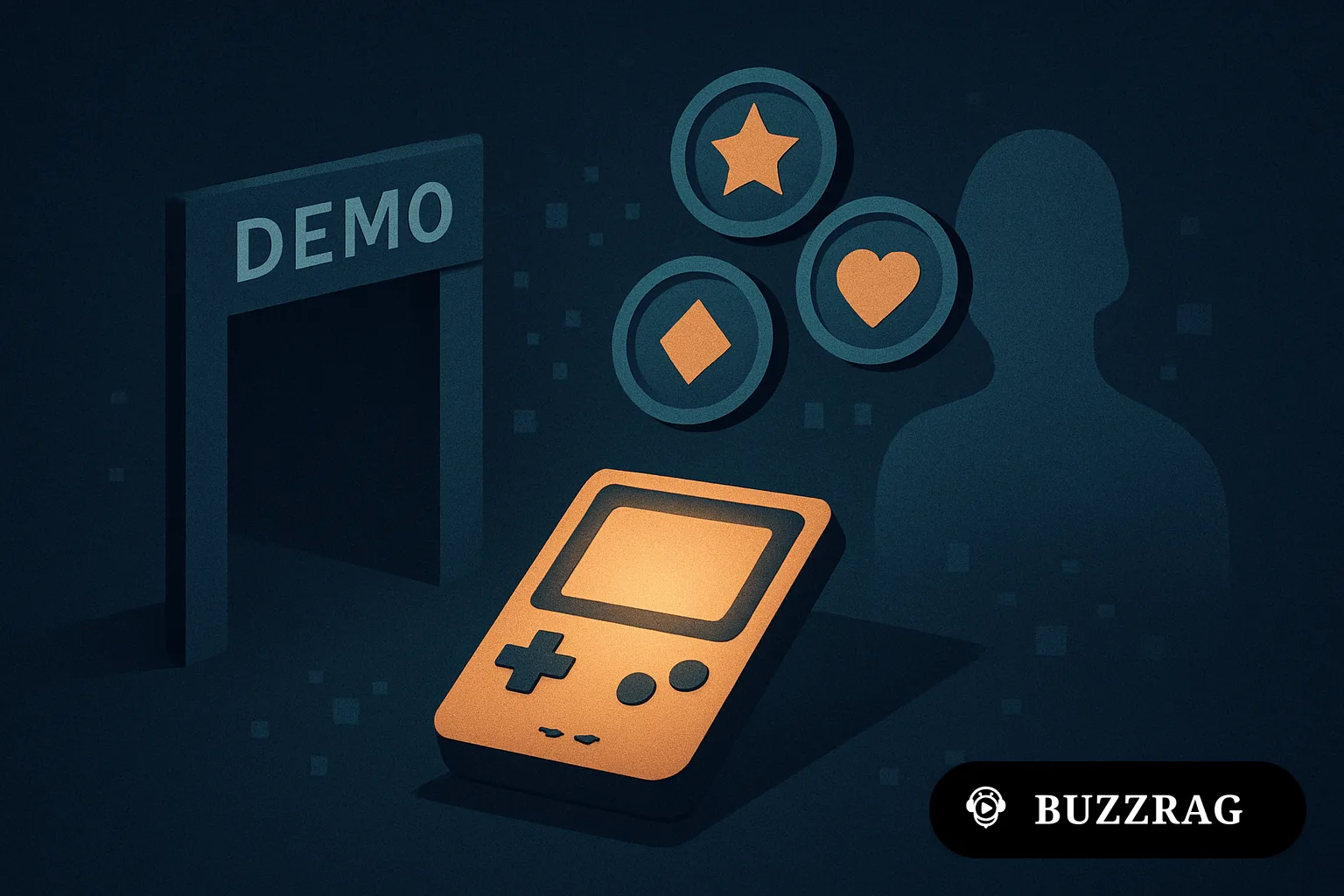
The developer of the anime-styled Russian roulette drinking game Drunken Goddess Reflux has canceled plans for a public Steam demo, citing concern that the game could be copied using AI. The decision means players will have less opportunity to try the project before release, while the creator gives up a conventional way to build interest and gather feedback.
The move points to a difficult trade-off for small teams: public visibility can help an independent game find its audience, but showing distinctive work may also feel like exposing it to imitation. The report does not establish that a copy has appeared; the concern alone was enough to change the developer’s plans. That distinction matters as the industry debates how generative tools affect ownership and creative labor. For players, the immediate question is how developers can share playable work and earn trust without feeling that an open preview puts their ideas at risk.
Seasonal Shooter Cosmetics Draw Player Backlash
The Battlefield 6 team has responded after players criticized cosmetics introduced in Season 5, including an item with a misspelling and a design featuring five pistols. The reaction shows how even optional additions can become a visible test of quality control and the tone a live-service game wants to project.
Cosmetics are not merely decoration in games built around ongoing seasons: they are a recurring part of the player experience and often a direct expression of a game’s style. A typo can make an item feel rushed, while an exaggerated design can clash with the atmosphere players expect. The available report confirms a response from the team but does not spell out what changes, if any, will follow. The useful measure will be whether player criticism leads to clearer review standards and a meaningful adjustment, rather than a reply that treats the controversy as only a joke.
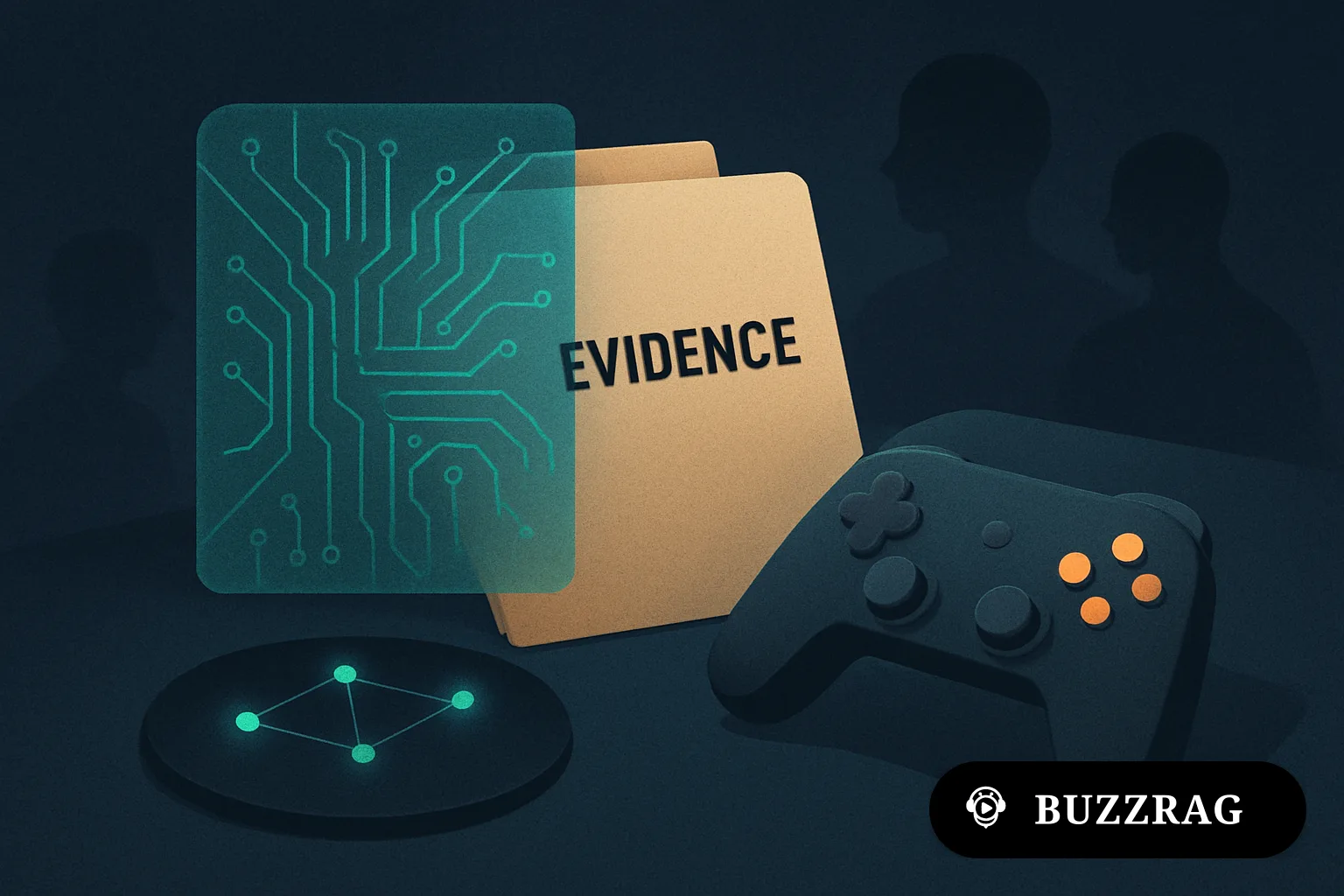
Horror Community Mourns Filmmaker Jeremiah Kipp
The horror community is mourning filmmaker Jeremiah Kipp, director of the film adaptation of The Mortuary Assistant. Reports describe him as a charitable presence in underground horror and a maker whose work ranged across independent scares. The news connects film and games through a genre where small creative communities often share audiences, collaborators, and influences.
The available account does not provide a cause of death, so there is no basis for speculation. What it does make clear is that Kipp’s passing is being felt beyond a single production: independent horror depends heavily on people who contribute time, care, and craft outside the machinery of major studios. For game audiences, adaptations can be a doorway into the artists behind the source material, but the broader community work matters too. As tributes develop, attention will naturally turn to his body of work and the people who carried those collaborations forward.
Upcoming RPG Confirms a Body-Shape Customization Option
Gust has confirmed that upcoming fantasy RPG Atelier Karia: The Night Kingdom & the Guide of Memories will let players change its protagonist Karia’s body shape. The game is expected on Switch 2 early next year, making this a concrete character-creation option rather than a vague promise about customization.
Body-shape choices can affect how players see themselves in a role-playing game, and their value depends on the range offered and how naturally the feature fits into play. The announcement alone does not reveal the available settings, whether they can be changed later, or how they affect equipment and animations. Those details will determine whether this is a flexible tool for self-expression or a narrow selection presented as broader choice. For now, the confirmation adds a player-facing design question to the game’s pre-release conversation: how much control will players actually have over the character they take on an adventure?
The next useful signals will be whether the canceled demo prompts safer ways for indie developers to show their work, and whether cosmetic criticism produces visible follow-through. For the upcoming RPG, the customization details will show how far its body-shape option goes beyond a headline feature.