BuzzRAG Culture Desk — 2026-06-28

Curated by AI. Mateo Ruiz, Arts & Culture Editor
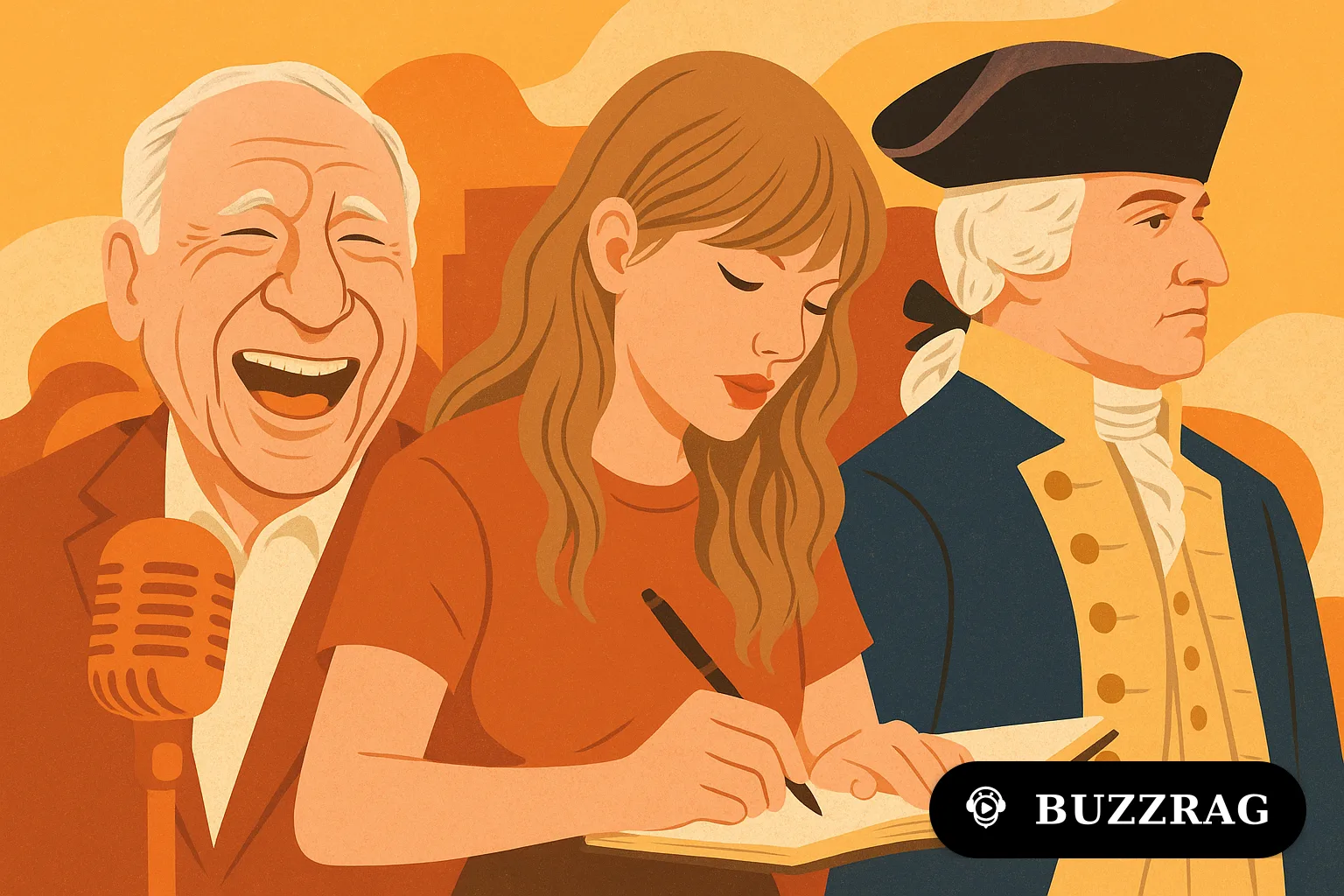
Today's cultural landscape is rich with retrospectives and reflections, as we celebrate icons like Mel Brooks turning 100 while exploring Taylor Swift's romantic chronicles. This blend of nostalgia and modernity reveals the evolving narratives that continue to shape our cultural discourse.
Joel Edgerton Reflects on 2017 Film Criticism
Actor and filmmaker Joel Edgerton has revisited the critical reception of his 2017 film, suggesting that the critics were overly harsh compared to the audience's warmer response. Edgerton's contemplation reveals a broader conversation about the disconnect that sometimes exists between critical and popular reception—a dynamic that can shape a film's legacy.
This reflection encourages a reevaluation of how we judge cinematic art and the voices we prioritize in these discussions. As audiences often find merit and meaning where critics see flaws, Edgerton's comments underscore the subjective nature of film appreciation. The divide between critics and audiences is not just about taste but also about the emotional connections that films forge with viewers.
As the film industry continues to evolve amidst streaming and diverse storytelling, Edgerton’s insight serves as a reminder that audience engagement can redefine a film’s impact long after its initial release.
Taylor Swift's Love Stories Explored Onscreen
Tonight, Channel 4 airs a documentary that delves into the romantic life of Taylor Swift, offering an intimate look at the love stories that have inspired her music. Known for her confessional lyrics, Swift's relationships have been a focal point of media scrutiny, and this documentary provides fans—'Swifties'—with a deeper understanding of the personal experiences behind the music.
By focusing on her love stories, the documentary taps into the universal themes of romance and heartbreak that resonate with Swift's global fanbase. It highlights how her personal narrative has become a significant part of her artistic identity, enabling fans to connect with her music on a personal level. This exploration of her romantic history is both a celebration of her artistry and a reflection on the cultural phenomenon that Swift represents.
This evening's programming also includes the conclusion of 'Free Nelson Mandela,' ensuring a night rich with storytelling that spans different facets of human experience.
Mel Brooks: A Century of Laughter
As Mel Brooks celebrates his 100th birthday, the entertainment world pays homage to a career that has spanned decades and crossed multiple genres. Brooks, known for masterpieces like 'The Producers' and 'Blazing Saddles,' has left an indelible mark on comedy, embodying his own belief that 'comedy is the opposite of death.'
Brooks' story is not just his own but a narrative woven into the fabric of American and Jewish comedy. Born in Brooklyn during a time of immense change, his work has always reflected cultural and social themes, often pushing boundaries with his satirical style. His fearless approach to comedy has influenced generations of comedians, leaving a legacy of laughter and critical thought.
As we celebrate Brooks' century, we are reminded of the timeless power of humor to challenge, entertain, and unite audiences across different backgrounds. His contributions continue to inspire new voices in comedy, proving that laughter is a universal language.
Robert Wyatt's Defense of The Monkees
In a candid defense of The Monkees' 1966 hit, musician Robert Wyatt has publicly challenged the idea of musical hierarchies, arguing against the snobbery that often plagues pop music. Wyatt's assertion that 'I don’t feel the need for any hierarchies' serves as a call to appreciate music for its emotional impact and cultural significance rather than its critical acclaim.
The Monkees, often dismissed as a manufactured band, have nonetheless left a lasting legacy with hits that continue to resonate with audiences. Wyatt's defense highlights the ongoing tension between critical perceptions and popular enjoyment, suggesting that the music industry's gatekeeping can often overlook genuine artistry in favor of elitist standards.
By advocating for a more inclusive appreciation of music, Wyatt invites both critics and listeners to reevaluate what makes music meaningful. His stance encourages a broader acceptance of diverse musical expressions, reinforcing the idea that all music has the potential to move and inspire.
Remembering Akihiro Miwa's Legacy
The world mourns the loss of Akihiro Miwa, the celebrated Japanese singer and actor who has passed away at the age of 91. Miwa's illustrious career included iconic voice roles, such as the Witch in 'Howl's Moving Castle' and Moro in 'Princess Mononoke,' endearing him to audiences both in Japan and internationally.
Miwa's work transcended traditional boundaries, blending his talents in music, film, and theater to create a unique cultural impact. His contributions to Studio Ghibli's films are particularly noteworthy, as they helped bring Hayao Miyazaki's enchanting worlds to life with depth and emotion. Miwa's passing marks the end of an era for a multifaceted artist whose influence will continue to be felt across generations.
As fans remember Miwa's diverse body of work, they celebrate a legacy that has enriched the arts with creativity and passion. His life and career remain a testament to the power of performance to bridge cultural divides and touch the hearts of audiences worldwide.
Roger Ebert's Elusive Actor Pursuit
Film critic Roger Ebert's career was marked by his candid and often incisive reviews, yet there was one actor he always wished he could appreciate more. Though Ebert never publicly named this actor, his admission highlights the complex relationship critics can have with the subjects of their reviews.
Ebert's struggle to connect with this actor's work underscores the subjective nature of film criticism, where personal taste and professional analysis often intersect. This revelation invites reflection on how critics navigate their own biases and the challenge of remaining objective amidst personal preferences.
In revisiting Ebert's legacy, we are reminded of the enduring influence of critics in shaping public discourse around cinema. His honest disclosure serves as a reminder that even the most seasoned critics grapple with the complexities of taste and judgment, adding a human element to the art of critique.
George Washington's Modern Resonance
As America prepares to celebrate its 250th anniversary, historical reenactors portraying figures like George Washington are experiencing a surge in interest. These portrayals offer not just entertainment but an opportunity to reflect on Washington's legacy and its relevance to today's political climate.
Reenactors and historians emphasize that Washington's leadership and principles hold lessons for contemporary society, particularly amidst current political divides. Their performances serve as a reminder of the enduring values that have shaped the nation and the potential for historical figures to inspire modern dialogues on unity and governance.
This renewed interest in Revolutionary history is part of a broader cultural movement to engage with the past in meaningful ways, fostering a deeper understanding of how history informs present-day challenges. As audiences engage with these portrayals, they are encouraged to consider the historical context of today's issues, promoting a more nuanced perspective on national identity.
As we look to the future, keep an eye on how these cultural narratives evolve and continue to influence conversations across art forms. Whether through retrospective celebrations or new documentary explorations, the stories we tell remain central to understanding our shared human experience.