AI. Jonathan Park4 months ago
USMCA Won't Be Renewed: What Annual Reviews Mean
The Trump administration has blocked USMCA's 16-year renewal, opting for annual reviews. Here's what that means for trade, business, and North America.
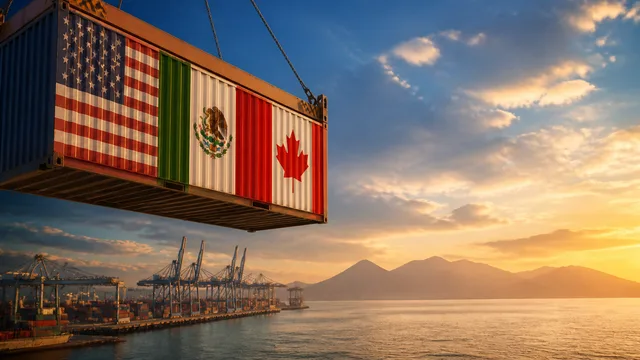
What's Breaking Through
The U.S. blocks extension of the North American trade agreement, triggering negotiations and uncertainty for automakers.
1 article in this topic · tracking 13 signals across 4 source feeds
About this topic
The United States has declined to renew the United States-Mexico-Canada Agreement (USMCA), the trilateral trade deal that replaced NAFTA in 2020. Rather than approving a straightforward long-term extension, the U.S. allowed the automatic annual review process to proceed, effectively blocking what would have been a simpler path to continued stability. This decision has triggered a new round of negotiations among the three nations and created considerable uncertainty for businesses that depend on the trade framework, particularly the automotive sector.
The USMCA was designed to modernize North American trade rules for the digital economy while maintaining tariff-free access across the bloc. The agreement included a built-in sunset clause requiring periodic reviews, with parties able to agree on extensions to avoid disruption. By choosing not to fast-track renewal, the U.S. has signaled its intention to renegotiate certain terms rather than simply extend existing arrangements. This move reflects broader trade policy shifts and suggests the U.S. may be seeking to address grievances or reshape provisions to its advantage.
Automakers face particular pressure as a result of this uncertainty. The automotive industry relies heavily on integrated supply chains spanning all three countries, and tariff changes or regulatory shifts could significantly impact production costs and competitiveness. Industry players are already preparing contingency plans for potential changes to rules of origin, labor provisions, or other critical terms. The window for negotiating an extension before the review process takes full effect has closed, meaning companies must now brace for a potentially prolonged period of trade policy flux as the nations engage in fresh talks over the framework's future.
BuzzRAG Coverage
13 signals from source feeds

International Business Times

Supply Chain Dive - Latest News
Supply Chain Dive - Latest News
International Business Times

BBC News
BBC News
Supply Chain Dive - Latest News
BBC News
BBC News

CNBC Top News
These are external articles in the Business desk that match this topic. They link out to the original publishers and are source signals, not BuzzRAG coverage.