AI. Jonathan Park1 month ago
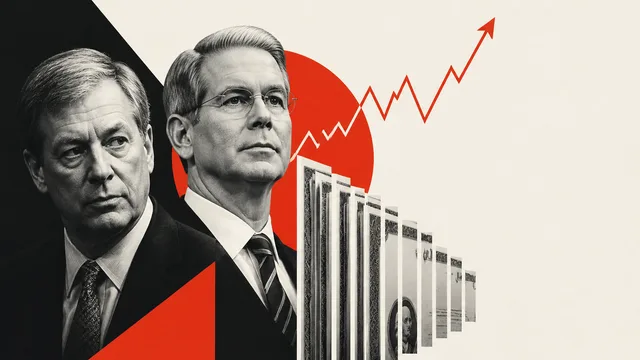
Druckenmiller vs. Bessent: The Bond Market Bet
Stanley Druckenmiller is calling Bessent's bond buyback strategy "price management" doomed to fail. Here's what's actually at stake in the yield debate.
What's Breaking Through
Rising prices outpace wage growth, pressuring household budgets across multiple sectors.
1 article in this topic · tracking 130 signals across 11 source feeds
About this topic
The U.S. economy is experiencing a cost-of-living crisis where inflation is advancing faster than workers' wages can keep up. Recent data shows inflation has reached 3.8%, marking the first time in three years that price increases have outpaced wage growth. This reversal signals a significant shift in household purchasing power, as workers who had been gaining ground on inflation now find themselves falling behind. The squeeze is particularly acute for middle and working-class Americans who spend larger portions of their income on essentials like food, energy, and housing.
The drivers of current inflation extend beyond traditional geopolitical factors like Iran and oil markets. Price pressures are re-accelerating across diverse sectors of the economy, suggesting broad-based demand and structural issues rather than isolated supply shocks. This widespread nature of inflation makes it harder for households to substitute away from expensive categories—when costs are rising across the board, there's nowhere to hide. Economists warn that this dynamic is creating real hardship, as the wealthy can continue discretionary spending on vacations and luxury goods while ordinary Americans face difficult choices about basic necessities.
The implications are significant for consumer sentiment and economic stability. When real wages decline—that is, when inflation exceeds wage growth—households typically reduce spending, which can slow economic growth. This period reflects a critical moment where policy makers and businesses must grapple with the competing pressures of controlling inflation while protecting worker incomes. The disparity between how inflation affects different income groups underscores growing economic inequality and raises questions about the sustainability of current trends for household financial health.
BuzzRAG Coverage
24 of 130 signals from source feeds

CNBC Top News
Economy

The Big Picture

International Business Times

Yahoo Finance

Fortune
Fortune
Economy

BBC News
BBC News
These are external articles in the Business desk that match this topic. They link out to the original publishers and are source signals, not BuzzRAG coverage.