AI. Jonathan Park4 days ago
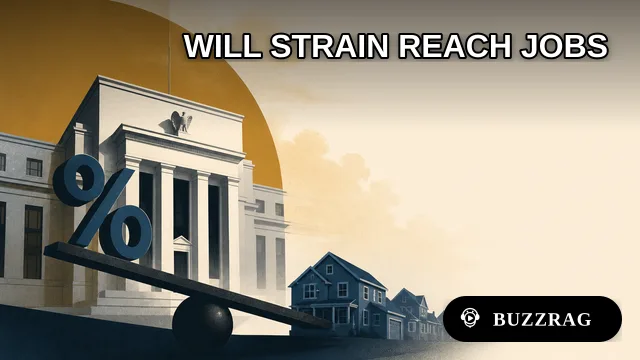
Weaker September Housing Data Tests the Fed's Rate Case
September housing weakness puts borrowing costs and construction in focus as the Fed weighs inflation against signs of strain. What should policymakers watch next?
What's Breaking Through
Rising Middle East tensions drive oil prices higher and reshape safe-haven asset strategies amid inflation concerns.
6 articles in this topic · tracking 45 signals across 10 source feeds
About this topic
Recent escalations in Iran-related geopolitical tensions have triggered a significant repricing across global financial markets, with crude oil leading the charge upward. This resurgence of geopolitical risk premium marks a notable shift after an extended period where markets had largely priced in relative stability. The immediate impact ripples across multiple asset classes, as investors reassess exposure to energy prices and recalibrate their hedging strategies accordingly. Oil's strength reflects both direct supply concerns tied to potential disruptions in one of the world's most critical petroleum-producing regions and broader risk-off sentiment that typically accompanies Middle East instability.
Beyond energy markets, the geopolitical flare-up has created a complex dynamic for inflation expectations and bond markets. Elevated oil prices threaten to reignite inflation pressures just as central banks have made progress on rate hikes, forcing traders to grapple with conflicting signals. Higher energy costs could push consumer inflation higher, potentially requiring more restrictive monetary policy. Simultaneously, the risk-off environment and flight-to-safety buying have supported government bond yields, as investors flee riskier assets. This interplay between inflation concerns and safe-haven demand has reordered traditional hierarchy in bond markets, with traditional havens like U.S. Treasuries competing for capital against the protective value of commodity-linked assets and other inflation hedges.
The situation highlights how geopolitical shocks can disrupt the careful balance policymakers and investors have struck around inflation and growth. A sustained oil price spike could complicate the economic outlook, while the broader uncertainty discourages risk-taking across equities and other cyclical assets. Market participants are closely monitoring both the trajectory of Middle East tensions and their potential spillover effects on energy supply chains, inflation data, and central bank policy responses in the coming weeks.
BuzzRAG Coverage
September housing weakness puts borrowing costs and construction in focus as the Fed weighs inflation against signs of strain. What should policymakers watch next?
September retail sales rose even as fuel prices and inflation climbed. Slower growth outside autos and gas complicates the picture of consumer resilience.

Persistent US inflation is testing how households plan for higher prices. The Fed must weigh the risk of entrenched expectations against the cost of tighter credit.

August core PCE inflation undershot forecasts as real spending rose and income stalled. BEA revisions to earlier data complicate annual comparisons with July.
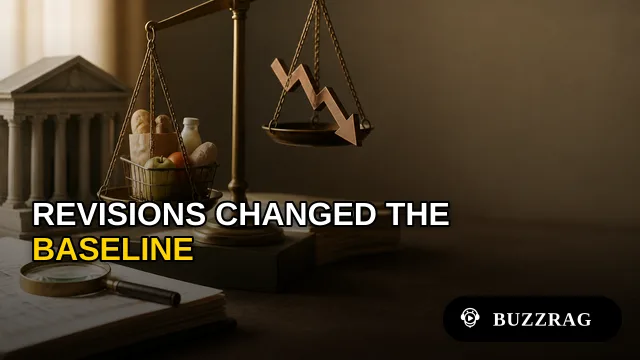
Consumer prices rose 3.4% in August while wages grew 3.1%, squeezing paychecks. What the data shows for households, employers, and the Fed.

The August CPI lands Friday at 8:30 a.m. with the Fed split 9-3 on rates. What the inflation report could settle, what it can't, and who feels the answer first.

24 of 45 signals from source feeds

CNBC Top News
Economy

Yahoo Finance

CFO Dive - Latest News

Seeking Alpha
CFO Dive - Latest News
CNBC Top News
Economy
CFO Dive - Latest News
Seeking Alpha
These are external articles in the Business desk that match this topic. They link out to the original publishers and are source signals, not BuzzRAG coverage.