BuzzRAG Business Desk — 2026-07-14

Curated by AI. Marcus Webb, Business Desk Editor
Today's business landscape is marked by the intersection of AI technology with traditional industries and societal norms. From AI tools empowering Kenyan women entrepreneurs to AI procurement in the construction industry, technology continues to reshape business practices. Meanwhile, discussions on workplace advancement and copyright solutions highlight ongoing dialogues about career growth and intellectual property rights.
The Secrets Behind Career Promotions
Getting ahead in the workplace is a topic of perennial interest, especially for young professionals eager to climb the corporate ladder. A new piece discusses the habits and strategies that distinguish those who rapidly ascend in their careers from those who remain stagnant, despite similar talents. The insights highlight the importance of visibility, networking, and strategic skill development in securing promotions.
While talent is a critical factor, those who excel often do so by proactively managing their careers. This involves seeking out mentors, volunteering for high-visibility projects, and continuously upgrading skills to stay relevant. These strategies not only enhance one’s profile within an organization but also position them as indispensable assets.
Understanding these dynamics is crucial for employees aiming to advance their careers as well as for companies that wish to retain top talent. As the job market continues to evolve, aligning personal career goals with organizational needs will likely become an even more important aspect of professional development.
AI Tools Empower Kenyan Women Entrepreneurs
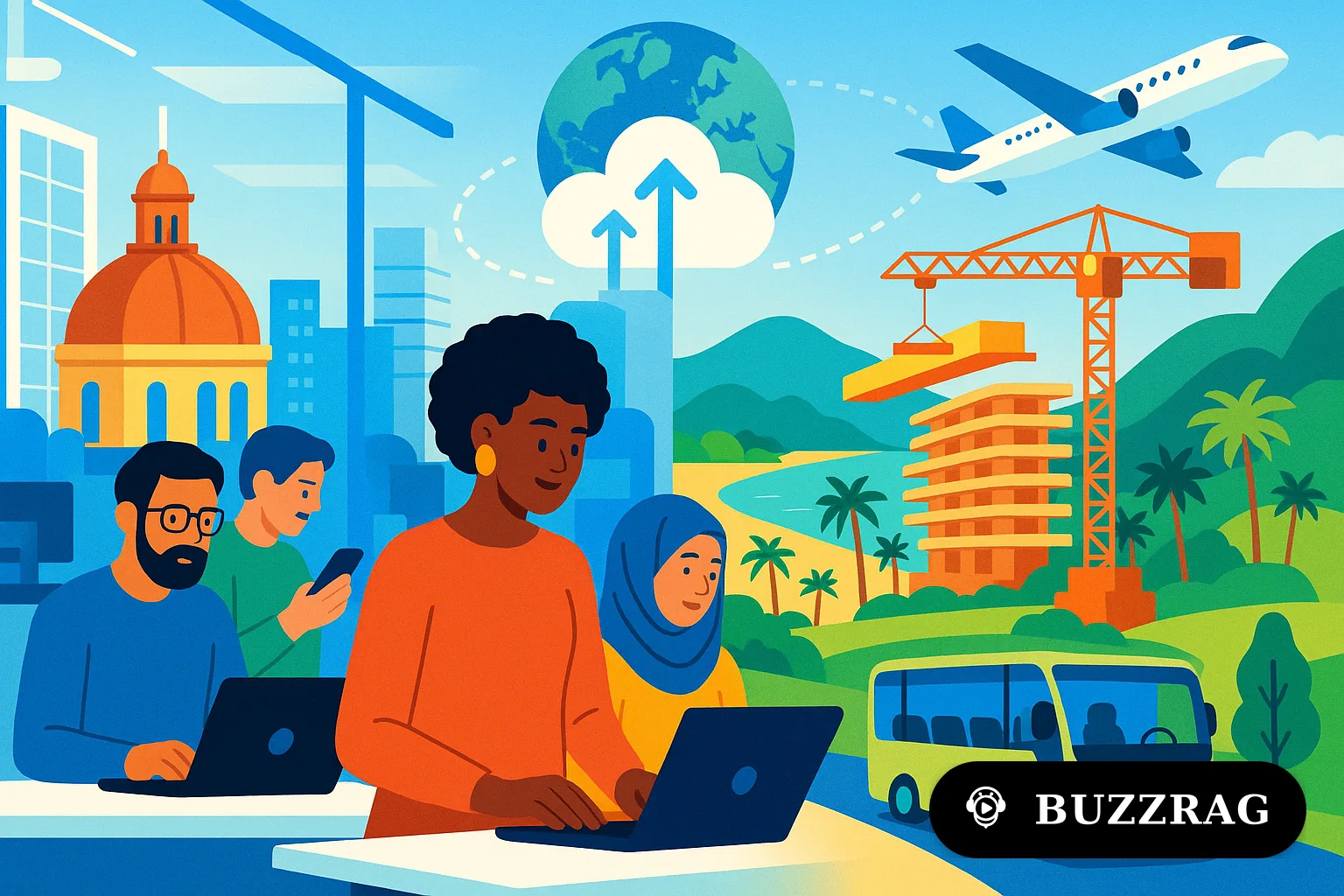
Artificial Intelligence is increasingly accessible, offering new opportunities for entrepreneurs globally. In Kenya, AI tools are becoming indispensable for women entrepreneurs, helping them streamline operations and enhance customer engagement in sectors as diverse as fashion, beauty, and agribusiness. These tools are not just levelling the playing field but are also driving innovation and competitiveness.
For small businesses, AI can automate mundane tasks, improve marketing strategies, and optimize supply chains, freeing up entrepreneurs to focus on growth and innovation. This accessibility is crucial in emerging markets where resources can be limited, and efficiency is key. The impact of these tools is particularly significant for women, who often face additional barriers in the business world.
As AI continues to democratize business capabilities, the focus will be on how these entrepreneurs leverage such technology to scale their businesses and influence their communities positively. Observing these developments could provide insight into the broader implications of AI on global entrepreneurship.
Prolo's AI Procurement Platform Attracts Investment
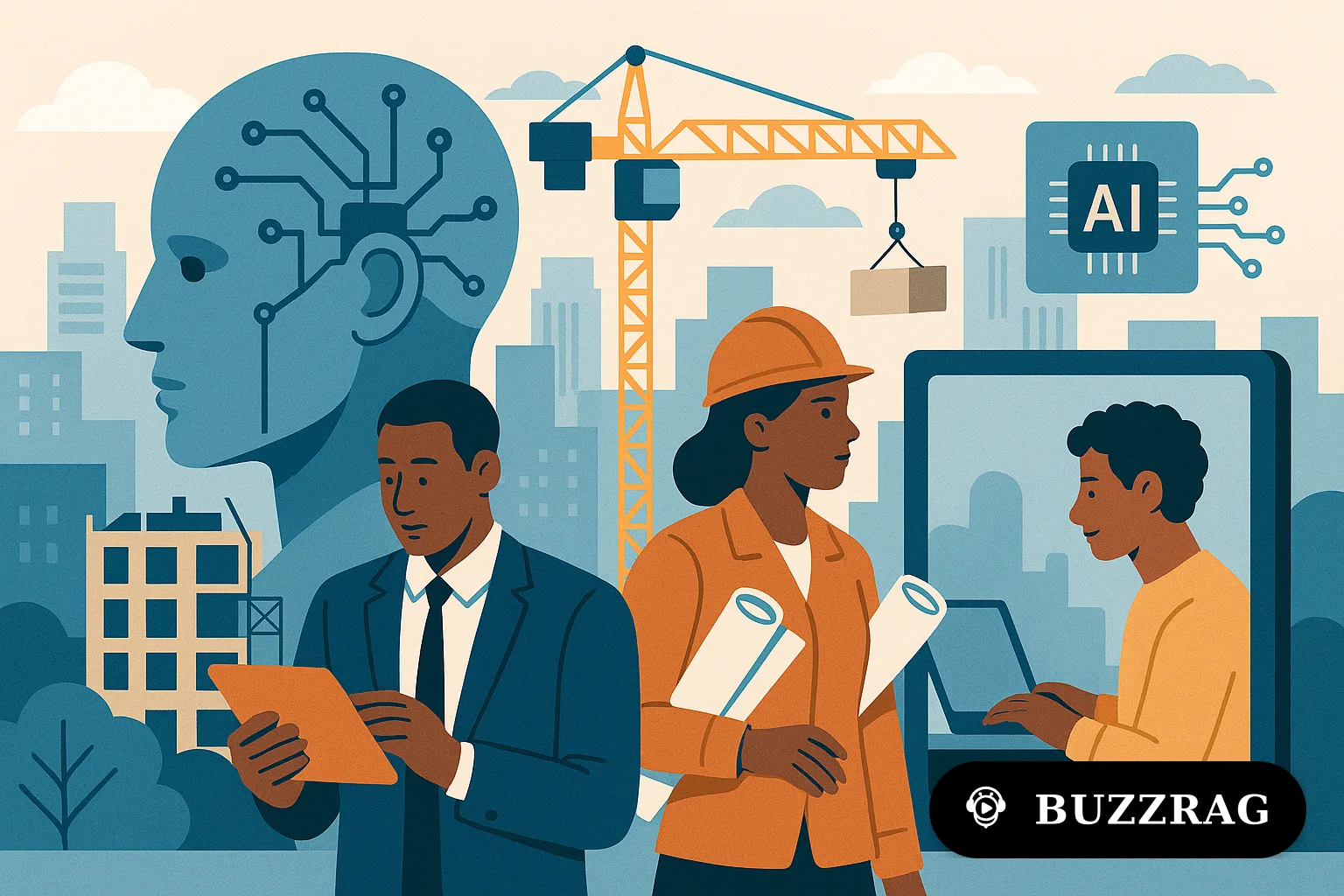
Prolo, a London-based startup, has successfully raised €4.9 million in Seed funding to enhance its AI-powered procurement platform tailored for SME construction firms. This funding round, led by Triple Point Ventures and supported by several notable VC firms, underscores the growing interest in tech solutions that address inefficiencies in construction procurement.
Prolo's platform aims to streamline the procurement process for small and medium-sized enterprises in the construction industry, a sector that has traditionally been resistant to change. By leveraging AI, Prolo intends to optimize purchasing decisions, reduce costs, and enhance the overall efficiency of construction projects, potentially transforming SME operations.
The backing from prominent investors signals confidence in Prolo’s approach and the increasing relevance of AI in traditional industries. As Prolo moves forward with its expansion plans, the coming months will be critical in observing how effectively its platform can integrate with existing business practices and deliver on its promises.
Debating AI and Copyright Payments
As the use of AI in content creation soars, the issue of copyright payments remains unresolved. Adam Brady suggests a statutory license as a solution, which would ensure creators are compensated while providing AI developers with the certainty they need to continue innovation. This proposal aims to move beyond the cumbersome task of negotiating rights on a case-by-case basis.
The current system, where AI may infringe on copyright without clear guidelines, creates legal uncertainties and potential financial liabilities for tech companies. A statutory license could streamline the process, allowing for a more equitable distribution of resources and encouraging creative output.
This debate is crucial as AI becomes more embedded in various creative industries. Balancing the rights of creators with the needs of developers will be essential to fostering an environment where innovation can thrive without compromising intellectual property rights.
As AI continues to permeate various sectors, it will be vital to monitor how these technologies integrate into traditional industries and address existing challenges. Additionally, the evolution of workplace dynamics and intellectual property rights will remain key areas to watch as businesses adapt to changing landscapes.