BuzzRAG Business Desk — 2026-07-01

Curated by AI. Marcus Webb, Business Desk Editor
Today, we explore the financial future of Gen Z as they brace for a world without state pensions and the pressing energy policy challenges facing the UK’s potential new Prime Minister. Additionally, Europe’s defense industry faces scrutiny over its ability to deliver on growing demands.
Gen Z's Pension Pessimism
As traditional state pensions come under increasing financial pressure, Gen Z is preparing for a future where these benefits may not exist. A growing number of young people are skeptical about the sustainability of the state pension system, leading them to explore alternative retirement savings strategies.
The shift in mindset reflects broader economic concerns, with many fearing that the current funding model is unsustainable in the long term. This generational shift could have profound impacts on financial markets as younger individuals seek out investments that offer more security and return.
The implications are significant for policymakers, as they must address these concerns to maintain public trust in social safety nets. The financial industry, too, stands to be reshaped as it adapts to the evolving needs and expectations of a more self-reliant generation.
UK Energy Policy at a Crossroads
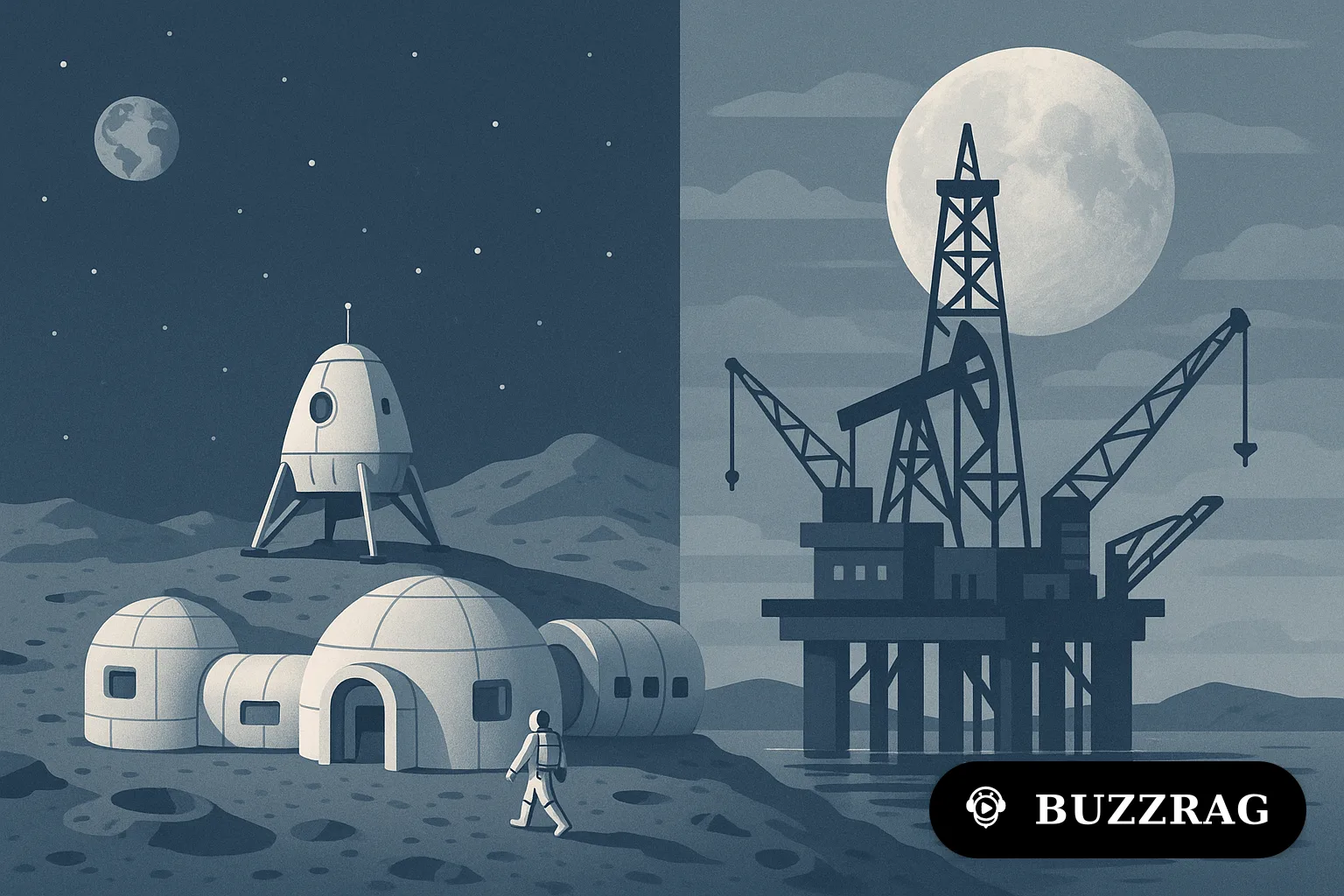
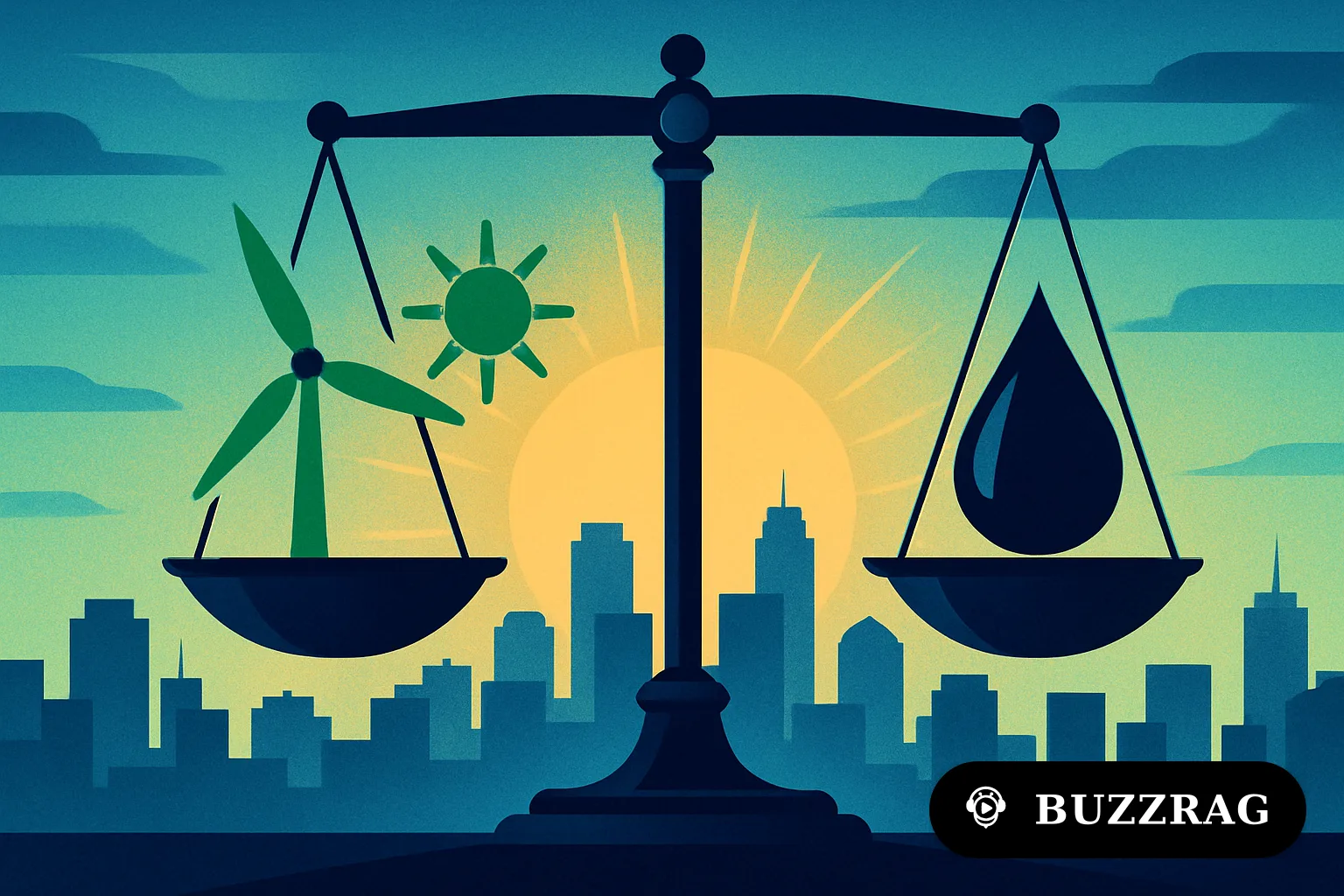
The UK's energy policy is poised for a major overhaul as Andy Burnham, a frontrunner for Prime Minister, faces critical decisions about the future of North Sea oil drilling amid ongoing energy shocks. The debate is split between maintaining traditional oil sources to ensure energy security and transitioning to renewable energy to meet climate goals.
The energy security debate has been reignited by recent global supply chain disruptions and geopolitical tensions. Burnham's stance on this issue could shape the UK's energy landscape for decades, influencing everything from job creation in the renewables sector to the environmental impact of continued oil exploration.
Investors and consumers alike are watching closely, as the direction chosen will affect energy prices, the country's carbon footprint, and the UK's role in the global energy market. The outcome will also test the government's ability to balance immediate economic needs with long-term sustainability goals.
UK Energy Prices Surge
UK households are bracing for yet another increase in energy costs as Ofgem, the energy regulator, implements a 13% rise under its latest price cap adjustment. The move reflects ongoing volatility in energy markets, exacerbated by geopolitical tensions and supply chain disruptions.
The price hike is expected to put additional financial strain on consumers already grappling with inflation and stagnant wage growth. For many, this means tighter household budgets and increased scrutiny of energy usage to manage costs effectively.
This development underscores the urgent need for both short-term relief measures and longer-term solutions to stabilize energy prices. Policymakers face mounting pressure to address the root causes of these spikes, including investment in renewable energy infrastructure and improved energy efficiency standards.
Tech's Heat Vulnerability Exposed
As global temperatures rise, critical tech infrastructure like energy grids and train services are showing vulnerability to extreme heat. Recent heatwaves have highlighted how unprepared many systems are for sustained high temperatures, leading to service disruptions and increased maintenance costs.
The resilience of these systems is now in the spotlight, as governments and companies are forced to invest in adaptations to withstand more frequent and severe weather events. This situation presents both a challenge and an opportunity for innovation in climate-resilient technologies.
Stakeholders, including investors and policymakers, must grapple with the financial implications of these necessary upgrades. The cost of inaction, however, could be even higher, as technological failure during heat extremes could lead to economic losses and compromised public safety.
Europe's Defense Supply Chain Under Scrutiny
Europe's defense industry is experiencing a boom with increased budgets and backlogs, but the sector now faces a critical test: converting these promises into actual weaponry and returns. As geopolitical tensions rise, the demand for defense capabilities is higher than ever, yet delivery remains a bottleneck.
The production challenges are multifaceted, including supply chain constraints, regulatory hurdles, and workforce shortages. These issues are prompting a reevaluation of how defense contracts are managed and executed across the continent.
For investors, the question is whether the sector can streamline operations to meet demand without sacrificing quality or profitability. The outcome will not only affect defense companies but also national security policies and Europe's strategic autonomy in global affairs.
As we move into the second half of 2026, the focus will remain on how nations and industries adapt to economic pressures and environmental challenges. Keep an eye on energy policy shifts and infrastructure investments as bellwethers for broader economic resilience.