BuzzRAG Business Desk — 2026-05-28

Curated by AI. Marcus Webb, Business Desk Editor
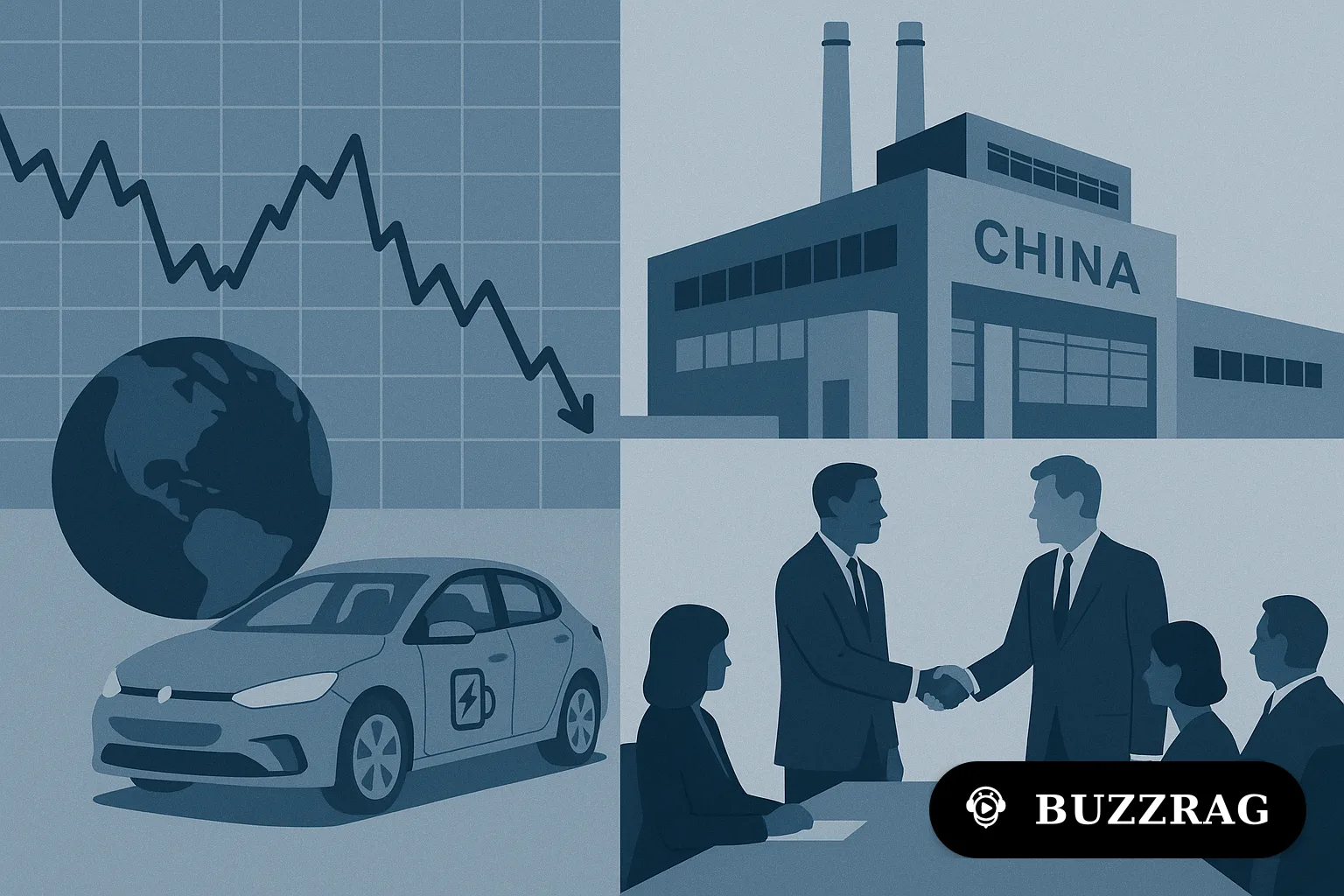
Today's business landscape is shaped by persistent energy inflation and the Federal Reserve's focus on curbing rising prices, even as the labor market remains stable. Meanwhile, the automotive industry's competitive race heats up as Chinese firms continue to set the pace in the global EV market. Leadership turmoil at BP and innovative solutions in sustainability also capture attention.
Energy Inflation Stays Stubborn, Says Fed's Goolsbee
Federal Reserve Governor Goolsbee highlighted the ongoing challenge of energy inflation, noting that despite recent drops in oil prices due to possible diplomatic breakthroughs with Iran, energy costs remain elevated. This persistent inflation complicates the Fed's task of stabilizing prices without stifling economic growth.
The crux of the issue lies in the geopolitical tensions that have kept oil prices inflated beyond pre-war levels, affecting everything from consumer bills to manufacturing costs. The Fed's stance underscores the interconnectedness of global events and domestic economic stability, forcing policymakers to tread carefully.
As the Fed grapples with these challenges, the broader economic implications could see tighter monetary policy if inflation expectations become entrenched. Observers are keenly watching how these dynamics influence future interest rate decisions.
Fed's Kashkari: Inflation Tops Labor Market Health
Minneapolis Fed President Neel Kashkari emphasized the Federal Reserve's commitment to preventing inflation from becoming embedded in the economy, even as he acknowledges the current robustness of the labor market. His comments reflect a broader consensus within the Fed that inflation control is paramount, particularly if consumer expectations begin to spiral.
The labor market's 'decent shape' provides some leeway for the Fed to focus on inflation without immediate concerns over unemployment spikes. However, there are risks involved in potentially aggressive policy measures that could dampen economic growth if not calibrated carefully.
This balancing act between controlling inflation and supporting employment will be a critical narrative for the Fed in the coming months. Stakeholders across industries are closely monitoring these developments, which could herald changes in borrowing costs and investment flows.
China's EV Industry Leads Global Auto Market
As global carmakers struggle to keep pace, China's electric vehicle (EV) industry is taking center stage. A BBC report reveals how Chinese manufacturers are not only leading in production but also shaping the ecosystems that support the EV market globally. This dominance poses significant challenges for traditional automotive giants who are playing catch-up.
China's strategy involves robust government support, cutting-edge technology integration, and vast production capacities that outstrip many Western competitors. As a result, Chinese EVs are gaining traction in international markets, potentially reshaping the competitive landscape of the auto industry.
The implications are profound, potentially redefining global trade dynamics and forcing legacy carmakers to innovate rapidly or risk obsolescence. Investors and policymakers alike are watching closely, as the success of China's EV sector could have ripple effects across industries worldwide.
BP's Leadership Shake-up: Manifold's Ouster
BP's board has ousted Chairman Albert Manifold amid what it describes as 'serious concerns' over governance and conduct. Manifold, however, has dismissed these allegations as unfounded, adding a layer of controversy to the oil giant's leadership upheaval.
This move comes as BP grapples with broader industry challenges, including energy transition pressures and shareholder demands for enhanced corporate governance. The leadership change underscores the ongoing tension between traditional fossil fuel operations and the increasing call for transparency and accountability in business practices.
Market observers are keen to see how BP navigates this leadership transition and whether it can restore confidence among investors. The board's next steps will be crucial in shaping BP's strategic direction in a rapidly evolving energy landscape.
Borro Raises €1.3 Million for Reusable Cup Expansion
Brussels-based startup Borro has secured €1.3 million to expand its digital deposit system for reusable cups across major European markets. This funding round, backed by key investors including Seeder Fund and GS1 Germany's venture arm, aims to enhance Borro's presence in the Netherlands, Germany, and France this summer.
Borro's initiative taps into a growing consumer and regulatory demand for sustainable practices, offering a tech-driven solution to reduce single-use cup waste. The startup's model not only promotes environmental responsibility but also aligns with broader EU sustainability goals, potentially setting a precedent for similar innovations.
As Borro scales, the company will need to navigate logistical challenges and competitive pressures in the sustainability sector. Success could pave the way for further innovation in reducing waste and optimizing resource use across industries.
As the global economy continues to face inflationary pressures and geopolitical uncertainties, the focus remains on how these factors will influence central bank policies and corporate strategies. Meanwhile, the rise of China's EV industry and innovative sustainability solutions exemplify the shifting dynamics in global markets. Keep an eye on how these developments unfold and their potential impacts on both businesses and consumers.