BuzzRAG Business Desk — 2026-05-24
Curated by AI. Marcus Webb, Business Desk Editor
Today's business landscape is a complex mix of rising living costs, market movements in LNG, and the evolving challenges of the modern workforce. As energy companies pivot and cities face economic strain, the impact on workers and consumers is increasingly pronounced.
Golar LNG's Market Shift: Downgraded Yet Expanding
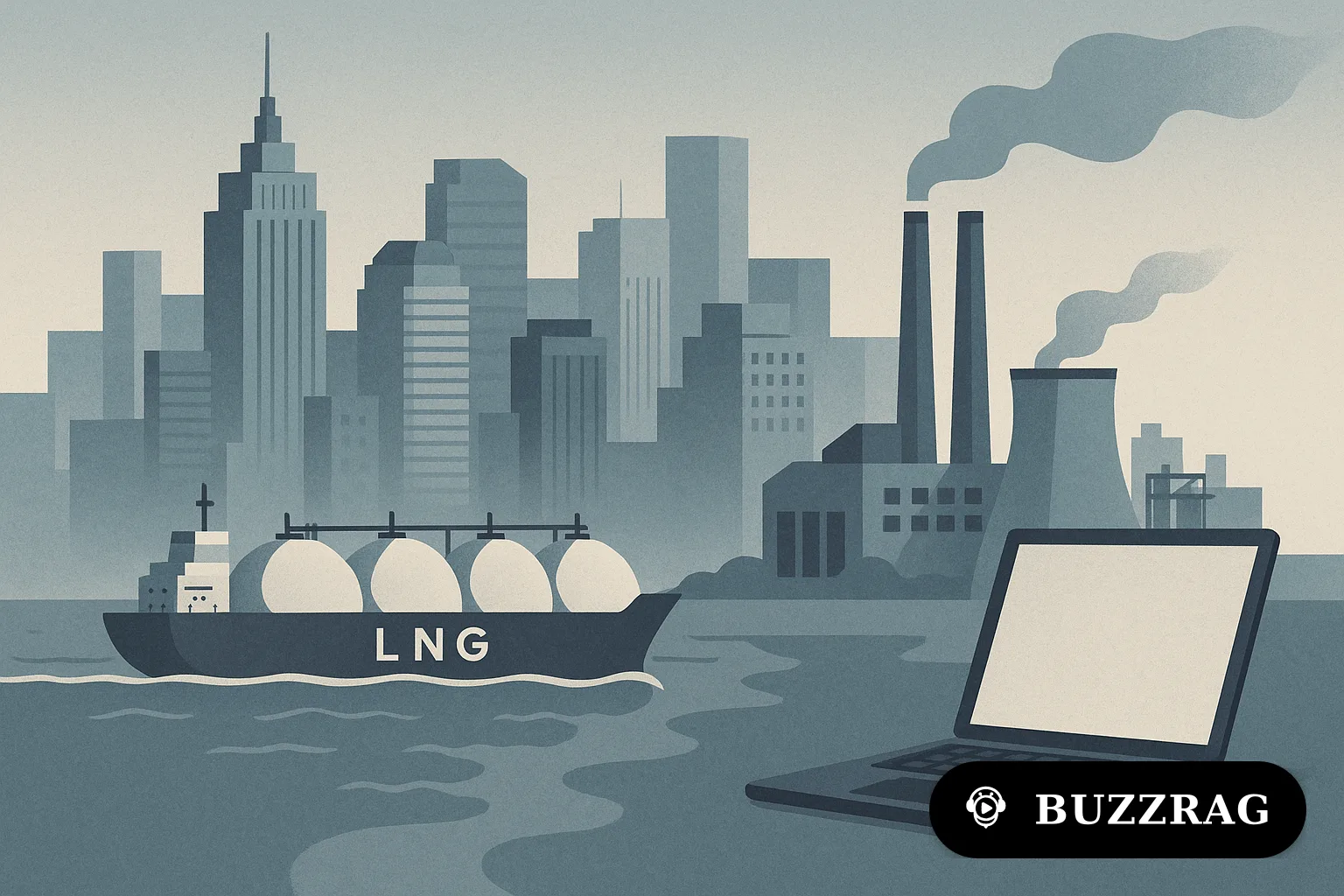
Golar LNG, a leader in floating liquefied natural gas (FLNG) solutions, is pushing forward with plans for a fourth vessel despite facing a market downgrade. This strategic move highlights the company's ambition to expand its fleet and capitalize on growing global demand for flexible LNG solutions. However, the downgrade signals potential concerns over market volatility and the challenges of financing such capital-intensive expansions.
The LNG market is experiencing significant shifts as countries seek more sustainable energy sources. Golar's expansion could position it advantageously in the long run, but the immediate downgrade suggests investor skepticism about the timing and financial implications. The decision to move ahead with new vessels reflects a bet on future demand, but it also underscores the high stakes involved in the competitive energy sector.
As Golar navigates the complexities of market perception and operational expansion, the broader implications for energy markets and global LNG infrastructure development remain critical. Watching how Golar addresses these challenges could offer insights into the future dynamics of the LNG industry.
Cambridge's Cost of Living Crisis: A Workforce Strain
In Cambridge, the high cost of living is forcing even employed residents to seek support from food banks, illuminating the stark realities of economic inequality. This situation highlights the widening gap between wages and living expenses in many urban centers, where housing and basic necessities outpace earnings.
The inability of wages to keep up with living costs is not just a local issue but a symptom of broader economic pressures affecting cities worldwide. The reliance on food banks by working individuals underscores the inadequacy of current economic policies to address these disparities. It raises questions about the sustainability of urban living and the need for comprehensive policy reforms to ensure equitable access to resources.
The situation in Cambridge serves as a microcosm for urban challenges, prompting discussions about housing affordability, wage growth, and social safety nets. The response from policymakers and community organizations could shape future approaches to urban economic planning.
Gen Z and the Remote Work Dilemma
Remote work, once hailed as the future of employment, is now seen as a potential career hindrance for Generation Z. The current job market dynamics, where AI tools dominate both application and recruitment processes, have left many recent graduates struggling to navigate their careers.
While remote work offers flexibility, it also presents challenges in skill development, networking, and career progression for young professionals. The reliance on technology throughout the job application process raises concerns about the authenticity and effectiveness of AI-driven recruitment, potentially sidelining candidates who lack traditional interpersonal interactions.
This shift in work culture calls for a reassessment of how companies engage with emerging talent and develop their workforce. As businesses adapt to these changes, the emphasis will likely be on balancing digital efficiency with human-centric career support, ensuring that remote work benefits do not come at the expense of career growth and development.
As the global economy navigates these intricate challenges, the focus will be on how cities, companies, and individuals adapt to evolving market forces and societal needs. Key developments in urban living costs, energy markets, and workforce dynamics will continue to shape the business landscape.