BuzzRAG Business Desk — 2026-05-19
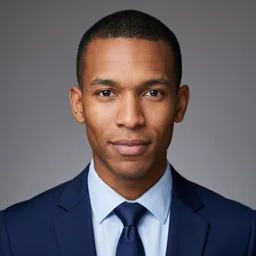
Curated by AI. Marcus Webb, Business Desk Editor
Today's business landscape is marked by significant transitions. Standard Chartered's job cuts highlight AI's growing impact on employment. Meanwhile, changes at the Federal Reserve signal potential shifts in monetary policy amidst economic uncertainties.
AI Drives Job Cuts at Standard Chartered
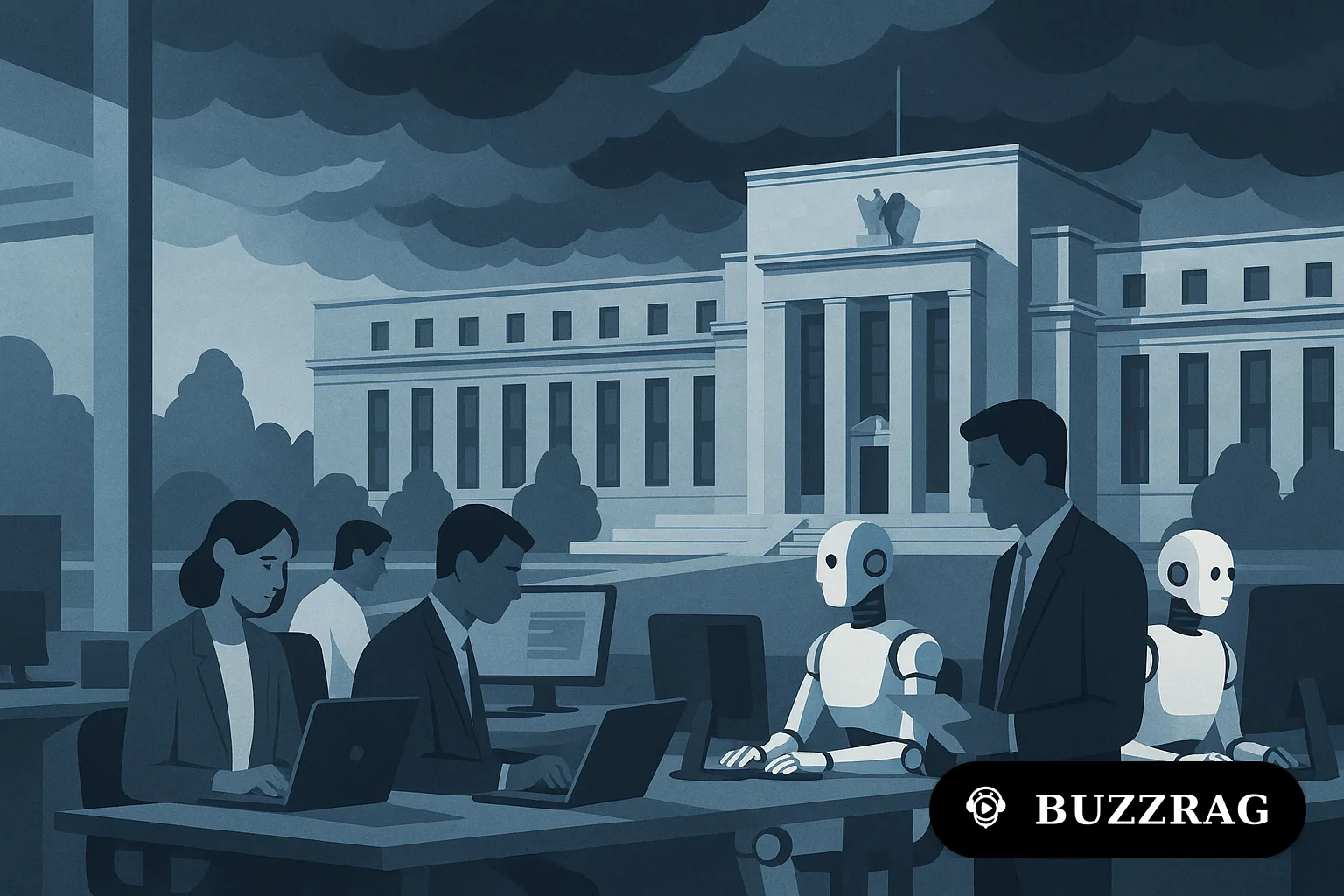
Standard Chartered has announced plans to cut thousands of jobs as it increases its reliance on artificial intelligence. The UK-headquartered bank aims to move affected employees to other roles within the company, but the scale of the cuts underscores the significant impact AI is having on traditional banking roles.
While the bank positions this as a move towards greater efficiency and innovation, the broader implications for the workforce are sobering. The transition reflects an industry-wide trend where technology is reshaping job landscapes, potentially leading to increased unemployment or a need for significant retraining.
This development raises questions about the future of employment in sectors vulnerable to automation. As AI continues to evolve, the challenge will be balancing technological advancements with sustainable job creation.
Kevin Warsh to Lead Federal Reserve
Kevin Warsh is set to be sworn in as the new Chair of the Federal Reserve, a pivotal role that could influence U.S. monetary policy for years to come. The ceremony, led by former President Trump, marks a significant leadership change at a critical economic juncture.
Warsh's appointment is significant given his past views on monetary policy, which suggest a potential shift towards more conservative fiscal measures. This change comes as the economy faces challenges that may require decisive action, including inflationary pressures and market volatility.
Observers are keenly watching how Warsh's leadership will impact interest rate decisions and overall economic stability. His approach could either reinforce or challenge existing policies, setting the tone for the Fed's strategy moving forward.
Interest Rate Hikes Looming for Fed
Ed Yardeni, a seasoned market analyst, suggests that the Federal Reserve may be compelled to raise interest rates by July. This comes in response to pressure from so-called 'bond vigilantes' – investors who push for higher interest rates to counter inflation.
With Kevin Warsh stepping in as the new Fed Chair, the prospect of rate hikes becomes more likely. Warsh is known for advocating policies that could align with the vigilantes' demands, potentially leading to tighter monetary conditions sooner than expected.
This scenario places the Fed at a crossroads: balancing the need to curb inflation with the risk of stifling economic growth. The decisions made in the coming months will likely have profound effects on markets, influencing everything from consumer loans to corporate borrowing.
Economic Cracks Widening
A growing chorus of economic indicators suggests that underlying weaknesses in the economy are becoming more pronounced. Reports highlight issues such as slowing consumer spending and increasing debt levels, which could signal trouble ahead.
These cracks are not just theoretical; they have tangible impacts on households and businesses alike. As financial pressures mount, the ability for consumers to maintain current levels of expenditure may diminish, potentially leading to a slowdown in economic growth.
The situation calls for careful monitoring by policymakers and investors. The ability to adapt to these changing conditions will be crucial in mitigating the potential fallout from these economic challenges.
As we look ahead, the interplay between AI's role in the workforce and the Federal Reserve's policy decisions will be critical. How these dynamics evolve will shape not only market trajectories but also the broader economic landscape.