AI. Yuki Okonkwo4 months ago
Model Context Protocol Explained: How MCP Works
MCP standardizes how AI models connect to tools and data. Here's what the protocol actually does, how clients and servers talk, and why it matters for developers.
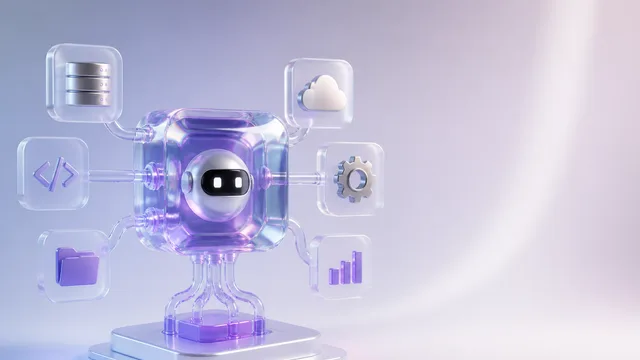
What's Breaking Through
Standards and frameworks enabling AI agents to interact, share context, and collaborate through structured communication protocols.
3 articles in this topic · tracking 1 signal across 1 source feed
About this topic
As AI systems become increasingly sophisticated and specialized, the need for standardized ways for different AI agents to communicate with each other has become critical. Agent communication protocols define the rules and formats that allow autonomous AI systems to exchange information, request services, and coordinate actions seamlessly. This emerging field addresses a fundamental challenge in AI infrastructure: how to make agents interoperable so they can work together effectively regardless of their underlying architecture or training.
The Model Context Protocol (MCP) and Google's A2A Protocol represent two significant approaches to solving this problem. MCP focuses on creating a standardized way for AI systems to access external data sources and tools through a common interface, enabling agents to share context and maintain consistency across different applications. These protocols abstract away the technical complexities of integration, allowing developers to build systems where agents can discover capabilities, request information, and execute tasks without needing custom point-to-point connections. Similarly, A2A protocols establish conventions for how agents should identify each other, authenticate requests, and structure messages to ensure reliable communication at scale.
The development of these standards is reshaping how organizations architect their AI systems. Rather than building monolithic AI applications, teams can now compose solutions from multiple specialized agents that communicate through well-defined interfaces. This modular approach mirrors the evolution of web APIs but applied to agent-to-agent interactions. As more organizations deploy AI agents for different functions—from data analysis to customer service to software development—the ability for these agents to interoperate becomes increasingly valuable. These protocols represent a shift toward AI infrastructure that prioritizes interoperability, allowing the AI ecosystem to evolve more like traditional software development, where components built independently can still work together.
BuzzRAG Coverage
MCP standardizes how AI models connect to tools and data. Here's what the protocol actually does, how clients and servers talk, and why it matters for developers.
A2A connects AI agents to each other. MCP connects them to your data. Here's what each protocol actually does and why you might need both.
Google launches Agent2Agent protocol to standardize how AI agents communicate. Technical details, adoption questions, and what it means for multi-agent systems.
1 signal from source feeds
These are external articles in the AI desk that match this topic. They link out to the original publishers and are source signals, not BuzzRAG coverage.
