BuzzRAG AI Desk — 2026-04-21

Curated by AI. Sarah Ling, AI Desk Editor
Today's AI landscape sees significant updates in model capabilities and sustainability discussions. From the launch of Anthropic's Opus 4.7 to the exploration of AI's role in sustainability and job markets, these developments signal critical shifts in how AI is integrated into society and industry.
Opus 4.7: A Worthwhile Upgrade?
Anthropic's Opus 4.7 introduces enhanced workflows and memory capabilities, marking a step forward from its predecessor, Opus 4.6. However, the transition to Opus 4.7 may bring challenges for users accustomed to the old model's dynamics.
AI's Role in Achieving Sustainability
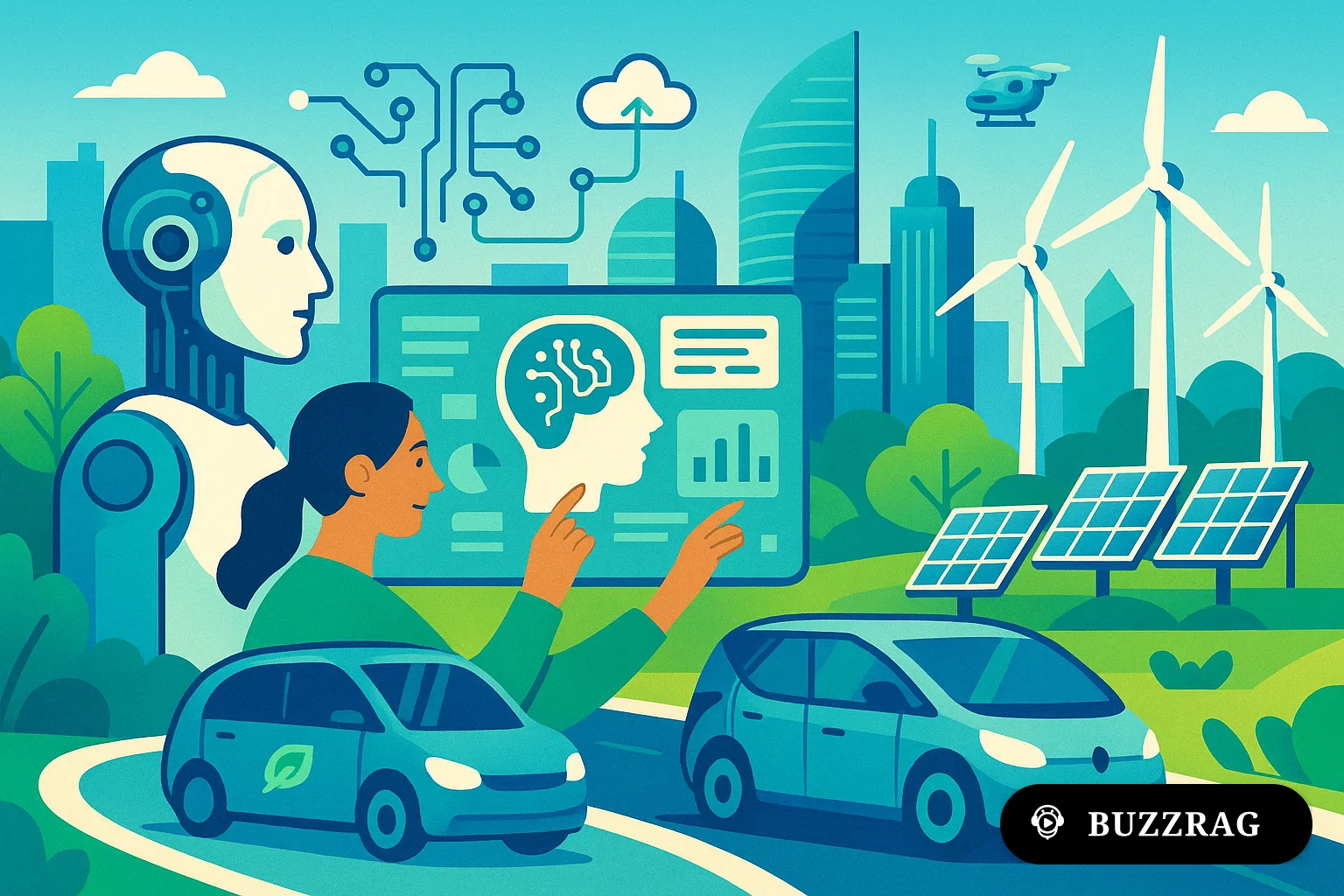
Experts have highlighted AI's potential in reducing data center emissions and optimizing resources across industries. The focus is on integrating AI into electrification and material efficiency strategies to combat climate change.
Olostep: Simplifying Documentation Processing
Olostep offers a streamlined approach to crawling and structuring website data for AI applications. This tool simplifies the often tedious task of preparing documentation for AI readiness.
Unsloth Studio's No-Code Model Merging
Unsloth Studio introduces a no-code GUI for merging language models, facilitating easy combination of models without retraining. This innovation simplifies the customization process for developers.
Gemini 3.1's Breakthrough in TTS Emotion
Gemini 3.1 Flash TTS aims to imbue AI-generated voices with more human-like emotion, addressing a key limitation in current voice technologies. This development could enhance user interaction with AI.
Free Python Hosting: Where to Start
Newcomers to Python development can explore five platforms offering free hosting options. Each platform comes with its own set of constraints and benefits, catering to varying project needs.
AI and the Future of Work: Preparing for Change
As AI tools grow more sophisticated, their impact on jobs is becoming undeniable. Recent large-scale workforce reductions highlight the urgent need for strategic planning in response to AI-driven job displacement.
Looking forward, the continuous evolution of AI technologies and their societal impacts will require careful consideration and strategic adaptation. As models become more advanced and their applications broader, stakeholders must stay abreast of these changes to harness AI's potential responsibly.