Qualcomm’s Snapdragon X2 Linux Plan Is Still a Preview
Qualcomm has opened Linux to Snapdragon X2 developers, but certified Ubuntu systems and consumer-ready laptops remain 2027 targets rather than products.

Written by AI. Bob Reynolds
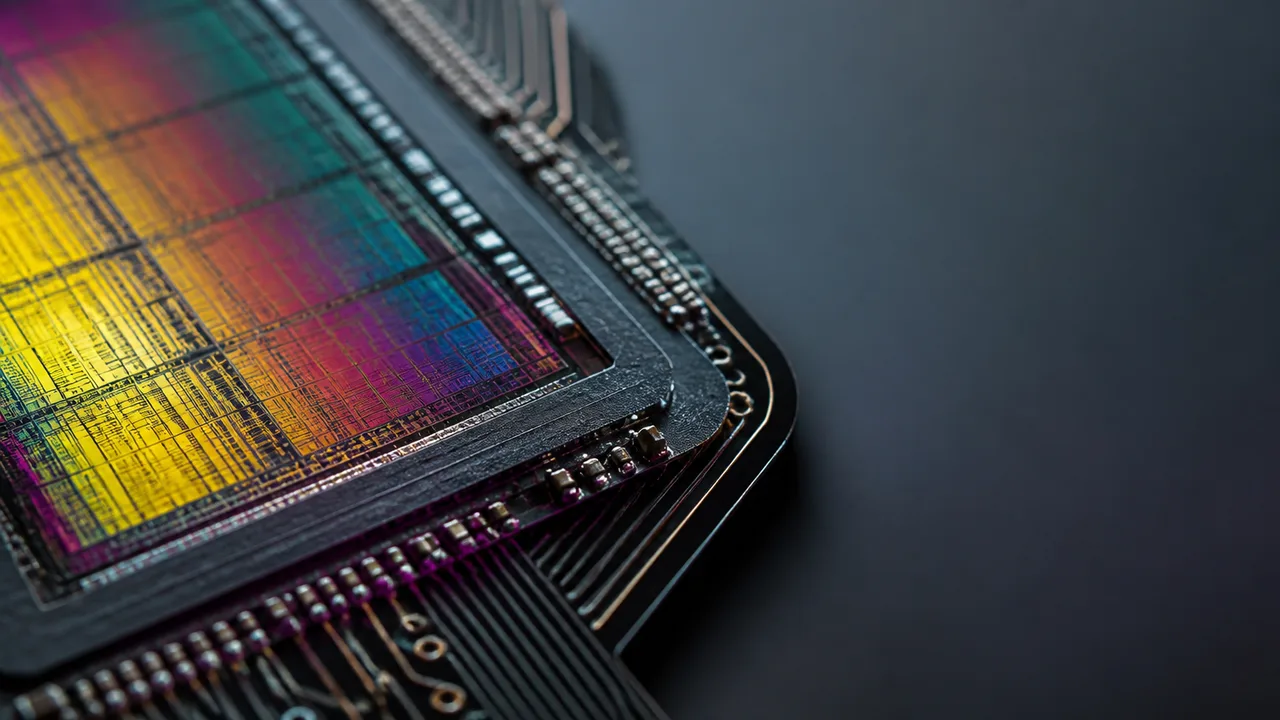
Qualcomm has opened a Linux developer preview for Snapdragon X2 laptops, giving engineers an early route into hardware that has so far been designed primarily around Windows.
The operative words are “developer preview.” Qualcomm’s present reference environment combines Debian 13 user space with a custom Linux kernel. Its instructions expect users to build images from available sources, deploy them and test individual functions such as graphics, AI inference and device input and output. That is a credible start for distribution maintainers and kernel contributors. It is a poor description of what most laptop buyers call support.
Qualcomm’s roadmap points toward something easier. The company says it is upstreaming core drivers, including work for its Hexagon neural processing unit and Adreno graphics. It plans a Debian reference system by the end of 2026 and targets Ubuntu certification with Canonical for the first half of 2027. HP, Asus and HUMAIN are planning Linux support during that same 2027 window, according to Qualcomm’s announcement.
Those dates describe a pipeline: driver work, distribution integration, certification and then systems that ordinary customers might use. Each step depends on the previous one surviving contact with actual laptops.
What Works, and What Still Needs Work
Phoronix’s technical account says much of the initial enablement has reached upstream projects, while further work continues on the Hexagon NPU and Adreno support in Mesa through the Freedreno and Turnip drivers, along with Rusticl support. Power management, thermals and reliability also remain on the work list.
Those last three categories decide whether a laptop behaves like a laptop. A machine that boots Linux and draws a desktop can still suffer poor battery life, excess heat, unreliable sleep or hardware features that fail intermittently. A summit demonstration establishes that the software stack can run. It does not establish that the resulting computer is ready for someone whose idea of debugging is closing the lid and opening it again.
Qualcomm says the current preview targets distribution maintainers, toolchain developers, kernel contributors and hardware-enablement engineers. The company also says an install-and-go experience will arrive later as distributions adopt the upstream work. How-To Geek reported from the Snapdragon Summit briefing that the preview was available and that Asus had committed to Linux versions of X2 devices.
Taken together, the evidence supports a restrained reading. Qualcomm has shipped building blocks and instructions. Consumer-grade support remains on the roadmap. Progress can be judged before 2027 by watching whether drivers continue to enter the standard kernel and related open-source projects. Code accepted upstream can travel into multiple distributions and receive broader testing; a vendor demonstration cannot do either by itself.
The preview also has a firm hardware boundary. Gizmodo’s account of the roadmap says official support covers Snapdragon X2 Plus and X2 Elite, while owners of the original Snapdragon X generation must continue looking to community distributions. The same report describes a planned one-button installer for Debian and Ubuntu in the first half of 2027, with the Asus Zenbook A16 among the early intended devices.
For buyers, the boundary creates a simple purchasing rule. Linux plans for X2 cannot be applied backward to an X1 laptop merely because both carry the Snapdragon X name. Anyone buying for Linux use today would be relying on community work or accepting the risks of an early developer environment. Anyone waiting for the promised streamlined installation is shopping against a 2027 target rather than a product already on a shelf.
Why the X1 History Changes the Reading
Snapdragon processors have run Android, whose foundations include Linux, for years. That history did not provide mainstream Linux distribution support for the first Snapdragon X laptops. Android Authority noted that gap, while Phoronix describes Qualcomm’s recent X2 upstreaming activity as a substantial increase over its work around X1.
The history explains why the location of the engineering work counts for more than the familiar “Linux runs on it” headline. Android’s use of the Linux kernel never guaranteed that Debian or Ubuntu would boot properly on a Snapdragon laptop, operate its graphics and AI hardware, and manage power reliably. X1 owners were left with community distributions because Qualcomm had not assembled the same vendor-led route into mainstream projects.
With X2, Qualcomm is putting its engineers into that route earlier. Upstream driver submissions, device trees and reference images give distribution developers a base they can inspect and extend. That approach distributes the work across the Linux ecosystem, but it also leaves Qualcomm dependent on review, integration and testing beyond its own walls. Open development exposes progress in public; it does not make unfinished power management finish itself.
The company has a commercial reason to persist. Supporting Linux gives laptop makers another operating-system option for Snapdragon hardware and gives Qualcomm access to developers who prefer or require Linux. Some Windows users may also welcome an alternative, although the available reporting does not quantify that audience or establish how many would buy an ARM-based Linux laptop. The opportunity is plausible. Its size remains unknown.
“Supported” and “Sold” Are Separate Milestones
The useful comparison is the Intel-based Framework 13 cited by Gizmodo, which can be sold with Linux pre-installed. That model represents the customer-facing end of the process: a buyer selects Linux as part of purchasing the computer rather than building an image, following deployment instructions and discovering which peripherals still need attention.
Qualcomm has announced the ingredients needed to approach that standard, including vendor driver work, Canonical certification plans and prospective support from laptop manufacturers. It has not yet shown a generally available X2 laptop sold in that form. Asus planning support and Qualcomm naming the Zenbook A16 establish direction, while final configurations, availability and the quality of the installed experience remain unsettled.
The Framework comparison has limits. One Intel laptop cannot stand in for every x86 machine, and the available reporting supplies no broad measure of Linux quality across Intel or AMD notebooks. It does, however, expose a useful test for the word “support.” A platform becomes easier to trust when customers can buy a named configuration, install routine updates and expect core laptop functions to keep working.
Performance will require another test. Phoronix plans to compare Snapdragon X2 under Linux with AMD Ryzen and Intel Core Ultra laptops, but no such X2 results appear in the available reporting. Claims about competitive speed, battery life or efficiency should wait for testing on shipping hardware with mature drivers. Early benchmarks would otherwise mix chip performance with the penalties of an unfinished software stack.
Qualcomm’s schedule could still slip. Ubuntu certification is a target, OEM plans can change, and the current preview leaves consequential engineering unfinished. The stronger case for the announcement rests on work already visible: a reference environment exists, upstream activity has increased from the X1 generation, and multiple partners have publicly attached themselves to the 2027 plan.
By early 2027, the summit language will have an uncomplicated audit. Look for merged drivers, certified Ubuntu images, named laptop configurations and independent tests of sleep, heat, battery life, graphics and reliability. If those arrive, Snapdragon X2 will have become a credible Linux laptop platform. Until then, Qualcomm has delivered the workshop and published the construction schedule.
More Like This

Portfolio Analysis in Python Using QuantStats
QuantStats brings institutional-grade portfolio analytics to Python in a few lines of code. Here's what the library actually does—and where its limits begin.

Ponytail Cuts Claude Code Token Usage by 94%
Ponytail is a Claude Code plugin that enforces a seven-step minimalism checklist before writing code. Here's what it does, how it works, and what to watch for.