Mistakes: Your Unexpected Allies in Personal Growth
Explore how mistakes, seen as allies, foster growth and authentic connections.

Written by AI. Marcus Obi
In a world where parenting often feels like an Olympic sport (and let's be honest, who among us hasn't felt like we're perpetually in last place?), Theresa M. Ward's TEDx talk on embracing mistakes as gifts feels like a breath of fresh, non-judgmental air. But before you imagine her talk as a mere collection of motivational platitudes, let's dig into what makes her approach both refreshing and relatable.
Mistakes, Ward argues, aren't the villains of our story but rather the disguised heroes. Now, if you're a parent, you're probably thinking, 'Great, another thing to add to my list of things I should be doing better!' But Ward's perspective is less about adding pressure and more about offering a release valve for the everyday chaos we all juggle.
The 'Yuck' Feeling: Your Growth GPS
Ward introduces the concept of the 'yuck' feeling—a gut-level signal that something's off. It's that moment when you snap at your kid because they asked, "Why?" for the 17th time in an hour. (We've all been there, right?) This 'yuck' isn't just a signal of a parenting fail; it's a green light for growth, a chance to realign our actions with our values.
Vulnerability: The Secret Sauce
Ward isn't suggesting we wear our mistakes like a badge of honor in every PTA meeting. Instead, she advocates for open conversations about our missteps to foster vulnerability and trust. "For every villainous act, there is a heroic response," she says, highlighting the transformative power of admitting our blunders.
But let's address the elephant in the room: Does admitting your mistakes actually make you more credible? According to a 2022 study from Psychological Science, acknowledging errors can indeed expedite personal growth and enhance relational dynamics. Another study in a social psychology journal confirms that public admissions of errors may signal competence, making others more likely to interact positively with you.
Mistakes as Portals of Discovery
Ward reiterates this with a quote from James Joyce, "Mistakes are portals of discovery." For parents, each misunderstanding or misstep is an opportunity to discover something new about ourselves, our children, and our relationships. Think about that time you accidentally packed your kid's lunch with your own leftover spicy curry. Sure, it was a mistake, but it also led to a hilarious story and a lesson in double-checking lunch boxes!
The Productive Side of Getting It Wrong
Ward’s talk is a reminder that perfection isn't the standard—connection is. As parents, we often feel the pressure to be superhuman, but it’s in our humanity, our willingness to own up to our mistakes, that we find true connection and growth. Sharing your imperfections can lighten the load of parental perfectionism and dissolve that all-too-familiar impostor syndrome.
In the end, Ward's message is one of empowerment: "Your mistakes are not your identity. Whether you consider them burdens or treasures, they belong to you, but they are not you." This perspective is not just comforting; it's liberating.
So, next time you feel that 'yuck' in your gut, consider it an ally in disguise, guiding you towards growth, alignment, and a more authentic connection with those around you—especially the little humans who look up to you, mistakes and all.
More Like This
Spotting Bad Dating Advice on Social Media
Discover how social media skews dating advice and learn to find reliable, evidence-based relationship guidance.
Lower Your Expectations, Not Your Standards
Dr. K's framework for separating expectations from standards is sharp—and as a stay-at-home dad, I found it uncomfortably close to home.

Jeremy Qualls on Leadership: Lessons from Fire and Post-its
Jeremy Qualls shares leadership lessons from personal adversity, emphasizing empowerment and resilience.
Tiny Experiments: Embrace Uncertainty and Grow
Discover how tiny experiments can help you embrace uncertainty, break free from control, and foster personal growth.
Dementia's Lessons: Living with Less Regret
Explore insights from dementia patients on living a life with less regret through self-improvement.
Are AI Companions Replacing Real Intimacy?
Exploring the impact of AI on human intimacy and the risks of artificial relationships.

How to Make a College Tour Actually Matter
College tour season is here. Here's how families can shift from passive observers to active explorers—and why who leads the visit changes everything.
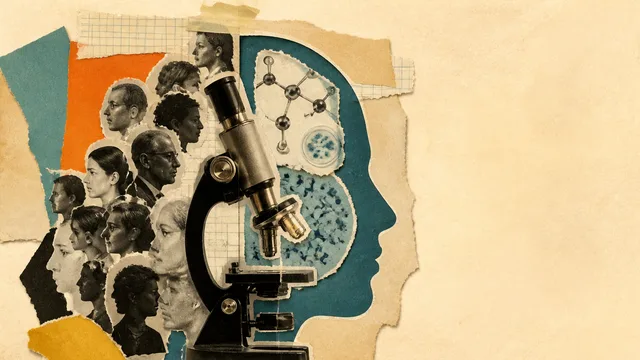
Public Trust in Science Is Fragile and Complicated
Trust in science is eroding—but the data is more complicated than the panic suggests. Here's what's actually happening, and why it matters.