Dementia's Lessons: Living with Less Regret
Explore insights from dementia patients on living a life with less regret through self-improvement.

Written by AI. Marcus Obi
Dementia's Lessons: Living with Less Regret
Ah, dementia—a word that conjures up images of confusion, memory loss, and a general sense of dread about aging. But what if I told you that there’s wisdom to be gleaned from those living in its grasp? James Lee, a storyteller and CEO, shared his insights from working with dementia patients in a recent TEDx Talk: how contemplating mortality and engaging with those at the end of their lives can guide us to live with less regret.
The Art of Decision-Making: Moving Toward, Not Away
James Lee starts by posing a question many of us avoid: Who's in the room with you at the end of your life? His experiences have taught him that two questions loom large for people nearing the end: Did my life have meaning? Did I positively impact those I care about?
Lee offers a straightforward guide: “Every consequential decision you make is either a vote toward the things you want or a vote away from the things you don’t.” It sounds simple, but how often do we make decisions to escape discomfort rather than to pursue joy? Leaving a bad job isn’t the same as chasing your dream career. Intentions matter, and they shape outcomes.
Authenticity: The Mask We All Wear
Imagine living your life wearing a series of masks—one for work, one for family, one for social events. These personas may feel like adaptability, but Lee stresses that at the end of life, only your true identity remains. Through the story of a resident named Alice, who retained her loving nature even as her cognitive abilities waned, Lee illustrates the power of living authentically.
“Good just may be more significant than great,” Lee notes. At the end of life, it won't be your LinkedIn accomplishments that matter, but your personal attributes—your kindness, your love.
Creating the Right Burdens: A Love Letter
Finally, Lee tackles a topic no one wants to face: being a burden. He acknowledges a harsh truth: “You will be a burden on your family.” But this isn’t necessarily negative. By preparing financially, engaging in meaningful conversations, and taking care of your health, you can transform this burden into a positive one.
Lee’s personal story of his father’s final months underscores this point. With a ticking clock, they engaged in deep conversations that alleviated regret. “Strive to be your best self,” he advises, not as a selfish act, but as a love letter to those you leave behind.
Reflections: Writing Your Last Chapter
James Lee’s talk is a poignant reminder that we hold the pen to our life’s final chapter. The stories of Alice, Pauline, and his father serve as guideposts. Whether you’re contemplating your career choices or the relationships you nurture, the lessons from dementia patients offer a rich tapestry of wisdom: Be authentic, make decisions that propel you forward, and prepare for the inevitable burdens of life with love.
In the end, it’s not about crafting a perfect story. It’s about writing a good one.
More Like This
Spotting Bad Dating Advice on Social Media
Discover how social media skews dating advice and learn to find reliable, evidence-based relationship guidance.
Robots Today: Reality Check or Sci-Fi Hype?
Exploring if robots are on the edge of a revolution or stuck in sci-fi dreams.
Mistakes: Your Unexpected Allies in Personal Growth
Explore how mistakes, seen as allies, foster growth and authentic connections.
Living in the Now: Eckhart Tolle's Wisdom for Parents
Discover Eckhart Tolle's insights on mindfulness and presence, and how they relate to parenting.
Are AI Companions Replacing Real Intimacy?
Exploring the impact of AI on human intimacy and the risks of artificial relationships.
How Roman Virtues Sparked a Renaissance Revolution
Explore how resuscitating Roman virtues in Renaissance Italy led to cultural shifts and the scientific revolution.

How to Make a College Tour Actually Matter
College tour season is here. Here's how families can shift from passive observers to active explorers—and why who leads the visit changes everything.
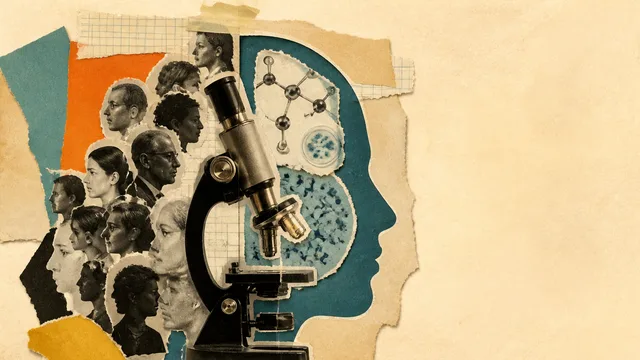
Public Trust in Science Is Fragile and Complicated
Trust in science is eroding—but the data is more complicated than the panic suggests. Here's what's actually happening, and why it matters.