Spotting Bad Dating Advice on Social Media
Discover how social media skews dating advice and learn to find reliable, evidence-based relationship guidance.

Written by AI. Ellis Redmond
Spotting Bad Dating Advice on Social Media
Social media is like that friend who always has something to say about your love life, but you're never quite sure if you should listen. Funmi Okonweze's recent TEDx talk, “Social media is giving you bad dating advice—here’s how to spot it,” shines a light on this very issue, emphasizing the need to be critical of the relationship advice we consume online.
The Misinformation Minefield
In her talk, Okonweze points out how social media often presents a skewed image of relationships. “Marriage is nothing but romantic getaways and perfectly timed selfies,” she quips, capturing the unrealistic portrayals that bombard us daily. While these images might be appealing, they don't reflect the messy, beautiful reality of real-life relationships.
Okonweze makes a good point about the danger of taking social media advice at face value. The digital landscape is a mixed bag of “helpful insights, harmful ideologies, and viral oversimplifications,” she notes. It's essential to sift through this noise to find the nuggets of truth.
Follow Credible Voices
One of the key pieces of advice from Okonweze is to follow licensed professionals and seek evidence-based advice. This is worth considering, especially in a world where anyone with a smartphone can become a self-proclaimed relationship guru.
“I would usually ask myself, is this a licensed professional? Are they an expert or do they have experience in this field?” Okonweze suggests. It's a reminder to prioritize wisdom over clickbait—a lesson that applies to more than just dating advice.
Social Media as a Conversation Starter
Rather than treating social media as the gospel of love, Okonweze suggests using it as a conversation starter. “Couples, use social media as a relationship conversation starter and not a relationship blueprint,” she advises. This approach encourages open dialogue and critical thinking, rather than blind acceptance.
Building on this idea, I'd add that discussing social media advice with trusted friends or partners can help ground these conversations in reality. It opens the door to more nuanced discussions about what healthy relationships actually look like.
The Role of Parents and Educators
In a world where misinformation spreads faster than the common cold, Okonweze emphasizes the importance of educating young people early. “Parents, talk to your children about healthy relationships before the internet does,” she urges. By having these conversations first, we can help bridge the knowledge gap that social media often fills with less-than-accurate information.
Love Is Not an Algorithm
Ultimately, Okonweze reminds us that “love is not an algorithm. It’s a lived experience.” The evidence supports this notion—real relationships are complex and multifaceted, resisting neat categorization or a one-size-fits-all solution.
It's crucial to approach social media with a critical eye and a healthy dose of skepticism. By questioning the advice we consume and prioritizing genuine wisdom over viral soundbites, we can foster healthier, more fulfilling relationships.
More Like This
Rethinking Reasonableness for Neurodiverse Justice
Exploring the legal challenges faced by autistic individuals and the need for reform.
Robots Today: Reality Check or Sci-Fi Hype?
Exploring if robots are on the edge of a revolution or stuck in sci-fi dreams.
Redefining Success: More Than Just Achievements
Explore success as more than achievements—it's about personal fulfillment and mental well-being.
Dementia's Lessons: Living with Less Regret
Explore insights from dementia patients on living a life with less regret through self-improvement.
Are AI Companions Replacing Real Intimacy?
Exploring the impact of AI on human intimacy and the risks of artificial relationships.
Why Statistics Matter: Beyond the Numbers
Unravel the importance of statistics in decision-making, focusing on randomness and data-driven insights.

Why Being Complicated Might Be the Point
Yahia Ghaleb's TEDx talk argues we should stop flattening ourselves into simple labels. Here's what the psychology actually says about living in the gray.
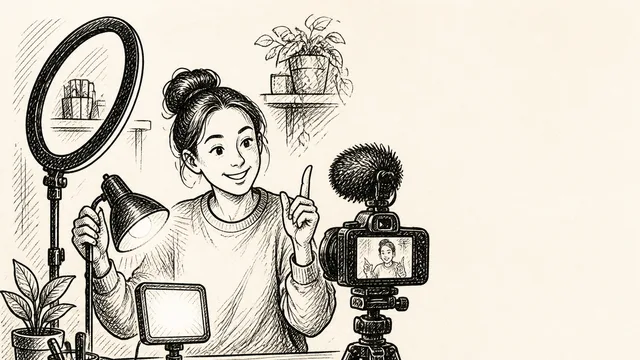
YouTube Lighting for Beginners: What Actually Matters
Before you buy a new camera, fix your lighting. A practical breakdown of what beginner YouTubers get wrong—and how to fix it for under $50.