Dan Trachtenberg's Sleeping Beauty Faces Maleficent's Shadow
Dan Trachtenberg is developing a Sleeping Beauty film. Its creative team faces a question Disney's Maleficent made harder: where can this familiar tale go next?
Written by AI. Theodore "Teddy" Ashworth III
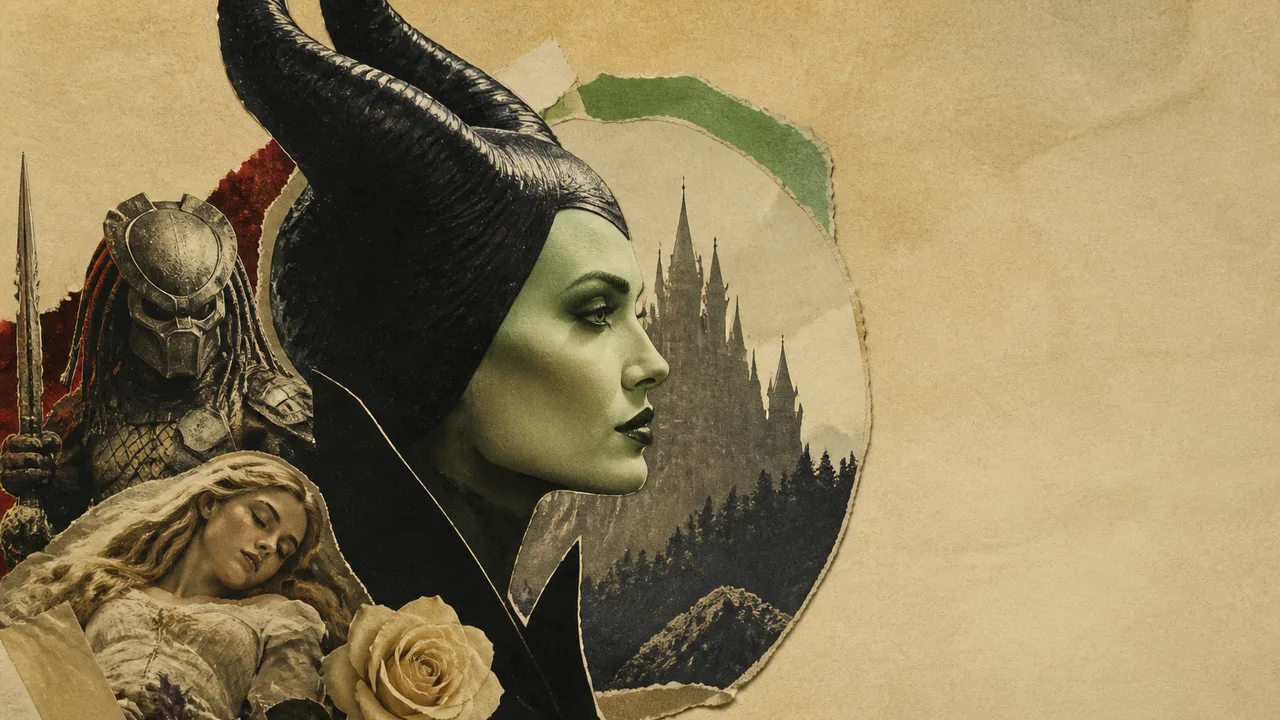
Dan Trachtenberg is developing and attached to direct an untitled film inspired by Disney’s Sleeping Beauty for 20th Century Studios. The combination invites an irresistible mental poster: a spindle, a castle and someone from Predator checking the perimeter. That poster has the advantage of being vivid and the disadvantage of containing considerably more plot than anyone has disclosed.
Trachtenberg and Rayna McClendon are developing a story idea they came up with; Alex Anfanger and Dan Schimpf are writing the screenplay. The film is intended to take the tale in a new direction and has no connection to the two Maleficent films starring Angelina Jolie, Deadline’s sources said, according to Kotaku. What “new direction” means remains an unopened envelope, albeit one with four creative names on the front.
Those credits offer a better place to begin than an imaginary body count. Trachtenberg’s attachment supplies the recognizable name; McClendon shares the story idea, while Anfanger and Schimpf have the job of turning that idea into scenes. Put Predator beside Sleeping Beauty and the internet can furnish a monster by lunchtime.
The Director Arrives with Expectations
Trachtenberg made his feature debut with the 2016 thriller 10 Cloverfield Lane. He went on to Prey in 2022 and worked on Predator: Badlands and the animated Predator: Killer of Killers. His résumé makes the fairy-tale assignment look like a jump between adjoining aisles in an especially strange video store. It also makes his involvement intelligible: he has worked with stories audiences recognize before they buy a ticket or press play.
Predator offers its filmmakers a creature to bring back. Sleeping Beauty offers this team a tale, plus the memory of what Disney has already done with it. Trachtenberg’s earlier work makes tension a reasonable subject of curiosity; it cannot tell us whether this film will be frightening, funny or anything else. No casting had been announced, and the timing of his work on the project was unclear when its early status became known. The castle on that mental poster may have to wait for a script, never mind a perimeter check.
A director’s name can suggest the experience of watching a film without supplying its subject. Here, the announced credits place the first consequential choice at the level of story: Trachtenberg and McClendon must decide what draws them to this tale, and Anfanger and Schimpf must give that choice dramatic shape. A tense scene involving a spindle would satisfy an expectation created by the filmography. It would still leave the larger question of why this tale, now, to the screenplay. That is why the collaborators’ names are more revealing than a speculative genre label, even while their actual choices remain unknown.
Maleficent Got There First
Disney’s Maleficent placed the villain of Sleeping Beauty at the center of her own film. Jolie played her across two films. Audiences have already seen Disney hand the curse-giver the lead role. Giving her the camera again could produce a fine film, but the transfer of attention alone may no longer spring much of a trap. Jolie has already walked through that door, horns first.
The new project reportedly has no connection to those films. It can leave their events behind; it cannot ask an audience to forget the move they made. The sharper possibility, if the filmmakers choose to pursue it, lies in another pressure point within Sleeping Beauty itself. What would a story built around the person subject to the curse ask of its characters? What might the long sleep do to everyone whose life continues around it? Those are questions prompted by the familiar tale, not clues to the untitled film’s plot. They suggest routes beyond granting an established villain the best lines, while leaving open whether the team has any interest in taking them.
That earlier Disney turn also changes the historical position of this announcement. A return to Sleeping Beauty once offered an obvious reversal: place the figure cast as wicked in the foreground. Maleficent used it. Trachtenberg’s team inherits a property whose most immediately legible alternative viewpoint has itself become familiar. An audience can welcome another interpretation of the curse-giver, of course. Calling the project a new direction will invite a closer look at what its story does with the tale, rather than at which character appears on the poster.
Disney has tried another route through familiar material. Mufasa: The Lion King explored a known character’s backstory, a different use of an established story. Maleficent shifts the focus of a tale audiences know; Mufasa turns toward an earlier chapter of a character’s life. Those moves can be useful because familiarity supplies something for a film to question or extend. They also carry different risks. Reconsidering the villain may feel familiar after Maleficent; supplying a backstory can answer a question viewers never thought to ask. Neither precedent gives away Trachtenberg’s plan. Together they make “new direction” sound less like a destination than a promise the finished story will have to keep.
The appeal of pairing Trachtenberg with a princess is easy to understand. Prey and Sleeping Beauty look splendidly absurd together on a marquee, and the idea of danger entering a Disney castle hardly needs a marketing department to make it travel. The shared story credit and separate screenplay credits offer a less instant, more interesting prospect: four people deciding where the tension belongs. It could reside in a threat, in a relationship or in the consequences of a curse. At this stage, the mental poster still has the clearest image. The film’s challenge is to find something on the other side of the spindle that Jolie’s Maleficent did not already show us.
More Like This
Enola Holmes 3 and the Sound of Franchise Fatigue
Enola Holmes 3 is competent, charming, and quietly exhausted. What the score and Millie Bobby Brown's voice reveal about a franchise losing its internal momentum.
Bookpilled's Vintage SFF Deep Dive Is Worth Hearing
Bookpilled's 28-minute tour of 20 obscure sci-fi and fantasy books is provisional criticism done out loud — and that's exactly what makes it worth your time.