Bill Ackman's Art of Finding Invisible Money
Explore Bill Ackman's strategy of finding hidden value in companies, beyond standard metrics.
Written by AI. Jonathan Park
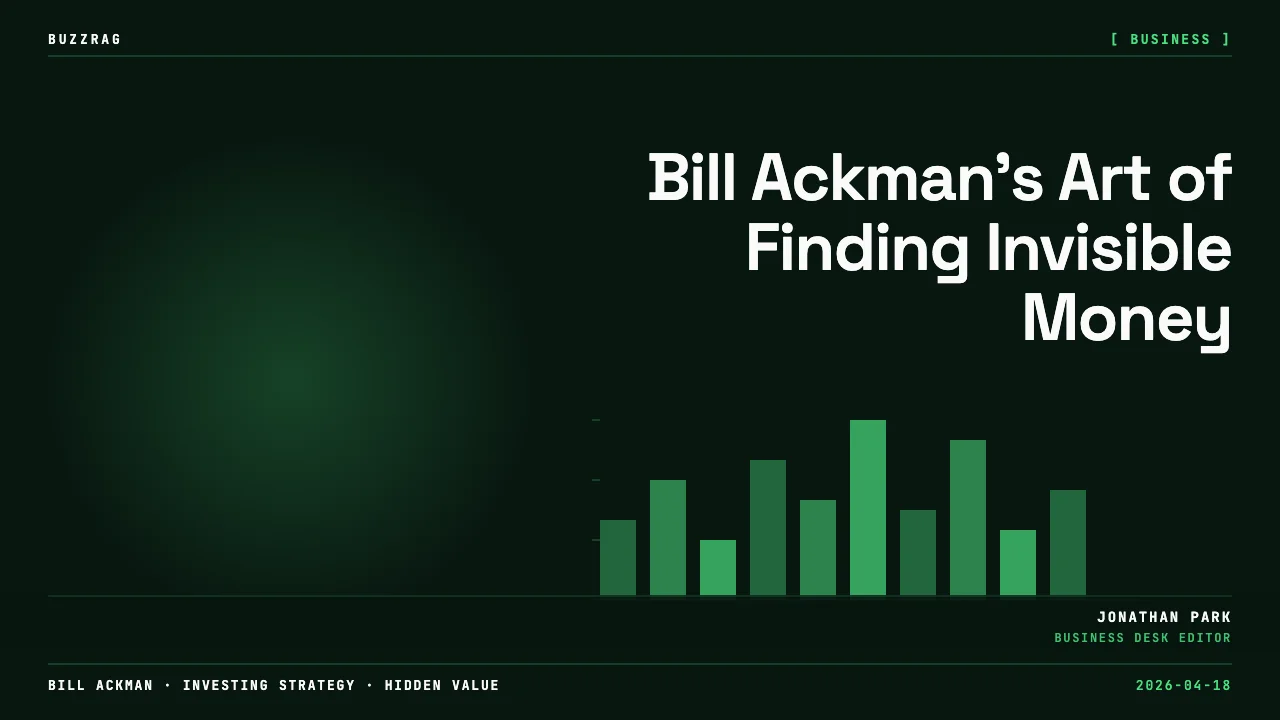
Bill Ackman, the brain behind Pershing Square Capital, isn't your garden-variety investor. With a knack for spotting what others miss, Ackman has amassed billions by digging deeper into company valuations, beyond the usual metrics like the P/E ratio. His approach? Unearth 'invisible money' by identifying hidden assets and temporary crises as investment opportunities.
The Wendy's-Tim Hortons Play
Consider Ackman's first activist venture with Wendy's. At face value, the burger chain seemed like a reasonable investment. However, Ackman saw beyond the burger patties to Tim Hortons, a subsidiary generating significant income. As Ackman put it, "We thought Tim Hortons was worth a lot more than all of Wendy's." By advocating for the spinoff of Tim Hortons, Ackman effectively bought Wendy's for a negative cost, causing Wendy's stock to double in value.
The lesson? Sometimes a subsidiary can be worth more than its parent company, a fact Wall Street often overlooks. "The market was literally paying Ackman to take Wendy's off their hands," the video notes. But this strategy isn't without risk. Once Tim Hortons was set free, Wendy's struggled, highlighting the danger of dismantling a company's most lucrative part without securing the rest.
The Chipotle Turnaround
Not all Ackman’s strategies rely on hidden assets. Sometimes, it's about looking ahead, not within. Case in point: Chipotle during its E. coli crisis. To most, the burrito chain seemed overpriced at 50 times earnings. Yet, Ackman saw potential where others saw peril. "A stock can be cheap at 50 times earnings and expensive at 10 times," he argued, emphasizing the importance of context over raw numbers.
Ackman’s investment in Chipotle was a bet on the brand’s long-term resilience. By pushing for a management overhaul, he spurred a turnaround, ultimately multiplying his investment ninefold. This showcases another facet of his strategy: identifying and investing in strong brands temporarily marred by crises. But as Ackman warns, not every crisis has a happy ending. Without effective management or brand resilience, a recovery might never materialize.
Decoding the Invisible Money
Ackman's success stems from valuing businesses like businesses, not mere stock tickers. His strategies prompt us to ask: What are the hidden gems within a company? Is a crisis truly temporary, or has it left an indelible mark? By finding answers, investors can uncover opportunities others miss.
In a world where Wall Street often relies on shortcuts, Ackman’s approach reminds us of the power in questioning the obvious. Next time a stock seems oddly valued, consider taking a page from Ackman's playbook—dig deeper. You might just find your own invisible money.
More Like This
Your 401(k) Is About to Become AI's Exit Strategy
SpaceX, OpenAI, and Anthropic plan $170B in IPOs. New NASDAQ rules mean your retirement fund will buy them automatically—whether you want to or not.
How Parakeet Chat Made $1.5M by Serving a Niche Market
Discover how Parakeet Chat generated $1.5M by targeting an overlooked niche: incarcerated individuals seeking legal knowledge.
Demystifying Claude Code: Planning and Execution
Explore Claude Code's tools for precise AI coding with insights from Greg Isenberg's interview with Professor Ras Mic.
Tucker Roy's Investment Banking Journey Unpacked
Explore Tucker Roy's path from Babson to PJT, tackling investment banking's fast-paced world.
Multi-Agent AI: Why More Isn't Always Better
Exploring when multi-agent AI systems outperform single agents and when they falter.
Unpacking Katie Keith's $1.8M App Empire
Explore Katie Keith's strategy for generating $1.8M annually with 19 apps, and its fit within industry trends.

ENGO Raises €5.1M to Scale AR Sports Glasses
Grenoble startup ENGO has raised €5.1M to expand its lightweight AR glasses for athletes. Here's what the funding tells us about the wearable tech race.
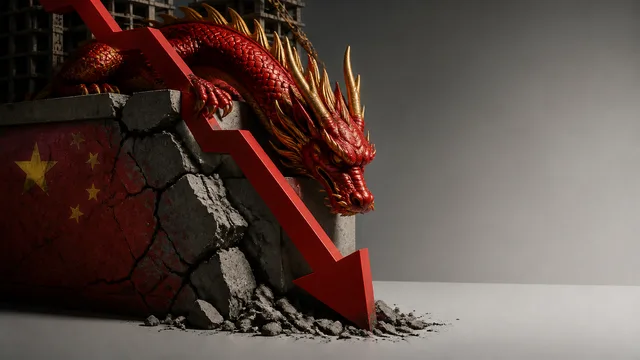
China's Economy Grew 4.3% in Q2, Its Slowest Since 2022
China's Q2 2026 GDP grew just 4.3%, its weakest since the COVID lockdowns of late 2022. Here's what the numbers reveal about the structural cracks underneath.