World Baseball Classic: A Tournament of Rivalries and Economies
Explore the World Baseball Classic's economic impact, cultural rivalries, and emerging baseball nations.
Written by AI. Marcus Tate
The World Baseball Classic, often overshadowed by the more ubiquitous MLB season, has emerged as a significant event not only for baseball enthusiasts but for the economies and cultures it touches worldwide. The tournament exemplifies the complex interplay of national pride, economic gain, and sportsmanship, making it a fascinating case study in the business of sports.
Japan serves as a prime example of the tournament's economic impact. In 2023, the World Baseball Classic brought an estimated $426 million to Japan, marking a significant upturn in tourism and boosting the nation's economic index for the first time in months. This is a remarkable turnaround for a tournament that Japan nearly vetoed in its inception, citing concerns about profit distribution. "The World Baseball Classic literally changed the trajectory of the entire Japanese economy," the video notes, highlighting how sports can transcend mere entertainment.
Conversely, Team USA's historical ambivalence towards the tournament raises questions about national investment in global sports events. Despite baseball being America's pastime, the U.S. team has often approached the Classic with less seriousness, leading to lackluster performances. Bryce Harper's remark, "The WBC is great, but it's not the Olympics," encapsulates this sentiment, reflecting a broader cultural disconnect.
Cultural rivalries add another layer of intensity to the Classic. The longstanding tensions between Japan and Korea, rooted in history and sports, manifest on the baseball field. The video recounts how Ichiro's desire to defeat Korea was not just about sports but echoed historical sentiments. Such rivalries are not just about winning; they are about cultural narratives and national pride.
Emerging baseball nations like Taiwan are breathing new life into their domestic leagues through international success. Taiwan's performance in the World Baseball Classic has revitalized interest in the sport, increasing game attendance and creating new local heroes. Stuart Fairchild, a relatively unknown player in the MLB, became a national sensation in Taiwan, gaining hundreds of thousands of followers after a pivotal home run.
The role of social media cannot be understated in this global tournament. It amplifies players' profiles and fan engagement, turning local matches into worldwide spectacles. For instance, Shohei Ohtani's grand slam against Taiwan garnered 29 million views on Twitter, illustrating the platform's power in shaping sports narratives.
The World Baseball Classic, through its blend of economics, cultural rivalries, and emerging markets, offers a panoramic view of the global sports landscape. It raises pertinent questions about the role of national identity in sports and the economic incentives driving international tournaments. As the tournament continues to evolve, so too will its impact on the nations and players involved.
More Like This
The Trade That Transformed Two NBA Franchises
Explore the 1998 trade that reshaped the Wizards and Kings, altering NBA dynamics.

The Bizarre 2001 Mound Charge by Mike Sweeney
Explore the unexpected 2001 mound charge by Mike Sweeney against Jeff Weaver, unraveling player motivations and sports rivalries.
Ted Turner, PWHL Detroit, and a Turbulent Sports Media Day
Ted Turner's death, PWHL's Detroit expansion, FanDuel's CEO ouster, and ESPN's NFL rights silence made May 7 a defining day in sports business.
Arsenal's Late-Season Struggles: A Tactical Analysis
Exploring Arsenal's strategic lapses and challenges in maintaining form during the crucial end of the Premier League season.
Richard Sherman and Seahawks: From Dynasty to Discord
Explore Richard Sherman's complex journey with the Seahawks, from potential dynasty to discord and departure.
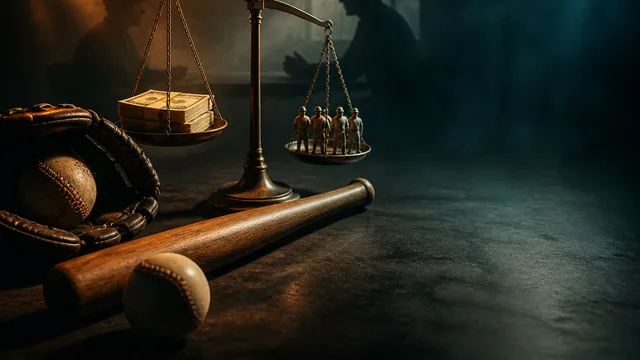
MLB Proposes Five-Year Contract Cap in New CBA Talks
MLB's latest CBA proposal caps free agent contracts at five years and raises minimum salaries—but the fine print reveals a much bigger ask from the league.
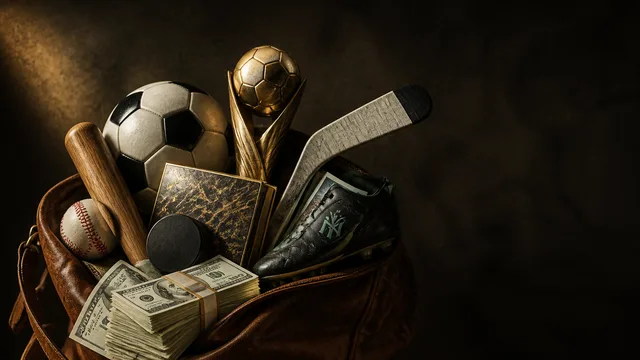
Sports Business Signals From a Crowded July Week
From Netflix's Home Run Derby debut to a $75M college naming rights deal, the week of July 14 reshuffled several assumptions about where sports money flows.
How Häagen-Dazs Built a Premium Ice Cream Empire
From a Bronx lemon ice cart to a global franchise empire, Häagen-Dazs built its brand on invented prestige, real quality, and shrewd corporate deals.