That Leaked OpenAI Device Ad? Fake—But Still Worth Analyzing
A mysterious Super Bowl ad featuring Alex Skarsgård leaked online, supposedly showing OpenAI's AI device. It's debunked—but the questions it raises are real.

Written by AI. Tyler Nakamura
A sleek ad featuring Alex Skarsgård handling a mysterious metallic stone surfaced online after the Super Bowl, supposedly leaked from OpenAI's vaults. The company says it's completely fake. But here's what's interesting: even as a fake, it's sparked more conversation about OpenAI's hardware ambitions than their actual Super Bowl spot about code generation.
The ad itself was cinematic—Skarsgård examining this alien-looking device while wearing wraparound metallic earbuds, his expression cycling through curiosity, caution, and something like recognition. It ended with the tagline "dime almost time." Within hours, OpenAI's communications team was calling it "totally fake," and CTO Greg Brockman posted "fake news." Case closed, right?
Except the ad looked really convincing. Not AI-generated—tech YouTuber Matthew Berman points out there were "none of the artifacts of AI" in the video. So if it's not from OpenAI and it's not AI-generated, what is it? Someone spent real money getting a recognizable actor to handle a prop device for... what, exactly?
The Form Factor Question
Here's why the leak gained traction: it matches what we've been hearing about OpenAI's hardware plans with Jony Ive. Multiple reports have referenced a device codenamed "Sweet Pea"—ChatGPT-powered earbuds positioned as an AirPods competitor. The device shown in the ad fits that description almost too perfectly: pill-like ear modules and a pocket-sized main unit.
Berman has been vocal about the earbud approach. "I do not believe in the glasses form factor for AI. I truly believe earbuds is the way," he says in his breakdown. The logic makes sense: you need audio for interaction, but AI also needs to see the world around you. Glasses feel like the obvious answer, but they're harder to make look good and they're a tough social sell. Earbuds everyone already wears. Add a small companion device with cameras and sensors, and you've got everything you need in a format people might actually use.
The problem? You're competing with the smartphone—the device already in everyone's pocket that does all of this. And that smartphone runs either iOS or Android, meaning Apple and Google own the entire ecosystem. Breaking into that isn't a product challenge, it's an existential one.
Marketing Chaos or Coordinated Leak?
The fake leak came with its own lore. According to a since-deleted Reddit post, OpenAI had created two Super Bowl ads. The flashy hardware teaser got pulled at the last minute because Anthropic's aggressive Super Bowl campaign—which included direct shots at OpenAI—forced them into a defensive posture. So they pivoted to the safer Codex ad instead.
This explanation has... issues. Companies don't typically create full Super Bowl spots featuring expensive actors for products launching nine months out, then casually shelf them. The story feels like it was written to explain why the ad exists at all—which is exactly what you'd do if you were creating a fake leak.
But even as the evidence piled up against authenticity, documents surfaced from China suggesting OpenAI's earbud product would indeed be called "Dime." That brand name appears nowhere else in the tech rumor ecosystem until this ad. Coincidence? Calculated leak by someone with inside knowledge? The timeline doesn't add up cleanly either way.
The iPhone Dependency Problem
Reports suggest Sweet Pea/Dime would include "custom silicon to trigger iPhone actions via Siri"—meaning it would lean heavily on Apple's ecosystem. Berman flags this as "very platform risky," which is underselling it. You're building a product whose core functionality depends on maintaining a relationship with Apple, who's also your direct competitor in AI assistants and who has their own hardware ambitions in this exact space.
Apple is ridiculously well-positioned here. They already have the iPhone as the compute hub. They already have AirPods as the personal audio interface. The only missing piece is vision, and adding cameras to AirPods is way easier than OpenAI building an entire hardware ecosystem from scratch. Why would Apple play nice with OpenAI's device when they could just... not?
What This Fake Leak Actually Reveals
The debunking doesn't really matter. What matters is that this fake was believable enough to spread because OpenAI's hardware plans exist in this weird liminal space—everyone knows something is coming, nobody knows what it looks like, and the company isn't saying much.
We know Jony Ive is involved. We know they're working on hardware. We know it's probably earbud-adjacent. The "Dime" leak—fake or not—crystallized those fragments into something concrete enough to react to. And the reaction revealed actual tensions in OpenAI's strategy: How do you make hardware that doesn't just become an iPhone accessory? How do you compete with companies that own the entire stack? How do you justify premium pricing when your AI already runs on devices people already own?
Berman asks his audience whether they'd buy it. That's the right question, but it's incomplete. The real question is: would you buy it instead of an iPhone with better AirPods? Would you carry two devices when one keeps getting better? Would you trust OpenAI to support hardware long-term when their core business is software?
The fake ad is now deleted. OpenAI's denials are on record. But somewhere, probably in a design studio with Jony Ive's aesthetic fingerprints all over it, there's a real device being prototyped. Whether it looks anything like that metallic stone remains to be seen. Whether anyone can solve the smartphone replacement problem remains to be seen. Whether "almost time" means anything at all... also remains to be seen.
The best marketing creates desire. This fake leak created questions. For OpenAI's hardware ambitions, that might actually be more valuable.
More Like This
OpenAI's Bold Moves: Ads, Subscriptions, and Growth
Explore OpenAI's strategy with ads, $8 subscriptions, and growth projections. How does it stack up against Anthropic and Google?
Inside the AI Battle for Personal Context
Explore how AI giants like Google and OpenAI compete for personal data to enhance user experience.
OpenAI's AI Pen: Innovation or Another Hype Cycle?
Exploring OpenAI's AI pen, its innovation potential, market challenges and privacy implications.
OpenAI & Cerebras: The Next AI Speed Revolution
OpenAI partners with Cerebras for faster AI inference, challenging Nvidia's dominance.
OpenAI's GPT-5.5 Claims Speed Crown—But Costs 20% More
GPT-5.5 promises faster AI coding with fewer tokens, but WorldofAI's tests reveal where it excels—and where it disappoints at premium pricing.
Sam Altman Says AGI Arrives in 2 Years. Here's the Data.
OpenAI's Sam Altman just compressed the AGI timeline to 2028. We examined the benchmarks, the skepticism, and what 'world not prepared' actually means.
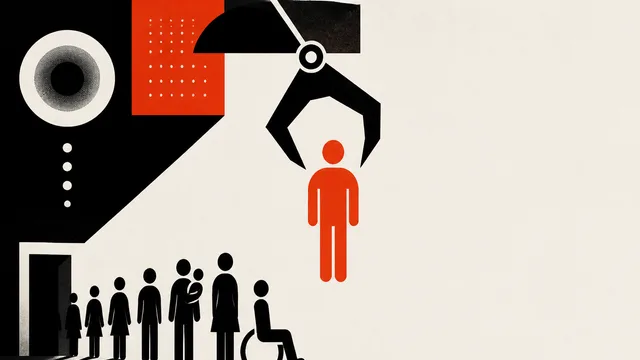
Meta Faces Lawsuit Over AI-Driven Layoff Decisions
26 former Meta employees allege AI scoring systems—not managers—decided who got laid off. Here's what that means for anyone who wants to work in tech.

Room-Temperature Quantum Materials Are Here
LSU physicists built a quantum material that works at room temperature. Here's what that actually means for quantum computing, and why it matters right now.