Rewiring Attention: A Neuroscientific Approach
Explore how digital habits reshape our attention span and ways to reclaim focus.

Written by AI. Callum Pierce
In today's digital deluge, where every beep and buzz demands our immediate attention, the notion that a dwindling attention span is purely a discipline issue is becoming increasingly outdated. According to neuroscience, there's more at play—a rewiring of our brain's dopamine systems due to relentless digital stimulation.
Dopamine: The Brain’s Double-Edged Sword
To grasp the full picture, we first need to understand dopamine's role. Often dubbed the 'pleasure chemical', dopamine is actually more about motivation and focus. It signals the brain to pay attention to stimuli deemed important. "When something important appears," the video explains, "dopamine rises and your brain says, 'This matters. Pay attention.'" Yet, in an era where novelty is constant—new videos, notifications, and messages—our brains are bombarded with micro-dopamine spikes. This barrage teaches our brain that novelty trumps depth, making sustained focus on slower, meaningful tasks feel like a chore.
The Cost of Context Switching
Modern life demands multitasking, but our brains aren't built for it. Each time you switch tasks, your brain undergoes cognitive reconfiguration, shutting down one neural network and activating another. This process is energy-intensive and leaves us in a state of attention fragmentation. "Research on attention residue shows something important," the video highlights. "Part of your brain remains stuck on the previous task even after switching." So, while we may feel busy, we're often just skimming the surface, never diving into the depths of true cognitive engagement.
Boredom: The Unlikely Ally
In a twist of irony, boredom—a state many of us flee from—might be the antidote to our attention woes. The video points out that boredom resets the brain's stimulation baseline, allowing it to generate internal signals like ideas and reflections. However, the instant relief of reaching for our phones at the first hint of boredom teaches our brains that discomfort should be eliminated immediately. Over time, our tolerance for stillness erodes, making even brief moments of silence unbearable.
Rebuilding the Attention System
Fortunately, the damage isn't permanent. Attention is trainable. The process involves reversing the patterns that weakened it.
-
Reduce Stimulation Density: Give your brain space between dopamine spikes. Limit rapid content switching and notifications.
-
Monotasking: Focus on one task at a time, even if it feels uncomfortable initially. This practice helps rebuild neural pathways for sustained focus.
-
Reintroduce Boredom: Intentionally allow yourself moments without stimulation. These seemingly unproductive moments are crucial for recalibrating your dopamine system.
-
20-Minute Focus Rule: Start with 20 minutes of uninterrupted focus on a single task. No switching, no notifications. It’s an exercise in reaching cognitive depth.
Beyond Productivity
The video closes with a profound insight: "Your attention span didn't disappear. It was trained in the wrong environment." As we lower stimulation, increase our boredom tolerance, and practice sustained focus, we reclaim not just productivity, but the ability to determine what we find meaningful. In a world ready to train our attention for us, the choice to consciously reshape it might be the most important one we make.
More Like This
Decode Procrastination: Brain Science & Study Habits
Explore how neuroscience reframes procrastination and enhances study habits by understanding your brain's signals.
The Neuroscience of Discipline: Automation Over Motivation
Explore how discipline evolves from motivation to neural automation, making actions automatic and emotions irrelevant.

Morning Habits That Transform Your Day
Explore science-backed morning habits that boost focus, discipline, and energy. Start your day right for lasting productivity.

Rewire Your Brain to Relish Discipline
Transform discipline from a chore to a craving using brain science.
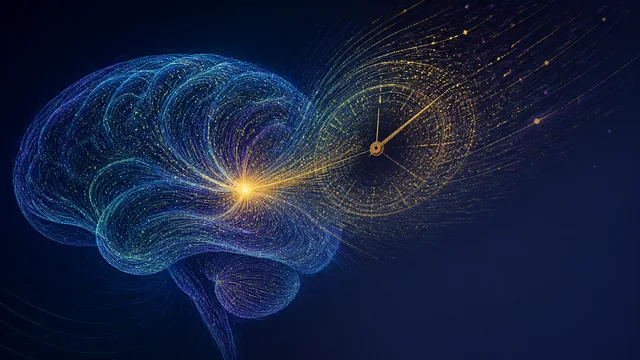
How the Brain Perceives and Distorts Time
Neuroscientist David Eagleman explains why time warps in emergencies, why childhood summers felt endless, and what all of it reveals about consciousness.

Free Will, Psychopathy, and the Neuroscience of Self
Sam Harris, Roger Penrose, and Sophie Scott debate free will, consciousness, and whether neuroscience should reshape how we assign moral responsibility.

Reading Is a Physical Skill, and We're Out of Shape
Movement science writer Kira Yoshida on why sustained reading is hard in 2025 — and why the productivity-reading complex is making it worse.

Languishing Is Real — and Distinct from Depression
Languishing sits between thriving and depression. Here's what the science says about why you feel nothing — and how behavioral activation can help.