Rewire Your Brain to Relish Discipline
Transform discipline from a chore to a craving using brain science.

Written by AI. Callum Pierce
Discipline often comes with the baggage of punishment, a word that conjures images of early alarms and missed pleasures. But what if the very nature of discipline could be transmuted, not into mere tolerance, but into genuine delight? The YouTube channel 'Simple, Actually' proposes that through the lens of neuroscience, discipline can become not just bearable, but something you actively crave.
The Dopamine Dichotomy
At the heart of discipline's difficulty is the brain's primal priority: conserve energy and chase dopamine. The problem with discipline, as the video explains, is that it demands effort with the promise of delayed reward. Our brains, wired for immediate gratification, interpret this delay as a threat. The result? Resistance, procrastination, and a sudden urge to rearrange your sock drawer at 2 a.m.
But discipline isn’t the villain—uncertainty of reward is. "Your brain doesn’t hate discipline," the video notes. "Your brain hates the uncertainty of reward." This sets the stage for a radical pivot: if you can make discipline rewarding right now, your brain might just start to love it.
Immediate Rewards: The Cheat Code
To rewire your brain, the video suggests attaching immediate rewards to disciplined actions. This isn't about grand gestures but small indulgences: a fancy coffee post-study or a favorite song to start your morning routine. This taps into dopamine association conditioning—essentially, tricking your brain into linking discipline with pleasure. Over time, "your brain goes, 'Oh, we like this.'"
Start Small, Stay Steady
Another misstep is setting Herculean goals that activate the brain's "self-destruct mode." Instead, the video advocates for what it delightfully terms "stupidly small" steps. Opt for five-minute tasks or a single page of reading. This method utilizes behavioral momentum, a concept not just rooted in logic but in science. Once you start, your brain prefers continuity over stopping.
Identity Over Willpower
The video makes a compelling case for shifting from willpower to identity. Where willpower insists "I should," identity affirms "I am." By envisioning yourself as someone who naturally keeps promises, you align your actions with a deeply personal identity, bolstering consistency. "You’re not forcing discipline anymore," the video observes. "You’re being yourself."
Gamifying the Grind
Boredom, not laziness, is the enemy of discipline. The solution? Turn discipline into a game. Create streaks, points, or levels to entice your brain's love for victory. This method mirrors the dopamine reward loop found in games and apps, making productivity feel like play.
Automate to Alleviate
Decision fatigue is another drain on discipline. The video advocates for automation—same study time, same workout routine. This reduces cognitive load, allowing your willpower reserves to remain intact. "Discipline isn’t strength," it suggests, "it’s fewer choices."
The Moment of Revelation
Eventually, through these rewiring techniques, a curious shift occurs. You wake up, engage in your tasks, and suddenly, it feels good. Discipline morphs from a dreaded duty into a source of power. "You’re no longer chasing motivation," the video concludes. "Motivation is chasing you."
In a world obsessed with quick fixes, the video offers a refreshing take: discipline isn't about suffering; it's about training your brain to relish progress. Once this is achieved, consistency becomes automatic, and success, perhaps, a little mundane.
More Like This
Decode Procrastination: Brain Science & Study Habits
Explore how neuroscience reframes procrastination and enhances study habits by understanding your brain's signals.

Why Confident People Don't Overexplain
Exploring why confidence leads to less overexplaining and what we can learn from it.
Unlocking Motivation: The Seven Levels Explained
Discover the seven levels of motivation and learn how to climb from survival to freedom for a more fulfilling life.
The Neuroscience of Discipline: Automation Over Motivation
Explore how discipline evolves from motivation to neural automation, making actions automatic and emotions irrelevant.
7 Tiny Habits to Transform Your Life by 2026
Discover 7 small habits that can spark major personal growth and peace by 2026. Simple steps, significant change.
Rewiring Attention: A Neuroscientific Approach
Explore how digital habits reshape our attention span and ways to reclaim focus.
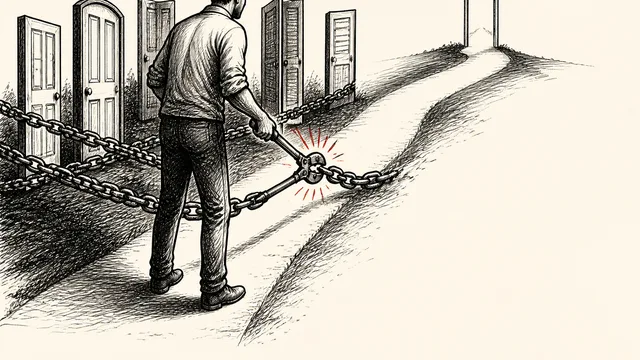
Discipline Is About Removing Options, Not Building Willpower
Mark Manson argues discipline has nothing to do with willpower—it's about eliminating choices. Here's what the research says, and what the theory leaves out.

Alex Hormozi on Hard Work, Courage, and Wasted Potential
Alex Hormozi tells Chris Williamson why doing hard things physically doesn't build emotional resilience—and what kind of hard actually changes your life.