ChatGPT Ads Are Here—and the Playbook Looks Familiar
OpenAI is testing ads in ChatGPT. The current version looks fine. But if you've seen how Google and Facebook evolved, you know where this could go.

Written by AI. Yuki Okonkwo
OpenAI officially started testing ads in ChatGPT this week. If you're on a free or basic plan, you might see sponsored content at the bottom of your responses—clearly labeled, sitting outside the actual answer, not influencing what the AI tells you.
Right now, it's... fine? Target, Adobe, HelloFresh, and other brands are already signed up. The ads appear in a gray box marked "Sponsored" after ChatGPT finishes its response. OpenAI promises they won't touch your chat data without permission and won't mess with the answers you get.
But here's the thing that's got people (including me) a little twitchy: we've seen this movie before.
The CEO Who Hates Ads Just Added Ads
Sam Altman, OpenAI's CEO, has gone on record multiple times saying he basically can't stand advertising as a business model. In past interviews, he's said things like "I kind of hate ads just as like an aesthetic choice" and called them "a last resort" for monetization.
His reasoning was pretty compelling. When you pay for ChatGPT, you know you're not the product. The AI isn't trying to steer you toward sponsors. That clarity felt... refreshing?
So when Anthropic (the company behind Claude) ran Super Bowl ads showing their AI awkwardly injecting product placements mid-response—"confidence isn't just built in the gym, try Tricep Boost Max insoles!"—Altman pushed back hard on Twitter. "We would obviously never run ads in the way Anthropic depicts them," he wrote. "We're not stupid. We know our users would reject that."
And to be fair, he's right. The current ChatGPT ad implementation is nothing like that dystopian parody. It's respectful. Transparent. Opt-out-able.
The question is whether it stays that way.
Why Anthropic Said No
Anthropic wrote a whole blog post explaining why they're steering clear of ads entirely, even the "good" kind that sit outside responses. Their argument is basically about incentive alignment.
"Even ads that don't directly influence an AI model's responses would compromise what we want Claude to be, a clear space to think and work," they wrote. "Such ads would also introduce an incentive to optimize for engagement."
The logic: once advertising becomes a revenue stream, companies optimize for ad clicks. That means longer sessions, more queries, more opportunities to serve ads. Which means the product slowly reshapes itself around engagement metrics instead of pure helpfulness.
Anthropic even acknowledged they might change their minds eventually ("should we need to revisit that approach, we'll be transparent"), but they're betting they can avoid it.
The Google Search Playbook
There's a LinkedIn breakdown floating around that tracks how Google Search ads evolved from 2000 to now. It's kind of brutal.
Phase one (2000-2010): Ads had bright yellow backgrounds. The word "Sponsored Links" was unmissable. Zero ambiguity.
Phase two (2011-2017): Yellow backgrounds became little yellow "Ad" boxes. Still pretty clear, but less in-your-face.
Phase three (2018-2024): The yellow disappeared. Just a small "Ad" label in gray text. The ads started looking almost identical to organic results.
Phase four (2025-present): Now there's just a "Sponsored Results" header at the top. The individual listings? They look exactly like regular search results. You have to actively remember which section you're in.
The pattern is clear: people ignore things that look like ads, so Google made ads look less like ads. And it worked. Click-through rates went up. Revenue went up. User experience... well, that's debatable.
The Slippery Part
Matt Wolfe (the YouTuber covering all this) spent time trying to trigger ChatGPT ads on his free account. He asked about cheap flights, CRM software, PDF editors (Adobe's a sponsor!), meal prep (HelloFresh is in!). Nothing. No ads appeared.
Meaning: this rollout is either super limited or super targeted. We're seeing the most cautious version possible.
But what happens when OpenAI goes public? When there are shareholders to answer to? When quarterly earnings calls demand growth?
Zoe Hitig, a former OpenAI researcher, wrote in the New York Times this week: "I believe the first iteration of ads will probably follow those principles, but I'm worried subsequent iterations won't because the company is building an economic engine that creates strong incentives to override its own rules."
She pointed to Facebook's history—promises about user control and data privacy that gradually eroded as the ad model demanded more engagement, more data, more optimization.
"People tell chatbots about their medical fears, their relationship problems, their beliefs about God and the afterlife," Hitig wrote. "Advertising built on that archive creates a potential for manipulating users in ways we don't have the tools to understand."
The Access Argument
Okay, but here's the other side: AI is expensive as hell to run. Like, genuinely expensive. If ads mean more people get access to frontier models without paying $20+ per month, that's... not nothing?
Altman's defense of the ad model centered on democratization. "We believe everyone deserves to use AI," he said, noting that more Texans use ChatGPT for free than total people use Claude in the US (a weird flex, but okay).
That's a real tension. Subscription-only models create clear haves and have-nots. Ad-supported models could legitimately expand access. The question is what gets traded away in the process.
What's Actually Happening
Right now? The ChatGPT ad experience looks fine. Respectful, even. But the infrastructure is being built for something more.
OpenAI has set up the pipes for ad delivery, ad targeting, ad analytics. They've onboarded major brands. They've established precedent. Whether that infrastructure stays constrained or expands is a business decision that will get made under different pressures down the line.
We're not at the dystopia yet. We're at the bright-yellow-background phase. The question is whether OpenAI can resist the same incentives that shaped every other ad-supported platform on the internet, or whether we're just watching the early chapters of a story we already know the ending to.
More Like This
Five AI Models Dropped This Week—Here's What Changed
Anthropic's Claude Sonnet 4.6, Google's Gemini 3.1 Pro, and xAI's Grok 4.2 all launched this week. What do these updates actually mean for users?
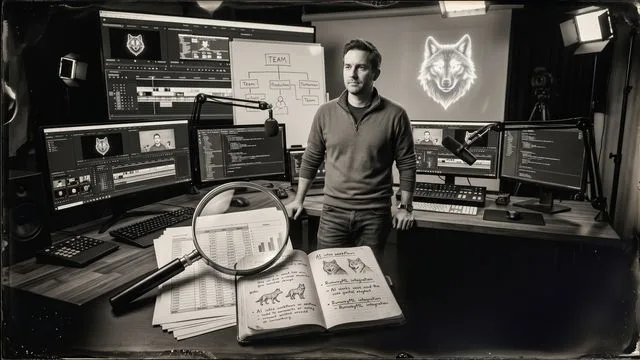
Inside Matt Wolfe's AI Creator Operation
Matt Wolfe breaks down the real costs, team structure, and AI workflows behind one of YouTube's biggest AI channels. The numbers are surprising.
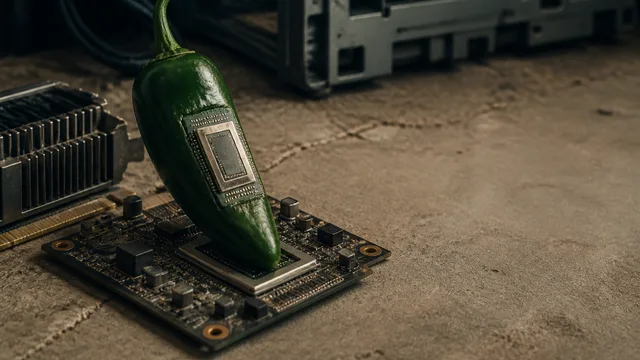
OpenAI's Jalapeño Chip Beats Nvidia on Efficiency
OpenAI's Jalapeño chip posted real benchmark numbers against Nvidia's GB200 and GB300. Here's what the data actually shows—and what it doesn't.
OpenAI Researcher Quits Over Ads: A Pattern Emerges
Zoe Hitzig's resignation from OpenAI reveals deeper tensions about AI monetization, user trust, and the company's evolving priorities.
OpenAI's Ad Strategy: Architecture of Trust or Just Talk?
OpenAI details its approach to ads in ChatGPT with technical separation between model and ads, data controls, and sensitivity filters. Will the principles hold?
AI Productivity Tools Are Making Workers Exhausted, Not Efficient
Research shows AI tools intensify workloads rather than reduce them, leading to cognitive exhaustion researchers are calling 'AI brain fry.'

How Optimization Powers Modern AI and Engineering
From training ChatGPT to imaging black holes, optimization is the hidden engine behind modern AI and engineering. Steve Brunton's lecture explains how.

David Patterson on CPUs, GPUs, TPUs, and 50 Years in Computing
Turing Award winner David Patterson breaks down RISC vs. CISC, the GPU-to-TPU shift, Moore's Law's real status, and what 50 years in computing actually taught him.